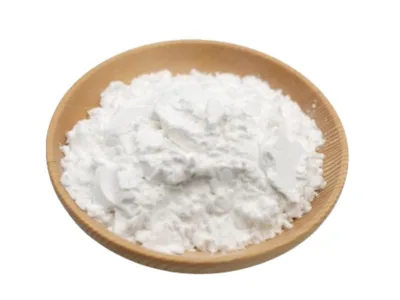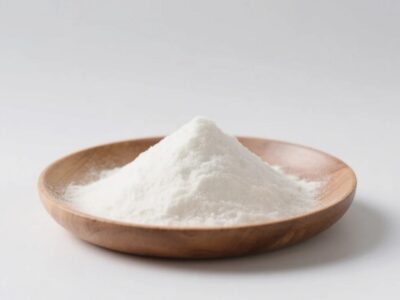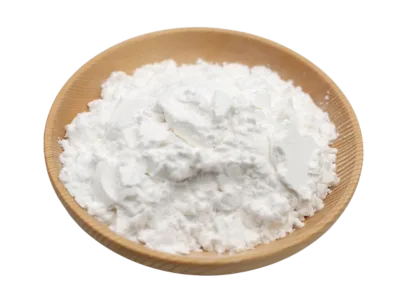
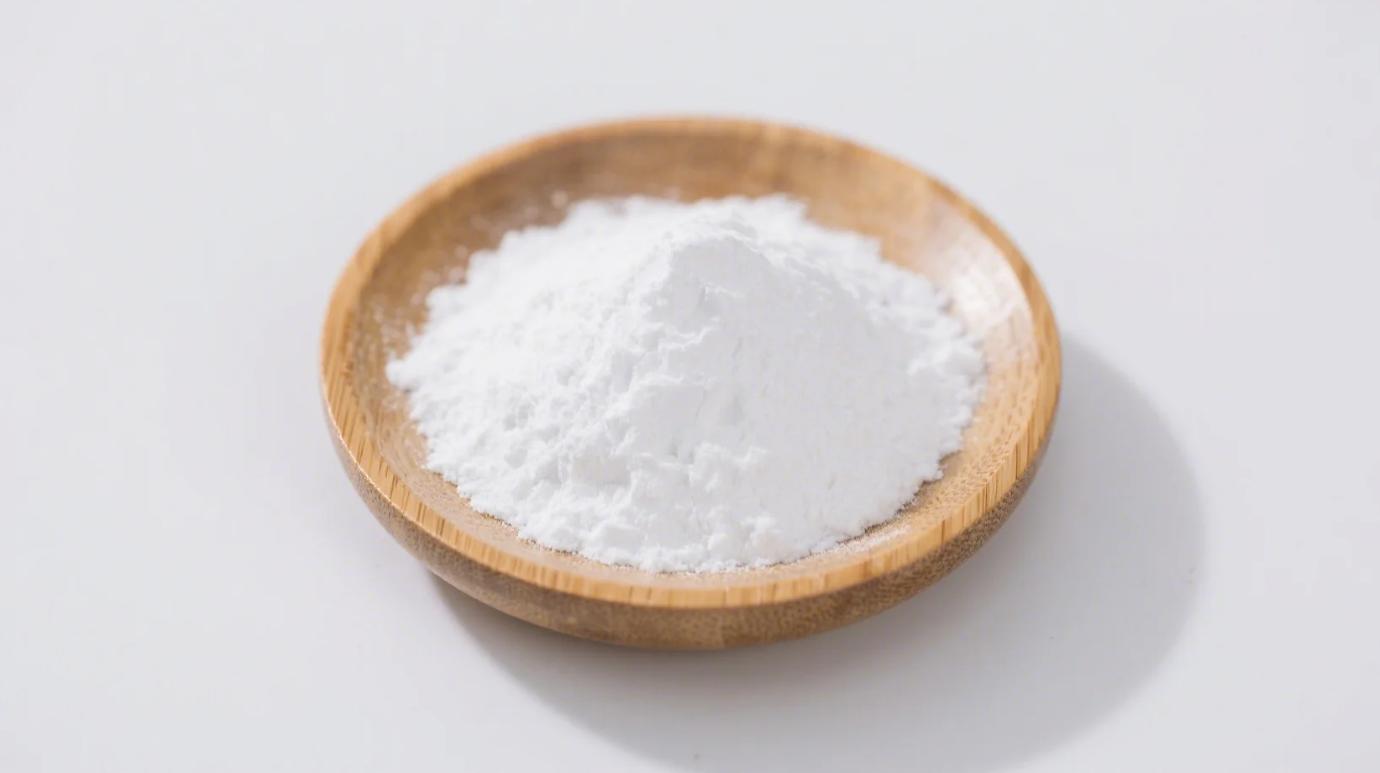
We offer two high-performance, certified organic corn-based starches: Organic Regular Cornstarch and Organic Waxy Cornstarch—both derived from non-GMO, organically grown corn under strict sustainable farming practices. These native starches serve as versatile thickeners, stabilizers, and texturizers in food, beverage, and personal care applications, meeting the demands of clean-label, gluten-free, and allergen-sensitive formulations.
While both are odorless, white powders with neutral flavor, they differ significantly in amylose/amylopectin composition—leading to distinct functional properties suited for different processing needs.
Product Overview
Organic Regular Cornstarch
Extracted from standard dent corn, this starch contains approximately 25% amylose and 75% amylopectin. It forms firm, opaque gels upon cooling and delivers strong thickening power at moderate temperatures. Ideal for sauces, gravies, and baked goods where structure and viscosity are key.
Organic Waxy Cornstarch
Sourced from waxy maize (a natural mutant variety), this starch is composed of >95% amylopectin and virtually no amylose. It produces clear, cohesive, and freeze-thaw stable pastes with excellent resistance to syneresis. Preferred for frozen foods, dairy alternatives, and products requiring long shelf life and smooth texture.
Also Known As: Names and Synonyms in the Trade
Cornstarch is written differently depending on the market and the document. European labelling, pharmacopoeial texts and Codex-facing paperwork call the grain maize; the cosmetic and pharmaceutical trades use the botanical or the Latin form; and British usage has a retail name of its own. The list below covers the ones that turn up in specifications, certificates and customs files.
- Maize starch – the name used in European labelling and in pharmacopoeial and Codex-facing documents, where the grain is called maize rather than corn
- Maydis amylum – the Latin monograph title for starch from maize, used where an excipient specification is written against the pharmacopoeial name
- Zea Mays Starch – the botanical form used on cosmetic ingredient declarations (INCI), where the genus and species replace the common name
- Cornflour – the British and Commonwealth retail name for this starch – note that the United States corn flour is the whole ground grain, a different ingredient
- Starch, corn (CAS 9005-25-8) – the registry entry quoted on certificates of analysis; the CAS number covers starch generally, so it does not identify the botanical source on its own
Two names in this family look alike and are not interchangeable: cornflour means this starch in British and Commonwealth usage, while the United States corn flour is the whole ground grain, with the protein, the fat and the fibre still in it. The regular and the waxy cuts are the same material under two grade names, so the choice between them is a formulation question rather than a naming one. Modified starches are named separately again, since they carry their own additive designations, so the label, the specification and the certificate have to use the same name for the same material.
Technical Specifications
| Parameter | Organic Regular Cornstarch | Organic Waxy Cornstarch |
|---|---|---|
| Source | Organic dent corn | Organic waxy maize |
| Appearance | Fine, white to off-white powder | Fine, white to off-white powder |
| Odor & Taste | Odorless, bland | Odorless, bland |
| Starch Content (Dry Basis) | ≥85% | ≥85% |
| Moisture Content | ≤14% | ≤14% |
| pH (10% slurry) | 5.0 – 7.0 | 5.0 – 7.0 |
| Ash Content | ≤0.4% | ≤0.4% |
| Protein (N × 6.25) | ≤0.3% | ≤0.3% |
| Fat Content | ≤0.1% | ≤0.1% |
| Amylose Content | ~25% | <5% |
| Paste Clarity | Opaque | Clear to translucent |
| Freeze-Thaw Stability | Poor (syneresis likely) | Excellent (minimal syneresis) |
| Gel Strength | Firm gel on cooling | Soft, cohesive paste |
| Shelf Life | 24 months (stored sealed, cool, dry) | 24 months (stored sealed, cool, dry) |
| Heavy Metals (Maximum Limits) | ||
| – Lead (Pb) | ≤0.1 mg/kg | ≤0.1 mg/kg |
| – Arsenic (As) | ≤0.1 mg/kg | ≤0.1 mg/kg |
| – Cadmium (Cd) | ≤0.05 mg/kg | ≤0.05 mg/kg |
| – Mercury (Hg) | ≤0.01 mg/kg | ≤0.01 mg/kg |
| Microbiological Criteria | ||
| – Total Plate Count | ≤5,000 CFU/g | ≤5,000 CFU/g |
| – Yeast & Mold | ≤100 CFU/g | ≤100 CFU/g |
| – Escherichia coli | Absent in 10 g | Absent in 10 g |
| – Salmonella spp. | Absent in 25 g | Absent in 25 g |
| – Listeria monocytogenes | Absent in 25 g | Absent in 25 g |
| Certifications | USDA Organic, EU Organic, Non-GMO Project Verified, Kosher, Halal (available), Gluten-Free Certified (<5 ppm), Allergen-Free (processed in dedicated facility) | Same as regular cornstarch |
All testing performed in ISO 17025-accredited laboratories using AOAC, ISO, and AACC standard methods. Complies with FDA 21 CFR, EU Regulation (EC) No 1333/2008.
Sourcing, Certification and Regulatory Status
| Jurisdiction / Standard | Regulatory status | Legal name | Notes |
|---|---|---|---|
| European Union | Food ingredient, certified organic; not regulated as a food additive | Maize starch | Labelling follows Regulation (EU) No 1169/2011 and the ingredient may be declared as maize starch or as starch; maize is not a cereal containing gluten, so no cereal source has to be named, and a gluten-free claim is governed by Regulation (EU) No 828/2014. Organic certification runs under Regulation (EU) 2018/848. Native starch is a food ingredient rather than a food additive, so the additive regulation (EC) No 1333/2008 does not apply to it; the modified grades are the ones that carry E numbers. |
| United States | Certified organic; conventional food ingredient | Cornstarch | Organic status is certified under the USDA organic regulations (7 CFR part 205). FDA’s rule for modified food starch (21 CFR 172.892) does not specify any particular botanical source of food starch. A gluten-free claim has to meet 21 CFR 101.91 (below 20 ppm). |
| Japan | Food ingredient; organic certification available | Cornstarch | Native starch sits on the ingredient list under the starch class name; the chemically modified starches are the designated food additives and may be labelled with the simplified name 加工デンプン. Organic product for Japan is certified to the Japanese Agricultural Standards (JAS). |
| Codex Alimentarius | Food ingredient; no commodity standard covers maize starch as such | Maize starch | CXS 192-1995, the General Standard for Food Additives, carries the provisions for modified starches as thickeners and stabilisers (INS 14xx) rather than for the native material; contaminants fall under CXS 193-1995. The maize texts – CXS 153-1985 for maize (corn) and CXS 155-1985 for degermed maize meal and grits – cover the grain and the meal rather than the extracted starch. |
Compliance for cornstarch turns on the amylose content, the moisture and the microbiological limits rather than on the naming convention, so those are the figures to line up when comparing offers. Where the raw material is grown for starch, the European contaminant rules in Regulation (EU) 2023/915 reach the maize before the starch does: the general unprocessed-maize mycotoxin entries are subject to a carve-out for grain destined for wet milling, with separate limits for milling products of maize. Confirm the legal name, the organic status and the permitted use with the destination market before the first shipment.
Applications by Type
Organic Regular Cornstarch
- Sauces, gravies, and pie fillings (provides strong thickening)
- Baking powders and dry mixes
- Tempura batters and coatings
- Puddings and custards (requires cooking to activate)
Organic Waxy Cornstarch
- Frozen meals and ready-to-eat dishes (excellent freeze-thaw stability)
- Dairy and plant-based yogurts, creams, and ice cream
- Clear soups and glossy fruit fillings
- Processed meats and vegetarian analogues (moisture retention)
Format and Grade Selection
Two questions are settled before a specification is agreed: whether the gel has to be clear, and whether the finished product is frozen. Both follow from the application rather than from the label.
- Organic regular cornstarch – around 25% amylose; it forms a firm, opaque gel on cooling and is the cut for sauces, gravies, pie fillings and tempura batters
- Organic waxy cornstarch – above 95% amylopectin, giving a clear to translucent paste, which is what clear soups, glossy fruit fillings and dairy alternatives are built on
- Freeze-thaw behaviour – the regular cut is prone to syneresis on freezing while the waxy cut resists it, so chilled or frozen distribution settles the choice before any other consideration
- Paste clarity – where the filling is seen through the pack, waxy is the only one of the two cuts that keeps it transparent
- Gel strength – the regular cut is the one to reach for when a firm set is wanted; the waxy cut gives a soft, cohesive paste instead
- Microbiological figures – total plate count ≤5,000 CFU/g and E. coli absent in 10 g are the tighter lines in the specification above, so the batch certificate has to be read against those rather than against a generic starch figure
Handling Note: The two cuts are not interchangeable at the same dosage. Swapping regular for waxy changes both the viscosity on the line and the structure of the finished gel, so a switch has to be re-tested in the product rather than converted by ratio.
Each cut is declared per batch, and the organic certificate and the non-GMO documentation follow the batch that shipped. Tell us the application, whether the product is frozen, and the clarity the pack demands, and we will quote the cut that fits.
Why Choose Our Organic Cornstarch?
Our cornstarches are produced from certified organic corn grown without synthetic pesticides or fertilizers. Processing occurs in GMP-compliant, allergen-controlled facilities using only physical separation methods—no chemical modification or solvents.
Each batch is fully traceable and accompanied by documentation including Certificate of Analysis (CoA), Organic Certificate, Gluten-Free Statement, and SDS—ensuring seamless integration into your quality and regulatory systems.
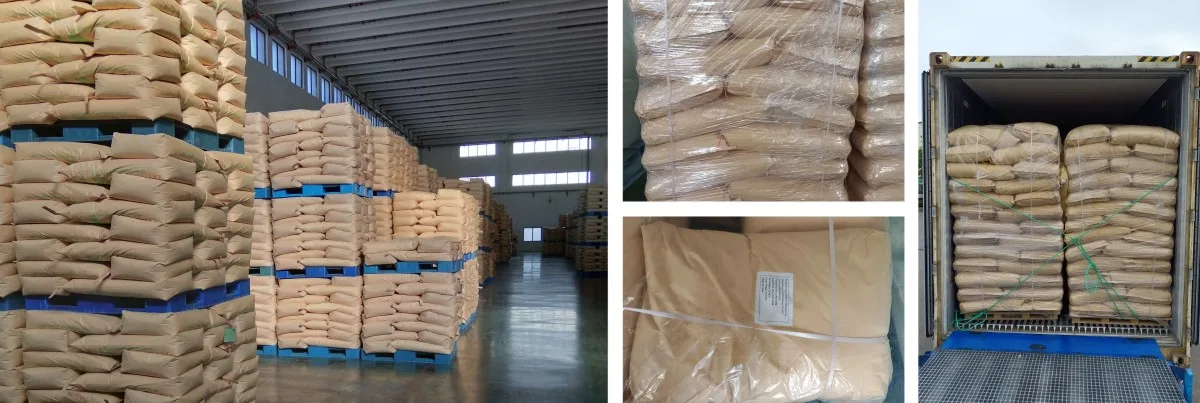
Available packaging: 25 kg multi-wall paper bags with food-grade PE liner; bulk tote options (500–1,000 kg) available for industrial customers.
FAQs
Q: Can waxy starch replace tapioca starch?
A: Yes – superior clarity and freeze-thaw performance in plant-based cheeses/sauces.
Q: MOQ for samples?
A: 1kg samples available for both types. Bulk MOQ: 500kg (regular), 200kg (waxy).
Q: Pre-gelatinized options?
A: Yes – cold-water-soluble versions available for instant applications.
Packing