
When it comes to cooking and baking, a few high-quality staples can make all the difference. Among them, organic cornstarch powder stands out as a versatile and indispensable ingredient. From creating smooth sauces to improving baked goods, its benefits are appreciated by both home cooks and professional chefs.
Reading the Packet Before You Buy
A pantry staple is bought once and used many times, so the decision on the shelf matters more than the decision at the stove. Most of the information a buyer needs is printed on the pack, and reading it takes a minute. The points below are the ones that change how the powder behaves later, from how it disperses in a pan to how long it keeps without going lumpy in the jar.
| What to check on the pack | What good looks like | Why it matters in a home kitchen |
|---|---|---|
| The ingredient line | A single starch line with no added sugar, salt, or anti-caking agent | An unblended starch disperses predictably and lets you set the amount yourself, rather than arriving in a mix that behaves differently every time |
| Organic status and the certifier | A stated organic designation with a named certifying body rather than a general natural-claim word | It tells you how the crop was grown and what documentation travels with the goods, which matters if you are buying for a child with a dietary restriction |
| Whether the powder is ground fine | A fine, free-flowing powder without visible grain | Finer particles suspend more evenly and disappear into a sauce instead of leaving a gritty trail or settling in a layer |
| Net weight against how often you cook | A weight you will realistically use before the powder ages, and a size that fits your cupboard | A large bag bought for occasional use spends months in storage, and a package too big for the shelf often gets left open on the counter |
| Package format | A resealable closure, or a format sized for the number of uses you plan | Starch absorbs moisture from the air, and a closure that does not seal is the fastest way to turn a dry powder into a clumpy one |
| Storage wording and a best-before | Clear instructions for storage and a date you can actually plan around | Printed guidance tells you what the manufacturer expects, and a date gives the purchase a place in the pantry order instead of letting it drift |
Format follows frequency of use, and nothing else. A household that thickens a sauce once or twice a month is better served by a smaller resealable pack that gets opened and closed cleanly, while a kitchen that cooks from scratch most days has more room for a larger container kept in the dry. The trade-off is worth stating plainly: a bigger pack costs less per unit but only if it stays sealed, and any powder that has taken on moisture behaves differently in the pan regardless of how much of it you have left.
Storing Cornstarch So It Stays Usable
Starch is hygroscopic, which is a plain way of saying it draws moisture out of the air around it. That single property explains most of what goes wrong with a bag left in a warm kitchen, and it is also why storage instructions look the way they do. The comparison below covers the arrangements people end up with at home, including the one that sounds most sensible and is the worst of them.
| Storage arrangement | What it tends to cause | A more reliable approach |
|---|---|---|
| The original bag rolled down and left on the shelf | The fold stays open to the air and the powder begins to pick up moisture in the exposed area first | Clip the bag shut or decant it into a container with a tight lid |
| An open bowl or a container with a loose lid | Moisture reaches the whole surface, and lumps form where the powder has been pressed or scooped | Use a container that closes properly, and return the powder to it immediately after each use |
| The bag placed inside a larger outer bag | The outer bag protects against handling but does little if the inner closure is already open | Seal the inner pack first, then use the outer bag as a second layer in a cupboard that stays dry |
| The container kept in the refrigerator | Condensation forms as the cold container meets warmer air, and the powder picks that moisture up on the way back to the shelf | Keep the container in a cool, dry cupboard rather than the fridge, and close it before it goes back |
| The scoop left standing in the powder | Every wet spoon or damp measuring cup puts water straight into the middle of the batch | Use a dry scoop, and dry it before it goes back into the container |
| The container on a counter next to the hob or the kettle | Steam and rising heat in the kitchen shorten the life of a powder that is already open to the air | Move the container to a shelf away from the cooking area and away from any splash |
It also helps to think of the pantry slot as part of the shopping list rather than as an afterthought. Keeping the organic cornstarch that BIOSTARCH supplies, once it is open, in a container that seals properly, means the bag on the shelf and the jar in the cupboard stay in step. When the jar is running low, the replacement is already a known quantity rather than a surprise purchase of a different brand with different dispersion. For a wider look at how starches behave in and out of a pan, the everyday uses of organic starches piece covers the range of jobs a well-stored powder can take on, and the complete guide to organic starches sets out how the different starches compare side by side.
What Makes Organic Cornstarch Powder Special?
Unlike regular cornstarch, organic cornstarch powder comes from non-GMO corn grown without synthetic chemicals. This ensures a clean, safe ingredient suitable for healthy cooking, clean-label products, and allergy-conscious recipes. Its fine, neutral powder blends easily into a wide range of dishes.
Top Reasons to Keep Organic Cornstarch Powder in Your Kitchen
1. Perfect for Thickening and Stabilizing
Organic cornstarch powder is a natural thickener for soups, gravies, sauces, and custards. Its neutral taste ensures it enhances texture without altering flavor.
2. Enhances Baking Quality
Adding a small amount of organic cornstarch powder to cake flour produces lighter, fluffier cakes and pastries, improving texture and consistency in baked goods.
3. Ideal for Gluten-Free and Vegan Recipes
For those avoiding gluten or animal products, organic cornstarch powder provides structure and moisture retention, helping to achieve perfect results without compromising dietary needs.
4. Anti-Caking and Smooth Texture Benefits
In confectionery and dessert powders, organic cornstarch powder prevents clumping, absorbs moisture, and delivers a silky texture that elevates your creations.
Health and Clean-Label Benefits
Organic cornstarch powder is free from synthetic additives, making it ideal for health-conscious consumers. It is hypoallergenic, vegan-friendly, and compatible with organic and natural product lines, appealing to the growing market of consumers seeking clean-label foods.
B2B Opportunities: Organic Cornstarch Powder for Professional Kitchens
At HEMPLAND, we supply premium organic cornstarch powder in bulk quantities tailored for commercial use. Whether you are running a bakery, a food production facility, or a health-focused restaurant, our product ensures consistent quality and performance:
- Certified organic and non-GMO
- Fine, high-purity powder for smooth textures
- Bulk packaging suitable for large-scale production
- Reliable ingredient for clean-label product development
Common Mistakes to Avoid When Using Organic Cornstarch Powder
One frequent mistake is adding cornstarch directly to hot liquid, which almost guarantees lumps. Instead, mix the powder with a small amount of cold water first, then stir the smooth slurry into your simmering sauce or soup. This one step keeps the finish glossy and even.
Over-stirring after thickening can thin a sauce again, and using too much powder often leaves a heavy, pasty texture. Start with a modest amount, adjust gradually, and give the dish a moment to reach full thickness. Kitchens that use cornstarch in volume are welcome to ask BIOSTARCH about bulk supply with consistent quality.
Contact us at info@hemp-land.com to request samples or place a bulk order and bring the quality of organic cornstarch powder to your kitchen.
Q: What should I look for when buying cornstarch for a home kitchen?
A: Start with the ingredient line, which should read as a single starch with nothing blended into it. Then check that the organic designation names a certifying body, that the powder is fine and free-flowing, and that the package closes properly. Net weight is worth matching to how often you actually cook, because a large bag in a rarely opened cupboard ages faster than a small one you use up. The storage wording and the best-before printed on the pack tell you how the manufacturer expects the product to be kept.
Q: Does cornstarch need to be refrigerated after opening?
A: No, and in many kitchens the fridge makes things worse. Condensation forms on a cold container when it meets warm air, and that moisture goes straight back into the powder, which is the opposite of what you want. A tightly closed container on a cool, dry shelf away from the hob keeps the powder in better condition for longer than a refrigerated one.
Q: How do I stop cornstarch from clumping in the jar?
A: Clumping is a moisture problem, so the fix is to keep water out and existing lumps dry. Always close the container immediately after use, keep a dry scoop in the powder rather than a wet one, and hold the container away from steam and splashes. If powder has already hardened into blocks, the useful move is to spread it on a tray, let it dry out fully, and break it back down rather than trying to carry the lumps into a sauce.
Q: Should I buy cornstarch in bulk for a home kitchen?
A: Only if you use it often enough to finish it while it is still fresh. Bulk is worthwhile in a kitchen that thickens sauces, dusts surfaces or bakes most days, since the powder is stable as long as it stays dry. For a household that reaches for it a few times a month, a resealable smaller pack is the better purchase, because the risk is not the price per unit but the container sitting open for months and taking on moisture.
Recommended Products
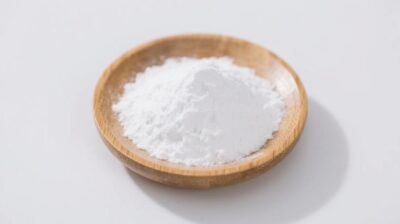
Organic Cornstarch Powder
Organic cornstarch is a certified-organic native starch from non-GMO corn. A versatile thickener and…
Related Posts


