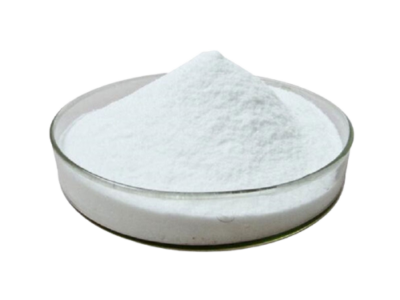
What is thaumatin powder?
Thaumatin is an intensely sweet protein isolated from the fruit aril of Thaumatococcus daniellii (katemfe fruit). It is 2000-3000 times sweeter than sucrose (depending on concentration and application). Although it is very sweet, its sweetness is completely different from that of sugar, and its sweetness acts very slowly. The sweetness lasts for a long time, leaving a licorice-like aftertaste. Thaumatin is soluble in water and relatively stable under acidic conditions and moderate temperatures; it may lose sweetness at high heat or extreme pH.
Also Known As: Names and Synonyms in the Trade
Thaumatin is traded under a small set of names, and the name a document uses usually signals which kind of document it is: the chemical entry on a certificate of analysis, the additive number on a European or Codex specification, or the botanical source the protein was extracted from. The list below covers the forms that come up most often in enquiries and in import paperwork.
- Thaumatin I and Thaumatin II – the two proteins that make up the material, and the way the substance is defined in the JECFA monograph and in the EU specification for E 957
- Katemfe fruit extract – the source-based name used on specifications and origin documents, taken from the fruit whose arils are extracted
- Thaumatococcus daniellii aril extract – the full botanical form of the definition, written as an aqueous extraction of the arils of Thaumatococcus daniellii (Benth)
- E 957 – the European additive number, used on EU labels and in Annex II to Regulation (EC) No 1333/2008
- INS 957 – the Codex and JECFA number, quoted on specifications and in the General Standard for Food Additives
- Thaumatin (CAS 53850-34-3) – the registry name and number quoted on certificates of analysis and in customs entries
Two names that appear in the same conversations are not interchangeable with thaumatin: monellin and miraculin are taste-active proteins from different plants, and a thaumatin-like protein is a separate family of plant proteins altogether. Ask for the protein assay and the botanical source before treating one supplier’s material as equivalent to another’s.
Specification
| Product Name | Thaumatin Powder |
|---|---|
| Latin Name | Thaumatococcus daniellii |
| Active Compound | thaumatin |
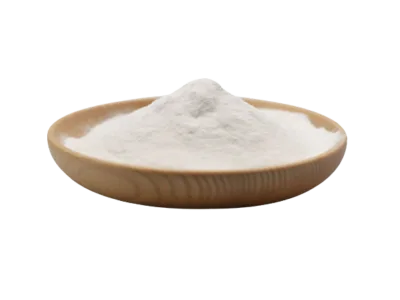
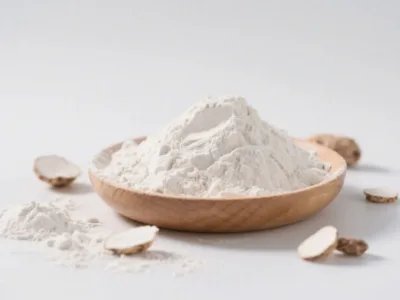
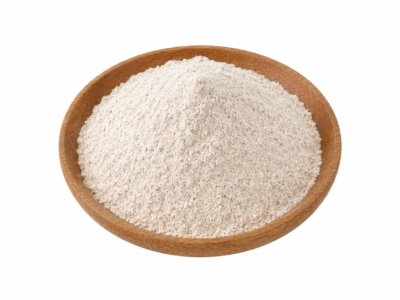
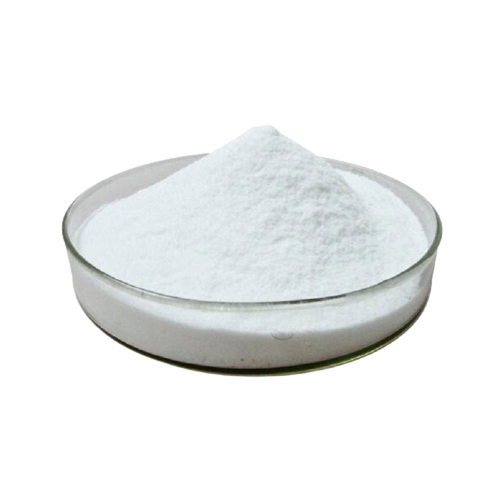
| Appearance | white powder |
| Specification | 98% |
| Source | katemfe fruit |
| Storage | Keep in a cool, dry, dark location in a tightly sealed container or cylinder. |
| Shelf Life | 24 Months |
Sourcing, Certification and Regulatory Status
| Jurisdiction / Standard | Regulatory status | Legal name | Notes |
|---|---|---|---|
| European Union | Permitted as a sweetener and as a flavour enhancer in specified food categories | Thaumatin (E 957) | Authorised in Annex II to Regulation (EC) No 1333/2008, with purity criteria in Commission Regulation (EU) No 231/2012. Uses as a flavour enhancer were extended to sauces and to potato-, cereal-, flour- or starch-based snacks by Commission Regulation (EU) 2018/677. EFSA re-evaluated E 957 in 2021 and concluded that no numerical ADI is needed. |
| United States | Recognised as a flavouring substance; the sweetener route runs through GRAS notices rather than a food additive regulation | Thaumatin | Listed by FDA with the technical effect flavouring agent or adjuvant and with FEMA No. 3732, which covers the extracted material. Sweetener uses have been the subject of separate GRAS notices, for example GRN 738. Confirm which basis of use applies, because the two routes are not the same. |
| Japan | Listed as an existing food additive | Thaumatin | Recorded in the List of Existing Food Additives maintained by the Ministry of Health, Labour and Welfare (Ministry of Health and Welfare Notice No. 120 of 1996). The permitted use categories and the labelling have to be confirmed against the destination product. |
| Codex Alimentarius | Food additive, INS 957 | Thaumatin | JECFA specifications were prepared at the 53rd meeting (1999) and published in FNP 52 Add 7. The ADI has been not specified since 1985, and was revised in 2025 to a group ADI not specified that also covers thaumatin II produced by recombinant methods. Provisions for INS 957 appear in the General Standard for Food Additives (CXS 192-1995). |
Because thaumatin is a protein rather than a carbohydrate, the figures that decide acceptance are the protein assay on a dry basis, expressed as nitrogen with the factor N x 6.2, together with the loss on drying, the aluminium and lead limits and the microbiological criteria. Confirm the legal name and the permitted use in the destination market before the first shipment.
Functions of Thaumatin
Thaumatin is a low-calorie (almost no-calorie) protein sweetener and flavor modifier. This substance is usually used mainly for its flavor modification properties, rather than specifically as a sweetener.
Application of Thaumatin
1. Thaumatin can be used as a raw material to be added to wine, juice, bread, cakes, biscuits, candies, and other foods;
2. Thaumatin can be used as a food additive to improve the color, aroma, and taste of food, and to enhance sweetness and flavor.
Quality and Certification
Every lot of BIOSTARCH thaumatin powder is produced under an ISO 22000 food safety management system and is verified against organic, non-GMO, kosher, and halal requirements. Because thaumatin is a protein sweetener, each batch is tested for protein assay by HPLC, along with moisture, heavy metals, and microbiological limits. Documentation supplied with every shipment includes a Certificate of Analysis, an organic certificate covering the katemfe fruit origin, an allergen statement, and a Safety Data Sheet.
Formulation Guidance
Thaumatin is most often used below 10 ppm, where it functions as a flavor modifier rather than a bulk sweetener. At these low levels it lengthens fruit and dairy notes, softens the metallic finish of high-intensity sweeteners, and masks the bitterness associated with plant proteins, minerals, and caffeine. It performs well in acidic beverages, remains stable through pasteurisation, and is frequently paired with stevia or monk fruit so the blend reaches a rounded sweetness profile without added calories.
Format and Grade Selection
Two questions settle the specification before price is discussed: what the material has to do in the formulation, and how it will be weighed and dosed on the line.
- Flavour modifier grade – the usual choice, dosed below 10 ppm to lengthen fruit and dairy notes, soften the metallic finish of high-intensity sweeteners and mask the bitterness of plant proteins, minerals and caffeine
- Sweetness enhancement grade – the same protein used at the top of its range, where it is expected to round out a blend with stevia or monk fruit rather than to carry the sweetness on its own
- Assay basis – the identity figure is the protein content on a dry basis, expressed as nitrogen with the factor N x 6.2; a specification written as not less than 15.1% nitrogen is equivalent to not less than 93% protein
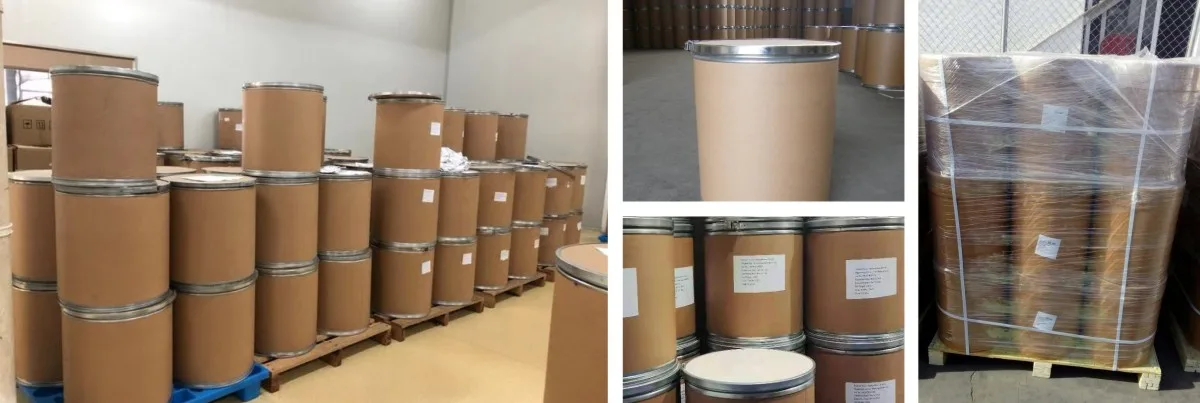
- Scale of pack – 1 kg aluminium foil bags for pilot work and 25 kg fibre drums for production, both with double food-grade polyethylene liners
- Storage and shelf life – kept sealed below 25 degrees Celsius, away from direct sunlight and moisture, within specification for 24 months
Handling Note: Because the working dose is measured in parts per million, thaumatin is normally pre-blended with a carrier or with another sweetener so that it can be weighed accurately at production scale.
Tell us the application, the process temperature and the pH of the finished product when requesting a sample, and we will quote the grade and the pack size that fit it. Where the material is going into a certified product, send the certification scope as well so the documentation matches the claim.
Packaging and Supply
Thaumatin powder is supplied in 1 kg aluminium foil bags for pilot work and 25 kg fibre drums for production volumes, both with double food-grade polyethylene liners. Material should be stored sealed below 25 degrees Celsius, away from direct sunlight and moisture, and remains within specification for 24 months. BIOSTARCH holds buffer stock for standard grades and can arrange sample shipment, third-party laboratory verification, and customs documentation for regulated markets.
Packing
FAQs
Q: How is the protein content of thaumatin powder verified?
A: Every batch is assayed for protein by HPLC against the 98% specification, and the Certificate of Analysis reports the moisture, heavy metal and microbiological results on the same document.
Q: Can thaumatin be used as a bulk sweetener?
A: It is normally used as a flavour modifier rather than as a bulk sweetener. Thaumatin is a low-calorie protein sweetener, and in most formulations it is added only to support fruit and dairy notes, soften the finish of high-intensity sweeteners or mask the bitterness of plant proteins, minerals and caffeine.
Q: How should the powder be stored, and what is the shelf life?
A: Keep it in a cool, dry, dark location in a tightly sealed container or cylinder. The specification shelf life is 24 months.
Q: Which certificates and documents are supplied with a shipment?
A: Lots are produced under an ISO 22000 food safety management system and verified against organic, non-GMO, kosher and halal requirements. Each shipment carries a Certificate of Analysis, an organic certificate covering the katemfe fruit origin, an allergen statement and a Safety Data Sheet.
Q: Can samples and documentation be arranged for a first trial?
A: Yes. Sample shipment, third-party laboratory verification and customs documentation for regulated markets can all be arranged, and buffer stock is held for the standard grades.