
Organic specialty sweeteners have moved from niche health-food aisles into the core of industrial food manufacturing. When a multinational beverage maker reformulates a flagship soda or a bakery chain launches a reduced-sugar line, the work behind that change is rarely about a single ingredient. It is about systems: how stevia, monk fruit, erythritol, allulose, and related molecules are combined, dosed, and processed so that the finished product still tastes, looks, and feels like the sugary original. This guide walks through how organic specialty sweeteners are applied across the major food and pharmaceutical categories, what functional roles they play, and the market forces pushing adoption.
What Industrial Applications Mean for Specialty Sweeteners
In a home kitchen, replacing sugar is a one-off experiment. In a factory, it is a specification problem. A sweetener must survive heat, mixing, fermentation, freezing, and months of shelf life while keeping a consistent cost per finished unit. Industrial applications therefore judge specialty sweeteners on four axes at once: sweetness intensity, caloric load, functional behavior in the matrix, and processing tolerance.
An ingredient that is perfect in a tabletop packet can fail in a boiling syrup. A molecule that browns beautifully in cookies may taste wrong in a clear drink. That is why industrial formulators almost never use a single high-intensity sweetener alone. They build blends that pair a bulk carrier with a high-potency sweetener and, increasingly, with fibers or proteins that restore the texture sugar used to provide.
The Building Blocks of Modern Sweetener Systems
The organic specialty sweetener toolkit spans several chemical families, each with a distinct job.
Stevia extract, standardized to rebaudioside glycosides, delivers roughly 200 to 400 times the sweetness of sucrose by weight. It is calorie-free and plant-derived, which makes it the default clean-label choice for mainstream brands. Newer glycosides such as rebaudioside M and rebaudioside D taste cleaner, with far less of the licorice-like aftertaste that limited earlier generations.
Monk fruit extract, sourced from luo han guo, brings 150 to 300 times the sweetness of sugar with a clean taste and zero glycemic impact. It has become the premium blending partner for erythritol in keto and paleo-positioned products, especially in North America and Europe.
Erythritol is a bulk sugar alcohol at about 60 to 70 percent of sucrose sweetness, with roughly 0.2 kcal per gram. It provides crystalline bulk, a pronounced cooling sensation on the tongue, and excellent tolerance compared with other polyols. It does not brown and is only moderately soluble, which steers it toward dry blends, mints, and chocolate.
Allulose is a rare sugar at about 70 percent of sucrose sweetness and 0.2 to 0.4 kcal per gram. Its standout trait is that it behaves like sugar: it participates in the Maillard reaction for browning, retains moisture, and depresses the freezing point almost identically to sucrose. That makes it the closest single-ingredient replacement for sugar in baked and frozen systems.
Xylitol and maltitol, also part of the organic specialty sweetener range, cover oral-care and confectionery needs where cooling, bulking, and non-cariogenic properties matter. For a closer look at how these polyols behave, our organic xylitol complete guide and organic maltitol complete guide break down the details.
How Blend Systems Replace Sugar at Scale
The most common industrial approach today is a hybrid system rather than a single sweetener. A typical reduced-sugar bakery blend might replace 30 to 50 percent of the sugar with erythritol or allulose for bulk, add inulin or polydextrose for texture and moisture, and finish with a small dose of stevia or monk fruit for sweetness intensity. Flavor modulators and bitterness blockers round out the system.
This layered design exists because sugar does more than sweeten. In dough it feeds yeast, builds structure, and drives browning. In confectionery it sets crystal clarity. In ice cream it controls ice crystals. A single high-intensity sweetener cannot replicate those roles, so the bulk component and the functional fibers carry the structural load while the potent sweetener handles taste.
For beverage makers, the mathematics invert. Liquids need solubility and clean flavor far more than bulk, so a stevia-monk fruit combination with a small erythritol or allulose base often does the job without the cooling defect that pure polyols would introduce. The choice of system is therefore dictated by the product category, not by the ingredient list of a competitor.
Beverages: The Largest Reformulation Front
Beverages represent the single largest application for natural sweetener blends, holding about 31.5 percent of the segment in 2025. Carbonated soft drinks, ready-to-drink teas and coffees, sports drinks, and plant-based dairy alternatives all depend on liquid-compatible systems. Sugar taxes in major markets have accelerated this shift, and large manufacturers have committed publicly to reduced-calorie portfolios.
PepsiCo’s 2024 pep+ nutrition progress report, for example, puts 67 percent of its global beverage volume below 100 calories from added sugars per 12-ounce serving, a milestone that signals how far industrial reformulation has progressed. Functional and energy drinks, growing at roughly 11 percent a year globally, adopt natural sweetener blends at high rates to support health-forward positioning.
Technically, beverages reward solubility and clean taste. Allulose, with solubility near 72 grams per 100 grams of water at room temperature, outperforms erythritol at about 37 grams in high-solids liquids. Stevia and monk fruit supply the sweetness top note without adding calories or bulk that would cloud a formula.
Bakery and Confectionery: Rebuilding Structure Without Sugar
Bakery and confectionery hold about 22.8 percent of the application mix and are forecast to grow near 8.7 percent a year through 2034. The challenge here is structural. Sugar contributes browning through the Maillard reaction, tenderness through moisture retention, and a fermentation substrate for yeast-raised goods. Remove it and the product can turn pale, dry, and dense.
Allulose is the functional winner for baked goods because it browns and caramelizes like sugar. Erythritol, by contrast, stays white and can read as an off-note defect in cookies and cakes. Confectioners making hard candy or caramel favor allulose for clarity and smooth texture, while sugar-free tabletop sweeteners and keto dry blends lean on erythritol for cost and crystalline form.
The market data shows the split clearly. In 2025, erythritol blends held about 18.6 percent of the natural sweetener blend market and allulose blends about 9.7 percent, but allulose was among the fastest-growing sub-segments because of exactly this baking functionality that other high-intensity options lack.
Dairy and Frozen Desserts: Texture and Freeze-Point Control
Dairy accounts for roughly 16.4 percent of application share, spanning yogurt, flavored milk, ice cream, and dairy desserts. Yogurt was an early adopter of stevia and erythritol blends, where a zero-added-sugar claim has become a strong commercial differentiator on the shelf.
Frozen desserts present a harder problem. Sugar depresses the freezing point and limits ice crystal growth; remove it and the product turns icy and hard. Allulose depresses the freezing point in a way that closely mirrors sucrose, which is why allulose-containing blends are emerging as effective solutions for premium low-sugar ice cream. The same property helps in frozen novelties where a creamy mouthfeel must survive temperature cycling in the supply chain.
Sauces, Dressings, and Syrups: Viscosity and Flavor
Sauces, dressings, and syrups are a quieter but steady application where liquid allulose syrup shines. These products rely on viscosity and body that granulated high-intensity sweeteners cannot provide. Allulose syrup contributes clean sweetness, mouthfeel, and flavor integration without the cooling defect that would distract from a savory profile.
Barbecue sauces, ketchup-style reductions, and flavored syrups for coffee service are all candidates for partial sugar replacement using a syrup base. The form decision, powder versus liquid versus syrup, is itself a processing variable that manufacturers weigh against dosing precision and mixing speed on the line.
Pharmaceutical and Nutraceutical Uses
Pharmaceuticals and nutraceuticals together represent a high-value, technically demanding vertical, with pharmaceuticals alone near 12.7 percent of application share in 2025 and nutraceuticals a further 24.1 percent in a separate clean-label segment analysis. Sugar-free syrups, chewable tablets, and medicated lozenges use polyols for their non-cariogenic and low-glycemic properties.
Protein powders and meal-replacement beverages have become significant volume drivers as consumers reject artificial sweeteners in health-centric products. Plant-based polyols and high-intensity botanicals let formulators hit a clean-label claim while keeping a palatable taste, which matters for adherence in clinical and sports nutrition products.
Technical Comparison of Leading Specialty Sweeteners
The table below summarizes how the main organic specialty sweeteners compare on the properties that decide industrial fit.
| Sweetener | Sweetness vs sucrose | Calories per gram | Browns / Maillard | Cooling effect | Best industrial fit |
|---|---|---|---|---|---|
| Stevia extract | 200 to 400x | 0 | No | None | Beverages, tabletop, dairy |
| Monk fruit extract | 150 to 300x | 0 | No | None | Premium blends, beverages |
| Erythritol | 60 to 70% | 0.2 | No | Strong | Dry blends, mints, chocolate |
| Allulose | ~70% | 0.2 to 0.4 | Yes | None | Baking, frozen dessert, syrups |
| Xylitol | ~100% | 2.4 | No | Moderate | Oral care, confectionery |
| Maltitol | ~90% | 2.1 | Mild | Slight | Chocolate, baked goods |
No single row wins every application. The selection is a trade-off between taste, function, and cost, which is precisely why blend systems dominate industrial practice.
Market Signals Driving Industrial Adoption
Several independent forces are pushing specialty sweeteners deeper into mainstream manufacturing. The global plant-based low-calorie sweetener market was valued near 3.15 billion dollars in 2025 and is projected to reach about 6.02 billion by 2031, a compound annual growth rate of 11.4 percent. Food and beverage manufacturers account for roughly 63 percent of that consumption.
Stevia leads with about 34 percent of the plant-based segment, followed by monk fruit and allulose as the fastest-growing sub-categories. The broader zero-sugar natural sweetener market reached close to 4.4 billion dollars in 2025 with projections near 6.5 billion by 2032. Supply-side moves such as capacity expansions for allulose in South Korea and tightening trade measures on erythritol in the European Union are reshaping where and how these ingredients are sourced.
Regulation amplifies the trend. Sugar taxation in multiple markets, front-of-pack labeling rules, and demand for lower-glycemic products all reward reformulation. The same forces are reshaping polyol sourcing, as our organic isomaltitol market and comparisons guide shows for one key bulk sweetener.
Practical Selection by Product Category
A useful rule of thumb for formulators: choose allulose when browning, caramelization, or freeze-point control matters; choose erythritol when cost and crystalline bulk dominate and a cooling note is acceptable or desirable; choose stevia or monk fruit when sweetness intensity and a clean label lead the brief; and choose a blend whenever multiple textural requirements collide in one product.
For a foundational understanding of the molecules themselves, our organic specialty sweeteners complete guide explains how each is made and certified. For home-scale experimentation that mirrors these same principles, the organic specialty sweeteners consumer uses guide shows how the blends behave in everyday recipes.
About Our Organic Specialty Sweeteners
BIOSTARCH supplies certified organic specialty sweeteners for food manufacturers, private-label brands, and retail packers, including organic stevia extract, organic monk fruit extract, organic allulose, organic erythritol, organic xylitol, and organic maltitol. Every lot traces to certified organic feedstock and is tested for purity, moisture, particle size, heavy metals, and microbiological limits, with Organic, Kosher, and Halal documentation available on request. Granulated, powdered, and liquid formats are offered so that retail packs, blends, and industrial applications can be matched without secondary processing. Our technical team can advise on blend ratios, sweetness equivalence, browning behavior, and tolerance thresholds for the specific format and market you are producing for.
Recommended Products
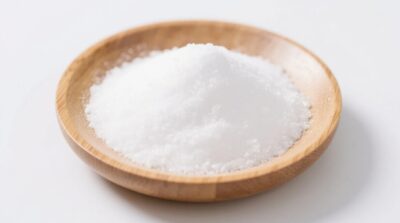
Organic Xylitol
Organic xylitol is a certified-organic sugar alcohol from non-GMO plant fiber. With about 40%…
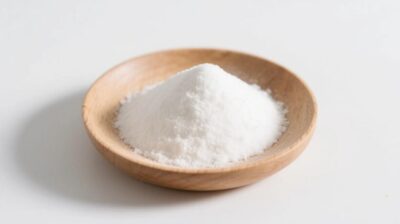
Isomaltitol Powder
Isomaltitol powder is a sugar alcohol from sucrose with a clean sugar-like taste and…
Related Posts


