Sugar & Sugar alcohol
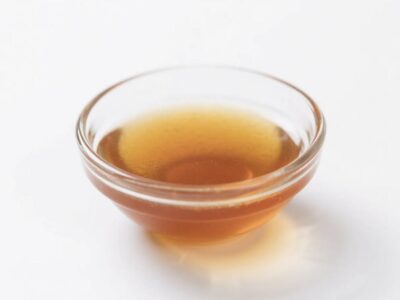
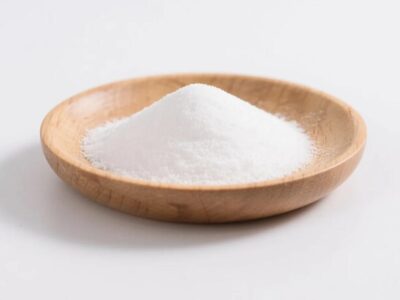
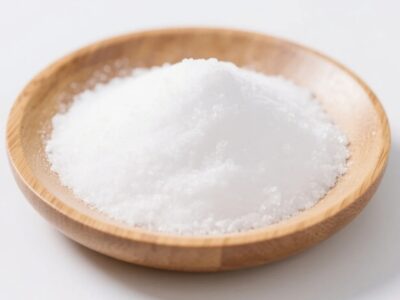
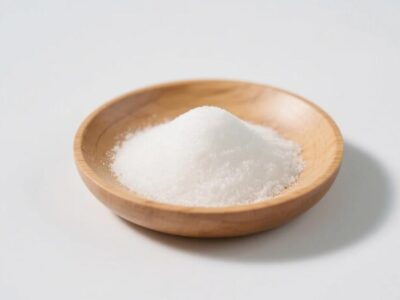
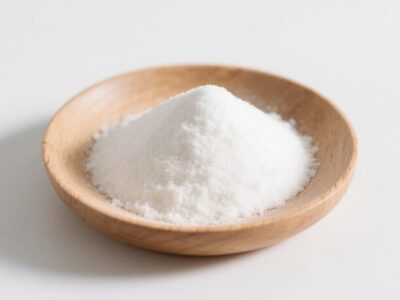
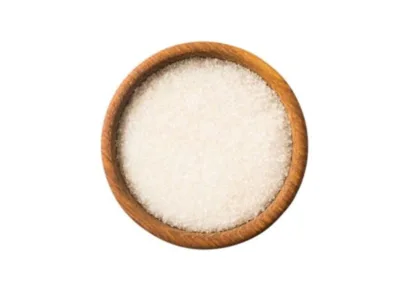
Sugar and sugar alcohol is our sweetening systems category, spanning bulk organic sugars, conventional and organic syrups, and polyols. The range covers organic cane sugar in refined, soft brown, and raw formats, organic fructose, glucose syrups across the DE spectrum, dextrose monohydrate and anhydrous, and the polyols xylitol, erythritol, maltitol, isomalt, sorbitol, and lactitol. Products are grouped by chemical family, by solid or liquid form, and by crystallization or spray-drying route.What this category coversOn the sugar side, refined cane sugar is specified by color on the ICUMSA scale; glucose syrup is described by dextrose equivalent, where a low DE syrup around 20 to 38 gives body and cohesiveness and a high DE syrup above 60 delivers sweetness and browning. Maltodextrin grades from 5 to 20 DE are stocked as bulking agents for carrier and spray-dried applications. On the polyol side, xylitol and erythritol are crystalline powders with distinct behaviors: xylitol delivers about the same sweetness as sucrose with a strong cooling effect and high solubility, while erythritol is near zero calorie, less soluble, and less hygroscopic, which makes it the base for tabletop and beverage formats. Maltitol syrups are classified by maltitol content and DE for bakery and confectionery body, and isomalt is offered in crystalline grade for hard candy and pan coating. Powder polyols are specified by particle size distribution, sieve analysis, moisture, and, where relevant, mean particle diameter for direct-compression formats.How these ingredients are usedBeverage formulators use glucose syrup and fructose for quick sweetness and mouthfeel, and erythritol plus a high-intensity sweetener where a zero-calorie claim is required, watching solubility limits and cooling perception. Bakery and confectionery use maltitol and isomalt where sugar reduction is needed without losing crystallinity or shelf stability; maltitol syrup functions as a humectant and plasticizer in cereal bars, extending softness over shelf life. Xylitol is the standard choice for chewing gum, coating, and oral care formats because of its solubility and cooling profile. In dairy and desserts, polyols affect freezing point depression, so formulation needs to account for scoop hardness and freeze-thaw stability. Sorbitol syrup is used where humectancy matters more than sweetness, such as soft baked goods and fruit preparations. Purchasing teams should note that polyols carry different labeling rules from sugar and that some markets require a laxation warning above defined intake levels; documentation is available on request.Material in this category is produced under organic certification according to EU and USDA organic schemes where organic grades apply, and all manufacturing sites operate to ISO 22000. Certificates of analysis, specification sheets, kosher and halal certificates, and safety data sheets are supplied per shipment, and packing ranges from 25 kg bags and 1000 kg big bags to tanker or flexitank for liquid grades.
-
Sale!
-
Sale!
-
Sale!
-
Sale!

-
Sale!
-
Sale!
-
Sale!
-
Sale!
-
Sale!