
Sugar used to be the only game in town. Now more home cooks are reaching for plant-based sweeteners that deliver real flavor without the blood-sugar spike. Two of the most popular options — stevia and monk fruit — come straight from nature, work in everyday recipes, and are easier to use than you might think. If you have ever stood in the baking aisle wondering which one to grab and how much to measure, this guide is for you. Here is everything you need to know about how to use stevia and monk fruit in cooking and baking, from sweetness conversions to practical kitchen tips.
Why Home Cooks Choose Stevia and Monk Fruit
Both stevia and monk fruit are zero-calorie sweeteners derived from plants, not chemicals. Stevia comes from the leaves of Stevia rebaudiana, a shrub native to South America. Monk fruit, also called luo han guo, is a small melon grown in Southeast Asia whose sweetness comes from natural antioxidants called mogrosides.
Home cooks gravitate toward them for a few clear reasons:
- Blood sugar management. Neither sweetener raises glucose levels, making them suitable for people with diabetes or anyone watching their sugar intake.
- Clean labels. Pure organic stevia extract and organic monk fruit extract powder contain one ingredient — no fillers, no artificial additives.
- Keto and low-carb diets. Because they contribute effectively zero net carbs, both sweeteners fit seamlessly into ketogenic, paleo-friendly, and low-carb lifestyles.
- Flavor versatility. Unlike some sugar substitutes, both work across sweet and savory applications — from muffins to marinades.
The key difference? Stevia can have a mild licorice-like aftertaste at higher concentrations, while monk fruit tends to have a rounder, more sugar-like profile. Many cooks keep both on hand and choose based on the recipe.
Understanding Sweetness Ratios Versus Sugar
One of the first things to figure out when switching to plant-based sweeteners is how sweet they are compared to table sugar. Both stevia and monk fruit are significantly sweeter, which means you use far less.
| Sweetener | Approximate Sweetness vs. Sugar |
|---|---|
| Granulated sugar | 1× (baseline) |
| Stevia (pure extract) | 200–300× |
| Monk fruit (pure extract) | 150–250× |
| Stevia blend (with erythritol) | ~2× |
| Monk fruit blend (with erythritol) | ~2× |
Because pure extracts are so concentrated, most brands offer blended versions that mix the extract with a bulking agent like erythritol. These blends measure more like sugar cup-for-cup (roughly), which makes them much easier for everyday cooking.
When a recipe calls for one cup of sugar, here is a quick reference:
- Pure stevia extract: start with ¼ to ½ teaspoon and adjust to taste.
- Pure monk fruit extract: start with ¼ to ½ teaspoon and adjust to taste.
- Stevia or monk fruit blend (with erythritol): use roughly ½ cup per cup of sugar, then taste and adjust.
Always check the specific product label — sweetness concentrations vary between brands.
Using Stevia in Baking: Tips and Limitations
Stevia works well in many baked goods, but it behaves differently than sugar. Sugar does more than sweeten — it adds volume, helps with browning, keeps baked goods moist, and contributes to structure. When you remove sugar and add a few drops or pinches of stevia, you lose those functional benefits.
Here is how to bake successfully with stevia:
Add bulk where sugar is missing. In recipes where sugar makes up a large portion of the dry ingredients (cakes, cookies), replace some of the lost volume with ingredients like unsweetened applesauce, yogurt, or extra egg whites. This keeps the texture from turning flat or dry.
Watch the bake time. Without sugar to promote browning, stevia-sweetened goods can look pale even when fully baked. Use a toothpick test rather than color as your doneness indicator.
Pair it with a bulking sweetener. If a recipe needs the structural role sugar plays — think crisp cookies or chewy brownies — consider using a stevia-erythritol blend instead of pure extract. The erythritol provides volume and some browning, while the stevia adds sweetness without extra carbs.
Be mindful of aftertaste. In delicately flavored items like vanilla cake or shortbread, stevia’s slight herbal note can come through. It tends to work best in recipes with bold flavors — chocolate, cinnamon, citrus, or spice — where the aftertaste is masked.
Start with less, taste, then add more. It is always easier to add sweetness than to fix an overly sweet dish. Mix your batter, taste a small amount, and adjust upward as needed.
Using Monk Fruit in Baking and Beverages
Monk fruit is often considered the more sugar-like of the two plant-based options. Its flavor profile is rounder and smoother, with less aftertaste, which makes it a strong choice for recipes where the sweetener is front and center.
Baking with Monk Fruit
The same structural challenges apply — monk fruit does not caramelize or add volume the way sugar does. But in practice, many bakers find monk fruit a bit more forgiving than stevia because of its cleaner taste.
- Quick breads and muffins: Monk fruit blends work beautifully. The moisture from ingredients like banana, pumpkin, or yogurt compensates for lost sugar volume.
- Cookies: A monk fruit-erythritol blend yields a crisper edge than pure extract. For soft cookies, add a tablespoon of coconut oil or nut butter.
- Pies and crisps: Monk fruit pairs well with naturally sweet fruit fillings. You may need less sweetener than you think because the fruit itself contributes sugar.
Monk Fruit in Drinks
This is where monk fruit really shines. Unlike some sweeteners that dissolve poorly or leave a film, organic monk fruit extract powder dissolves easily in both hot and cold liquids.
- Hot coffee and tea: A tiny pinch of pure extract — literally the amount that clings to the tip of a spoon — sweetens a full mug.
- Iced beverages: Powdered monk fruit blends stir into iced tea, lemonade, and cold brew without grittiness.
- Smoothies: Add to taste; start with a small amount since fruit already contributes natural sweetness.
- Homemade sodas: Dissolve monk fruit blend into a simple syrup base (water + sweetener) and combine with sparkling water and citrus.
For a deeper look at what monk fruit is and how it is made, see our explainer on what monk fruit is and whether it is bad for you.
Practical Substitution Chart
Use this chart as a starting point and adjust to your taste. Measurements assume a monk fruit or stevia blend sweetened with erythritol (roughly 2× the sweetness of sugar). For pure extracts, reduce amounts dramatically and scale up in tiny increments.
| Application | Sugar Called For | Blend Amount | Pure Extract Amount | Notes |
|---|---|---|---|---|
| Coffee / tea | 1 tsp | ½ tsp | Tiny pinch | Dissolves easily; taste and adjust |
| Smoothie | 1 tbsp | 1½ tsp | 1–2 pinches | Fruit adds natural sweetness |
| Lemonade (1 pitcher) | ½ cup | ¼ cup | ¼ tsp | Add slowly and taste |
| Muffins (1 batch) | ¾ cup | ⅓ cup | ¼ tsp | Add applesauce for moisture |
| Cookies | 1 cup | ½ cup | ¼ tsp | Blend works best for texture |
| Pancakes | 2 tbsp | 1 tbsp | 1 pinch | Maple flavor pairs well with monk fruit |
| BBQ sauce | ⅓ cup | 3 tbsp | ⅛ tsp | Acid and smoke mask any aftertaste |
| Salad dressing | 1 tsp | ½ tsp | Tiny pinch | Works in vinaigrettes and Asian dressings |
| Oatmeal | 1 tbsp | 1½ tsp | 1–2 pinches | Stir in after cooking for best flavor |
A few things to keep in mind: humidity and brand differences can shift these amounts slightly. When in doubt, sweeten conservatively and add more.
What Forms to Buy: Powder, Liquid, or Blend
Both stevia and monk fruit come in several formats. The right choice depends on how you plan to use them.
Pure Extract Powder
The most concentrated option. A small bag lasts a long time because you use so little per serving. Best for sweetening beverages, oatmeal, yogurt, and sauces where precision is easy. Not ideal as the sole sweetener in baking — you lose too much volume.
Liquid Drops
Convenient for drinks and recipes where you need precise control. A few drops sweeten a cup of coffee. However, liquid forms are not practical for baking because the water content can alter recipe ratios.
Granulated Blends (with Erythritol or Inulin)
These are the closest swap for sugar in terms of measuring and baking behavior. The bulking agent adds volume and some browning, while the plant extract provides the sweetness. They measure roughly half as sweet as sugar cup-for-cup, so you use about half the amount your recipe calls for.
Monk Fruit with Inulin
Some blends use inulin (a prebiotic fiber) instead of erythritol as the bulking agent. This is a good option for anyone who experiences digestive sensitivity to sugar alcohols. Inulin also adds a slight creaminess that works well in hot drinks and smoothies.
Where to Buy Quality Organic Versions and What to Look for on Labels
Not all stevia and monk fruit products are created equal. Here is what to check before you buy:
Look for organic certification. This ensures the raw materials were grown without synthetic pesticides or herbicides. Both organic stevia extract and organic monk fruit extract powder should carry a USDA Organic seal or equivalent certification.
Check the ingredient list. A high-quality product lists one ingredient — the extract itself. If you see maltodextrin, dextrose, or artificial flavors on the label, you are looking at a highly processed blend that may not deliver the clean-label benefits you are after.
Watch for hidden fillers. Some brands use cheap fillers to stretch the product. While erythritol and inulin are acceptable bulking agents in blends, they should be clearly labeled. Avoid products where the extract is the last ingredient on the list — that usually means it makes up a tiny fraction of what is in the package.
Consider the extraction method. Water-based or ethanol-based extraction preserves more of the natural compounds compared to harsh chemical processes. Reputable suppliers will describe their extraction process or make technical documentation available.
Buy from trusted suppliers. Specialty ingredient suppliers with transparent sourcing and third-party testing — like BIOSTARCH — provide consistency and quality you can rely on for daily use.
Bringing It All Together
Learning how to use stevia and monk fruit in cooking and baking is less about memorizing formulas and more about understanding a few core principles: these sweeteners are far more concentrated than sugar, they do not behave like sugar in the oven, and the right form depends on what you are making. Start with small amounts, taste as you go, and keep both a pure extract and a blend on your shelf so you are ready for anything — from your morning coffee to a weekend baking project.
The more you cook with plant-based sweeteners, the more intuitive the substitutions become. Before long, reaching for the sugar bowl will feel like the exception, not the rule.
Recommended Products
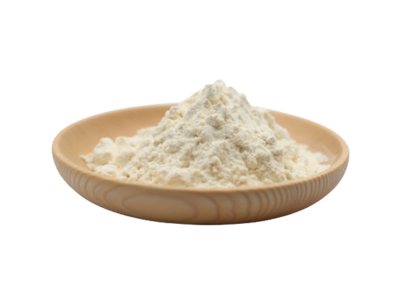
Monk Fruit Extract Powder
Monk fruit extract powder is a zero-calorie sweetener standardized to ≥50% total mogrosides (≥25%…
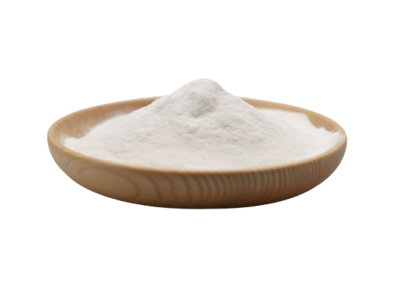
Stevia Extract Powder
Stevia extract powder is a high-intensity sweetener standardized to ≥95% Rebaudioside A. Zero-calorie and…


