
Why Manufacturers Choose Polydextrose
Food formulators today face simultaneous demands for reduced sugar, added fiber, clean labels, and superior sensory quality—all while meeting cost targets. Finding a single ingredient that addresses multiple goals is rare, which is why polydextrose has become a staple in commercial food manufacturing.
Polydextrose in food manufacturing applications functions as a four-in-one ingredient: a bulking agent that replaces the physical volume of sugar, a humectant that locks in moisture for extended shelf life, a soluble fiber source that supports digestive health, and a low-calorie sweetener extender. At approximately 1 kcal per gram and over 90% dietary fiber, it enables fiber enrichment claims while keeping calories low.
From a processing standpoint, organic polydextrose offers distinct advantages. It dissolves completely in water to form a clear solution, withstands temperatures up to approximately 200 degrees Celsius, and remains stable across a pH range of 2.5 to 7.0. These properties make it compatible with virtually every food processing system. Unlike inulin, which can hydrolyze into free sugars under acidic conditions or high heat, polydextrose retains its functional fiber structure throughout processing.
The multifunctional nature also simplifies supply chains: rather than sourcing separate ingredients for bulking, moisture control, fiber enrichment, and sweetness modulation, manufacturers can consolidate around a single ingredient, reducing inventory complexity and providing more consistent batch-to-batch results. For a deeper understanding of how polydextrose achieves these multiple functions, our complete guide to organic polydextrose provides technical explanations.
Beverage Applications
Beverages represent one of the largest application categories for polydextrose in commercial production. The ingredient’s complete water solubility, neutral taste, and clarity in solution make it a natural fit for drink formulations that must maintain visual appeal while delivering functional benefits.
Clear beverages, including flavored waters, enhanced waters, and ready-to-drink teas, benefit in two ways: polydextrose adds the body and mouthfeel that low-calorie beverages lose after sugar removal, and it provides soluble fiber that supports functional hydration claims. The organic polydextrose syrup form is preferred for beverages due to its ease of incorporation into liquid systems.
Carbonated beverages present additional challenges because carbonation can amplify off-tastes. Polydextrose contributes a gentle viscosity that mimics the mouthfeel of full-sugar sodas without haze, sedimentation, or flavor distortion. The syrup form integrates smoothly into cold-fill and hot-fill carbonated lines at 3 to 5 percent for fiber claims, and up to 10 percent for broader sugar replacement.
Functional and sports beverages often combine protein, electrolytes, vitamins, and fiber in a single bottle. Polydextrose remains stable in these multi-component systems, does not react with minerals or vitamins, and maintains clarity even in the presence of electrolytes. Dairy-based beverages benefit too, where it contributes soluble fiber and a smoother, creamier mouthfeel.
For products targeting a “good source of fiber” claim, 3 to 5 percent polydextrose by weight is typical; reduced-sugar or sugar-free beverages commonly use 8 to 10 percent, often combined with high-intensity sweeteners to achieve the target sweetness while maintaining body, texture, and stability.
Bakery and Snack Applications
Bakery products place different technical demands on ingredients, and polydextrose meets them across cookies, cakes, breads, and crackers. In these products, it contributes moisture retention, sugar replacement, fiber enrichment, and controlled browning—all from a single addition.
Sugar replacement in bakery is demanding because sugar provides bulk, controls spread, contributes to crust color through caramelization and Maillard reactions, and binds water to influence texture and shelf life. Formulators can substitute approximately 25 to 50 percent of sugar weight with polydextrose while maintaining these properties, with the remaining sweetness typically addressed by high-intensity sweeteners.
Moisture retention is one of the most valued functions: as a humectant, polydextrose binds water within the product matrix, slowing moisture migration and extending the soft, fresh-baked quality for days or weeks, which reduces waste and improves consumer satisfaction.
With over 90 percent dietary fiber content, even modest additions elevate baked goods to levels supporting front-of-pack fiber claims—a cookie with 3 grams of fiber per serving, or bread with 5 grams per slice, becomes achievable without the grittiness of insoluble fibers. For dry mix applications, the organic polydextrose powder form is ideal, blending uniformly with flour, sugar, and other dry ingredients.
Browning control is a nuanced consideration: polydextrose contributes less to Maillard browning than sugar—advantageous for white bread or sugar cookies—while products relying on a golden-brown crust can adjust bake times, temperatures, or add small amounts of reducing sugars.
Dairy and Frozen Desserts
Dairy and frozen dessert applications showcase polydextrose versatility across temperature extremes. From cultured yogurt at refrigeration temperature to ice cream at minus 20 degrees Celsius, the ingredient maintains functionality across the full cold chain.
In yogurt, polydextrose serves as both a prebiotic fiber and a texture modifier. It builds body and creaminess in set-style and stirred yogurts without the grittiness of insoluble fibers, compensating for texture loss when milk fat is reduced in low-fat and non-fat formulations. Usage rates of 2 to 5 percent deliver meaningful fiber content while preserving the clean, cultured flavor profile.
Ice cream and frozen novelties benefit from polydextrose as a bulking agent that replaces sugar solids and prevents the icy texture common in reduced-sugar frozen desserts; its anti-crystallization properties maintain a smoother product throughout distribution. In standard ice creams, 3 to 5 percent provides noticeable texture improvements; in sugar-free products, rates reach 8 to 10 percent with sugar alcohols and high-intensity sweeteners.
Plant-based dairy alternatives represent a growing segment where polydextrose adds particular value. Almond, oat, coconut, and soy-based products often struggle with thin body and moisture separation—problems polydextrose addresses through bulking and humectant functions, while adding dietary fiber that many plant-based alternatives lack. For formulators concerned about health-related claims, our article on whether polydextrose is inflammatory provides evidence-based information.
Freeze-thaw stability is another advantage: by reducing free water in the product matrix, polydextrose limits ice crystal growth during temperature fluctuations in distribution and retail display, maintaining product quality through the entire cold chain.
Sugar-Free Confectionery
Sugar-free confectionery is one of the most technically challenging categories, and polydextrose has become an essential tool here. Hard candies, gummies, and chewing gums must replicate the bulk, texture, sweetness, and mouthfeel of full-sugar products—without using sugar, which typically constitutes 50 to 80 percent of the formula.
Hard candies require a replacement that provides the glassy structure, cooling mouthfeel, and bulk of sugar. Polydextrose, at 30 to 60 percent of the formula, provides the amorphous glass forming the candy body, a clean dissolution profile, and the added benefit of being non-cariogenic—a key selling point for sugar-free confectionery.
Gummies and jellies present different challenges: sugar contributes to the gel network and controls water activity, while polydextrose integrates into pectin, gelatin, and starch-based systems, contributing to gel structure and preventing the drying and hardening common in sugar-free gummies. At 30 to 50 percent, it delivers meaningful fiber content and supports the chewy texture consumers expect.
Chewing gum requires a water-soluble bulking agent that dissolves during chewing to release flavor while leaving the gum base behind. Polydextrose dissolves gradually, providing sustained mouthfeel and serving as a carrier for flavors and high-intensity sweeteners, and its non-cariogenic properties support oral health claims.
Across all confectionery categories, polydextrose’s heat stability up to approximately 200 degrees Celsius is critical: hard candy manufacturing involves cooking to 150 to 170 degrees Celsius, and gummy production requires heating to activate gelling agents. The ingredient maintains functionality throughout, unlike some alternative bulking agents that can degrade at elevated temperatures.
Bars and Nutritional Products
The bars category—protein bars, nutrition bars, meal replacements, and granola bars—places unique demands on ingredients: they must bind dry components while resisting hardening, control water activity, deliver targeted nutrition, and maintain palatable texture throughout shelf life.
Binding is one of polydextrose’s primary roles in bars. Its humectant properties help create and maintain the cohesive matrix that holds oats, protein crisps, nuts, and fruit pieces together. Without adequate binding, bars crumble during packaging and deliver a poor eating experience. Polydextrose contributes a pliable, cohesive structure without becoming sticky or difficult to process on high-speed forming lines.
At usage rates of 5 to 15 percent, polydextrose can deliver 3 to 8 grams of fiber per bar serving, supporting “high fiber” or “good source of fiber” claims while contributing to satiety—a valued attribute in meal replacement products.
Sweetness extension is a third benefit: in bars sweetened partially or entirely with high-intensity sweeteners, polydextrose provides the bulk and mouthfeel those sweeteners lack. Its low sweetness—approximately 5 to 10 percent of sucrose—adds body without overwhelming chocolate, vanilla, fruit, or nut flavor systems.
Processing favors the powder form, which blends uniformly with dry ingredients before liquid binders are added. It does not clump, integrates smoothly into cold-pressed and baked bar manufacturing, and remains stable through coating and enrobing steps.
Sauces, Dressings, and Spreads
Sauces, dressings, and spreads may not receive the same attention as beverages or confectionery, but they represent a significant category where polydextrose solves multiple formulation challenges as a bulking agent and texture modifier that improves mouthfeel, reduces calories, and supports clean label positioning.
In savory sauces—including pasta sauces, cooking sauces, and condiments—polydextrose rounds out the mouthfeel that can become thin when fat and sugar are reduced. At 2 to 5 percent, it contributes subtle viscosity that mimics the richness of oil, butter, or sugar without adding calories, and its heat stability ensures functionality through cooking and hot-fill processes.
Salad dressings must deliver a creamy mouthfeel while often targeting reduced fat, and polydextrose helps build the body and cling properties that make dressings satisfying. In vinaigrettes, the syrup form adds viscosity without clouding; in creamy dressings, it contributes the thick texture consumers expect from ranch, Caesar, and other emulsified varieties.
Fruit spreads, jams, and jellies align well with reduced-sugar strategies. Polydextrose provides soluble solids that contribute to gel set and body while adding fiber—a nutritional benefit not typically associated with this category. The syrup form is generally preferred for sauces, dressings, and spreads because it incorporates easily into liquid and semi-liquid systems.
Application Reference Table
The following table summarizes the key application categories for polydextrose, including recommended forms, typical usage rates, and primary functional contributions.
| Application Category | Recommended Form | Typical Usage Rate | Key Functions |
|---|---|---|---|
| Clear Beverages | Syrup | 3–5% (fiber claim); up to 10% (sugar replacement) | Clarity, mouthfeel, fiber enrichment |
| Carbonated Beverages | Syrup | 3–5% | Body, mouthfeel, fiber, no haze |
| Functional/Sports Drinks | Syrup | 3–8% | Fiber, stability in multi-component systems |
| Dairy Beverages & Smoothies | Syrup | 2–5% | Creaminess, prebiotic fiber, texture |
| Bakery – Cookies & Crackers | Powder | 25–50% of sugar weight | Bulk, moisture retention, fiber, browning control |
| Bakery – Bread & Cakes | Powder | 5–10% of flour weight | Fiber enrichment, moisture, softness |
| Yogurt (Dairy & Plant-Based) | Syrup | 2–5% | Prebiotic fiber, texture, body |
| Ice Cream & Frozen Desserts | Syrup or Powder | 3–10% | Bulking, anti-crystallization, freeze-thaw stability |
| Sugar-Free Hard Candy | Powder | 30–60% of formula | Glass formation, bulk, non-cariogenic |
| Sugar-Free Gummies & Chewing Gum | Powder | 30–50% (gummies); 30–60% (gum) | Gel integration, humectancy, bulk, oral health |
| Protein & Nutrition Bars | Powder | 5–15% | Binding, fiber enrichment, sweetness extension |
| Sauces, Dressings & Spreads | Syrup | 2–5% | Body, mouthfeel, calorie reduction |
Processing and Handling Considerations
Effective use of polydextrose depends on understanding the ingredient’s behavior under real-world processing conditions, with proper handling, storage, and integration ensuring consistent results.
Heat stability is a primary processing attribute. The ingredient remains stable at approximately 200 degrees Celsius, covering most food processes: baking (160 to 220 degrees Celsius product surface), extrusion (120 to 180 degrees Celsius), pasteurization (72 to 95 degrees Celsius), and hard candy cooking (150 to 170 degrees Celsius). Polydextrose can therefore be added early in manufacturing without degradation concerns, retaining its polymeric fiber structure where inulin would hydrolyze into fructose and glucose monomers under heat.
pH stability is equally important: polydextrose remains stable across pH 2.5 to 7.0, from highly acidic beverages and fruit preparations to neutral dairy and bakery products—a significant advantage over inulin, which hydrolyzes in low-pH environments, releasing free sugars and losing fiber functionality. For products on retail shelves for months, this helps keep the declared nutritional panel accurate over shelf life.
Solubility behavior varies between forms. Polydextrose powder dissolves in water at ambient temperature, forming a clear solution; it is somewhat hygroscopic and should be stored in sealed containers in cool, dry conditions, and can be added directly to dry blends or pre-dissolved. The syrup form, at approximately 70 percent solids, is pumpable at ambient temperature and can be metered directly into liquid processing streams—ideal for high-volume beverage, dairy, and sauce operations.
Mixing is straightforward for both forms, but order of addition matters. In dry blends, polydextrose mixes uniformly with flours, proteins, and sweeteners; in liquid systems, adding syrup or pre-dissolved powder early allows thorough dispersion before thickeners or emulsifiers are introduced. It is compatible with proteins, fats, starches, hydrocolloids, sweeteners, acids, and flavor compounds.
Storage requires minimal attention. Both forms should be stored in clean, dry conditions away from strong odors; the syrup is microbiologically stable at ambient temperature due to high solids content and low water activity, and standard first-in-first-out inventory management and sealed containers are sufficient. On ingredient declarations, polydextrose is listed simply as “polydextrose” or “soluble corn fiber”—terms consumers recognize. For guidance on evaluating suppliers and reviewing Certificates of Analysis, see our guide to sourcing organic polydextrose. Organic certification adds an additional layer of trust for premium brand positioning.
About Our Organic Polydextrose
BIOSTARCH supplies certified organic polydextrose in both powder and syrup forms, produced under rigorous quality standards. Our polydextrose delivers consistent functionality across all the applications described in this guide, with reliable batch-to-batch performance that formulators can depend on. Contact our technical team to discuss your formulation requirements and request samples for evaluation.
Recommended Products
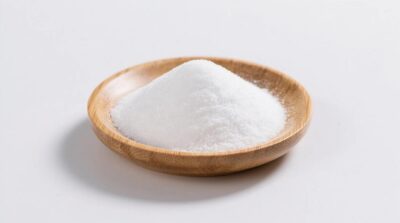
Polydextrose Powder
Polydextrose powder is a non-GMO soluble fiber with ≥90% total dietary fiber (dry basis)…
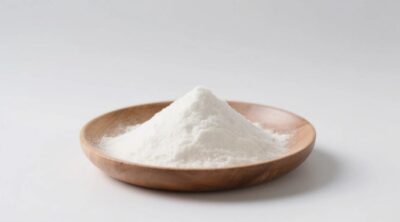
Organic Isomaltoligosaccharides
Organic isomaltoligosaccharides (IMO) powder is a certified-organic prebiotic fiber (90%+) from non-GMO corn or…
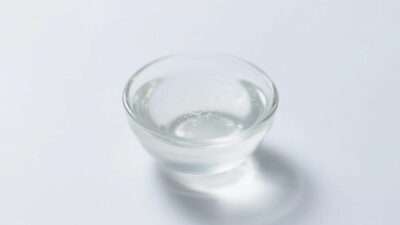
Polydextrose Syrup
Polydextrose syrup is a non-GMO soluble fiber in liquid form with ≥90% polydextrose on…


