
If you have been searching “is stevia or monk fruit safe for blood sugar,” you are not alone. Millions of people managing diabetes, following a ketogenic diet, or simply trying to reduce refined sugar intake ask this exact question every day. The short answer: neither stevia nor monk fruit raises blood glucose levels in any clinically meaningful way when used as directed.
But the full picture is worth understanding. Below, we break down the mechanisms, the research, and the practical guidance so you can make an informed decision about which natural sweetener fits your lifestyle.
Do Stevia and Monk Fruit Raise Blood Sugar?
Let us start with the direct answer you came here for.
Stevia and monk fruit do not spike blood sugar. Both sweeteners have a glycemic index (GI) of zero and a glycemic load of zero. This means they contain no digestible carbohydrates that your body converts into glucose.
When researchers measure postprandial (after-meal) blood glucose in subjects who consume steviol glycosides (the active compounds in stevia) or mogrosides (the active compounds in monk fruit), they observe no statistically significant difference from water or placebo. This holds true across multiple study populations — including people with type 2 diabetes, prediabetes, and healthy individuals.
For context: table sugar has a GI of around 65–75. Honey sits at roughly 58–60. Even agave nectar, often marketed as a low-glycemic alternative, registers around 15–30. Stevia and monk fruit sit firmly at zero.
How Mogrosides and Steviol Glycosides Work in Your Body
The reason these two plant extracts behave so differently from sugar comes down to their molecular structure. Understanding this helps explain why the blood sugar question has such a clear answer.
Steviol Glycosides (Stevia)
The sweetness in stevia comes from compounds called steviol glycosides, primarily rebaudioside A (Reb A) and stevioside. These molecules bind to the T1R2/T1R3 sweet taste receptors on your tongue — the same receptors that detect sucrose (table sugar). That is why stevia tastes sweet to you.
However, once swallowed, steviol glycosides travel through your digestive tract largely unchanged. They are not broken down by enzymes in the mouth or small intestine. When they reach the colon, gut bacteria metabolize them into steviol, which is then absorbed into the bloodstream, conjugated in the liver (attached to glucuronic acid), and excreted in urine.
At no point in this pathway does stevia release free glucose into your bloodstream. The molecule simply does not work that way.
Mogrosides (Monk Fruit)
Monk fruit (Siraitia grosvenorii, also known as luo han guo) gets its intense sweetness from mogrosides, particularly mogroside V. These are triterpene glycosides — structurally different from steviol glycosides but functionally similar in one key respect: they are not metabolized for energy.
Mogrosides pass through the upper gastrointestinal tract without being broken down into absorbable sugars. Like steviol glycosides, they provide sweetness without contributing usable calories or carbohydrates. This is why monk fruit extracts can be 150–250 times sweeter than sugar while delivering virtually zero calories.
Clinical Studies and Safety Data
The scientific literature supporting the safety of both sweeteners is extensive and growing. Here is what the major regulatory bodies and peer-reviewed studies tell us.
FDA GRAS Status
The U.S. Food and Drug Administration has granted GRAS (Generally Recognized As Safe) status to high-purity stevia leaf extracts (containing 95% or more steviol glycosides) since 2008. High-purity monk fruit extract received GRAS designation in 2010.
It is important to note that GRAS applies specifically to purified extracts, not raw whole leaves or unprocessed fruit. The purification process removes potential impurities while concentrating the active sweetening compounds.
EFSA and Global Approvals
The European Food Safety Authority (EFSA) conducted a comprehensive re-evaluation of steviol glycosides in 2010 and established an Acceptable Daily Intake (ADI) of 4 mg per kilogram of body weight per day expressed as steviol equivalents. For a 70 kg (154 lb) adult, that equals roughly 40 packets of stevia daily — far beyond typical consumption patterns.
Monk fruit mogrosides have been evaluated by regulatory authorities across North America, Europe, Asia, and Australia, all reaching similar conclusions: safe for general consumption at expected intake levels.
Key Clinical Findings
A 2017 randomized controlled trial published in Nutrients compared the effects of stevia, monk fruit, and sucrose on postprandial glucose and insulin responses in healthy adults. Participants consuming stevia or monk fruit showed no significant rise in blood glucose or insulin, while the sucrose group showed the expected sharp increase followed by a compensatory insulin spike.
Another notable study, a 2018 double-blind trial in Appetite, examined stevia’s effect on satiety hormones and found that it did not trigger the insulin response associated with caloric sweeteners — further evidence that the body does not register it as a source of glucose.
Impact on Insulin Response and Glycemic Index
Blood sugar and insulin are closely linked. When you eat carbohydrates, your pancreas releases insulin to help cells absorb glucose. Repeated large insulin spikes over time can contribute to insulin resistance — a precursor to type 2 diabetes.
Because stevia and monk fruit contain no bioavailable glucose, they do not trigger insulin release. This has been confirmed through multiple methodologies:
- Oral glucose tolerance tests (OGTT) incorporating stevia or monk fruit show identical results to placebo.
- Continuous glucose monitor (CGM) studies tracking real-time blood sugar over 24-hour periods find no deviation from baseline after consumption.
- Insulin assays measuring plasma insulin levels confirm no elevation following ingestion.
This makes both sweeteners valuable tools for anyone looking to flatten their glycemic curve — whether for diabetes management, weight management, or general metabolic health optimization.
The glycemic index of both sweeteners is formally recorded as zero by the American Diabetes Association and other authoritative sources. Zero GI does not mean “low” — it means none. There is no measurable effect.
Safe for Diabetics? Keto? Pregnancy?
For People With Diabetes
Both the American Diabetes Association and Diabetes UK list stevia and monk fruit among acceptable non-nutritive sweeteners for people with diabetes. They recommend them as alternatives to sugar-sweetened beverages and foods, noting that they do not affect HbA1c (long-term blood sugar control marker) when substituted for caloric sweeteners.
If you are monitoring your blood glucose closely, you can use organic stevia extract or organic monk fruit extract powder without expecting any impact on your readings. That said, always consult your healthcare provider before making significant dietary changes.
For Ketogenic Diets
Ketogenic diets require keeping carbohydrate intake very low (typically under 20–50g net carbs per day) to maintain nutritional ketosis. Because stevia and monk fruit contribute zero net carbohydrates, they are fully compatible with keto eating patterns.
Many keto-friendly recipes, packaged foods, and beverages rely on these two extracts as their primary sweeteners. They allow people on strict low-carb regimens to enjoy sweet flavors without breaking ketosis.
During Pregnancy
Current guidance suggests that stevia and monk fruit are likely safe during pregnancy when consumed in normal amounts, but the evidence base is less robust than for the general population. The key principle: stick to high-purity, commercially produced extracts within typical serving sizes, and discuss with your obstetrician if you have concerns.
If you want a deeper dive into monk fruit specifically — including its history, production methods, and full safety profile — our complete guide covers everything you need to know.
Common Myths and Side Effects: What You Should Actually Worry About
Despite the strong safety record, misconceptions persist online. Let us address the most common concerns directly.
Myth: Stevia Causes Headaches or Dizziness
Anecdotal reports of headaches linked to stevia exist, but controlled studies have not replicated this effect. In blinded trials where participants could not identify whether they received stevia or placebo, headache rates were identical between groups. This suggests that expectation bias (knowing you consumed something unusual) may explain many individual reports rather than a pharmacological cause.
Myth: Monk Fruit Makes You Sleepy
Some users report feeling drowsy after consuming monk fruit-sweetened products. There is no known mechanism by which mogrosides would cause sedation. The more likely explanation: the product contained other ingredients (such as certain sugar alcohols like erythritol, which some people digest poorly), or the effect coincidental.
Myth: Natural Sweeteners Cause Sugar Cravings
Research on this topic is mixed but generally reassuring. Some studies suggest that the sweet taste alone — regardless of calories — may maintain preference for sweetness. Others find that replacing sugar with non-nutritive sweeteners helps reduce overall sweet cravings over time. The outcome appears highly individual. If you notice increased cravings, consider reducing total sweetness in your diet rather than blaming the specific sweetener.
Real Side Effects to Be Aware Of
Most side effects reported with stevia and monk fruit are mild and gastrointestinal in nature:
- Bloating or gas: Usually occurs when the product contains added erythritol or other sugar alcohols, not from the sweetener itself.
- Digestive changes: Rare, and typically dose-dependent.
- Allergic reactions: Extremely uncommon but possible, especially in individuals with allergies to plants in the Asteraceae family (for stevia, related to ragweed and daisies).
The takeaway: serious adverse events from high-quality stevia or monk fruit extracts are exceptionally rare in the published literature.
How to Read Labels and Choose Quality Products
Not every product labeled “stevia” or “monk fruit” on the shelf delivers the same quality or purity. Here is what to look for when shopping.
Check the Ingredient List First
Many commercial blends combine stevia or monk fruit with filler ingredients. Common additives include:
- Erythritol — generally well-tolerated but can cause bloating in sensitive individuals
- Dextrose / Maltodextrin — these ARE sugars and WILL raise blood sugar
- Inulin / Fiber blends — usually benign but check the carb count
- Natural flavors — vague term; quality varies widely by manufacturer
If your primary concern is blood sugar impact, avoid any product listing dextrose or maltodextrin among its first three ingredients. These bulking agents defeat the purpose of choosing a zero-GI sweetener.
Purity Matters
Look for products specifying high-purity extracts:
- Stevia: 95%+ steviol glycoside content (Reb A preferred for cleaner taste)
- Monk Fruit: 25%+ mogroside V content (higher = sweeter, less needed per serving)
Organic certification adds another layer of quality assurance regarding pesticide residue and processing standards. Organic monk fruit extract powder and organic stevia extract options give you confidence that the ingredient meets rigorous agricultural and production standards.
Form Considerations
- Powders are versatile for baking, beverages, and cooking
- Liquid drops offer precise portion control and dissolve easily
- Tablets are convenient for coffee and tea on the go
- Granulated blends mimic the texture of sugar for 1:1 substitution in recipes
Choose the format that matches how you plan to use the product most often.
The Bottom Line
Returning to the original question — is stevia or monk fruit safe for blood sugar? — the evidence is clear and consistent. Both natural sweeteners provide intense sweetness without raising blood glucose or triggering insulin release. They carry GRAS approval from the FDA, positive safety assessments from global regulators, and decades of use across diverse populations.
For diabetics, keto dieters, or anyone working to reduce sugar intake without sacrificing sweetness, stevia and monk fruit represent two of the most thoroughly studied and reliably safe options available. The key is selecting high-purity products from trustworthy sources and reading labels carefully to avoid hidden sugars in blended formulations.
Your morning coffee, afternoon tea, and weekend baking can stay satisfyingly sweet — without the glycemic cost.
Recommended Products
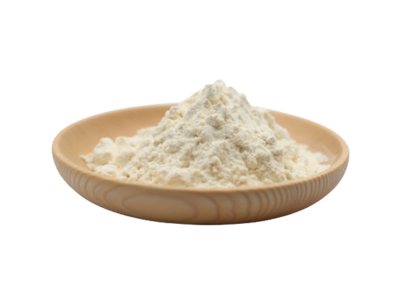
Monk Fruit Extract Powder
Monk fruit extract powder is a zero-calorie sweetener standardized to ≥50% total mogrosides (≥25%…


