
Organic maltitol brings a rare combination to the home kitchen: sugar-like taste, reliable baking performance, and meaningful calorie reduction. Unlike erythritol, which cools the palate and refuses to brown, or xylitol, which adds a minty chill to every recipe, maltitol behaves much like the sugar it replaces. The tradeoff is digestive tolerance, which requires mindful portion management. This article covers practical home applications, dosage strategies, and specific techniques for getting the best results from organic maltitol in everyday cooking and baking.
Understanding Maltitol at Home
Before working with organic maltitol in the kitchen, it helps to understand the two forms available and how they differ.
Crystalline maltitol powder is the most versatile form for home use. It looks and pours like table sugar, dissolves readily in liquids, and can be measured with standard kitchen cups and spoons. The powder has approximately 75 to 90 percent of sucrose sweetness, so recipes calling for one cup of sugar typically require one cup plus two tablespoons of maltitol powder as a starting point, with further adjustment to taste.
Maltitol syrup is less common in retail packaging but available from specialty suppliers. The syrup has higher sweetness intensity relative to its weight and provides superior moisture retention in baked goods and frozen desserts. Home bakers working with syrup need to adjust liquid content in recipes because the syrup adds both sweetness and moisture simultaneously.
The daily intake guideline for comfortable consumption is 20 grams or less for most adults. This corresponds to roughly four teaspoons of maltitol powder. Recipes that spread this amount across multiple servings, such as a batch of two dozen cookies each containing less than one gram of maltitol, fall well within comfortable limits. The challenge arises with concentrated applications like sugar-free chocolate or hard candy, where a single piece may contain 5 to 10 grams.
Sugar-Free Baking With Maltitol
Maltitol is the most sugar-like polyol available for home baking, and its properties translate directly into practical advantages in the kitchen.
Cookies and brownies benefit from maltitol’s browning capacity and moisture retention. In a standard chocolate chip cookie recipe, replacing all the sugar with maltitol powder produces cookies with acceptable crust color, soft centers, and a shelf life of several days without staling. The one adjustment most bakers need is a slight increase in maltitol quantity to compensate for the sweetness shortfall relative to sugar. Adding one extra tablespoon per cup of sugar replaced is a reliable starting point.
Cakes and muffins require more attention to leavening and structure. Maltitol does not participate in Maillard browning as actively as reducing sugars, so cakes may develop a slightly lighter crust than expected. This is easily addressed with a small addition of molasses, honey, or a pinch of fructose if the recipe permits. Maltitol syrup, when available, contributes both sweetness and moisture that improve cake texture and prevent premature drying.
Pie fillings and fruit desserts use maltitol effectively because the moderate glycemic impact is less critical in fruit-based dishes where natural sugars already contribute sweetness. A blueberry pie filling sweetened with maltitol powder instead of sugar delivers comparable taste with approximately half the caloric contribution from the sweetener component. The filling sets properly because maltitol does not interfere with starch gelation.
Bread and yeast-raised products present a specific challenge. Maltitol does not provide the fermentable substrate that yeast requires for rise and flavor development. In yeast breads, retain a portion of sugar or honey for yeast nutrition, typically 10 to 15 percent of the original sweetener quantity, and replace the remainder with maltitol. Quick breads and soda-leavened products avoid this issue entirely.
Pancakes and waffles work well with maltitol because the short cooking time and batter viscosity do not depend heavily on sugar chemistry. Maltitol powder sweetens the batter effectively, and the resulting pancakes have a neutral, pleasant taste without the cooling effect that erythritol would introduce.
For more formulation details, refer to our complete guide to organic maltitol, which covers the full technical property set behind these practical applications.
Chocolate and Confectionery at Home
Sugar-free chocolate is where maltitol outperforms every other polyol, and home chocolate making is one of the most rewarding applications.
Tempered chocolate using maltitol powder follows the same process as conventional chocolate. Melt the cocoa butter and cocoa mass, add maltitol powder ground to a fine consistency, temper to the target temperature curve, and mold. The result is a chocolate with clean sweetness, no cooling effect, and a snap comparable to sugar-based chocolate. The key is particle size: maltitol powder must be milled to 20 microns or finer to avoid grittiness. Home chocolate makers without professional grinding equipment can purchase pre-milled maltitol or use maltitol syrup instead.
Chocolate bark and coatings use maltitol syrup for convenience. Melt dark or milk chocolate base, blend with maltitol syrup at a ratio of approximately one part syrup to three parts chocolate by weight, and spread on parchment. The syrup version melts smoothly and sets with a glossy surface.
Hard candy and lollipops at home use maltitol syrup as the sole sweetener. Boil the syrup to approximately 160 degrees Celsius, add flavoring and color, pour into molds or pull by hand. The resulting candy has a smooth, glass-like texture that erythritol and xylitol cannot achieve. Keep portion sizes small, approximately 5 to 8 grams per piece, to maintain comfortable daily intake limits.
Fudge and caramel-type confections use maltitol syrup combined with cream or butter. The syrup’s resistance to crystallization produces a smooth, creamy texture. A basic sugar-free fudge recipe combines maltitol syrup, heavy cream, butter, and vanilla, cooked to soft-ball stage and beaten until set. The result closely replicates conventional fudge without the sugar content.
Gummy candies present a challenge because maltitol does not set as firmly as sugar in gelatin matrices. For gummies, blend maltitol with a small amount of erythritol or use a higher gelatin concentration. The texture will be slightly softer than conventional gummies but still acceptable.
Beverages and Liquid Applications
Maltitol dissolves readily in water, making it suitable for a range of beverage applications at home.
Iced tea and cold beverages use maltitol powder stirred directly into the prepared drink. The solubility is high enough that standard stirring dissolves the sweetener without residue. A glass of iced tea sweetened with one teaspoon of maltitol powder, approximately 4 grams, delivers adequate sweetness with minimal digestive load.
Hot beverages such as coffee and tea work equally well. Maltitol powder dissolves in hot liquid instantly and does not introduce the cooling aftertaste that erythritol produces. For consumers who find erythritol’s cold sensation unpleasant in hot drinks, maltitol is a more compatible option.
Smoothies and protein shakes can include maltitol powder as part of the sweetener blend. Because smoothies already contain fiber from fruits and vegetables, the additional osmotic load from moderate maltitol is well buffered. Adding 5 to 8 grams of maltitol to a smoothie provides sweetness equivalent to roughly one tablespoon of sugar.
Homemade sports drink formulations use maltitol for its moderate caloric content. Unlike erythritol, which provides essentially zero energy, maltitol contributes 2.1 kilocalories per gram, which is appropriate for a recovery drink that needs some carbohydrate energy but less than full-sugar formulations. A basic sports drink combining maltitol, electrolytes, and flavoring in water provides a functional beverage without the sugar spike of conventional products.
Syrups for pancakes and waffles can be prepared using maltitol syrup as the base. Reduce maltitol syrup with a small amount of water, add maple or vanilla flavoring, and simmer briefly. The result is a pourable syrup with a familiar texture and sweetness. Keep serving portions moderate, approximately two tablespoons, to stay within daily intake targets.
Daily Dosage Management
Managing daily maltitol intake is the single most important practice for comfortable home use. The following framework provides practical guidance.
Track cumulative intake across all sources. A home baker who makes cookies in the morning, drinks maltitol-sweetened iced tea at lunch, and eats a piece of sugar-free chocolate in the evening accumulates maltitol from each source. The total, not any single serving, determines digestive comfort.
The comfort zone for most adults is 10 to 20 grams per day. Within this range, digestive effects are mild or absent for the majority of consumers. New users should start at the lower end, approximately 10 grams, and increase gradually over several days as tolerance develops.
The caution zone, 20 to 30 grams per day, produces noticeable effects in some consumers. This range is acceptable for experienced sugar alcohol users who have developed tolerance, but may cause bloating or loose stools in occasional consumers.
Above 30 grams per day, the laxative effect becomes prevalent. This range should be avoided for daily consumption and reserved for occasional, controlled use with awareness of the likely digestive consequences.
Blending strategies reduce the maltitol load. Replacing half the maltitol in a recipe with erythritol cuts the maltitol dose per serving by 50 percent while maintaining acceptable sweetness and adding erythritol’s higher tolerance threshold. Our health and safety overview explains the comparative tolerance data behind this approach.
Portion control in concentrated products is essential. A sugar-free chocolate bar containing 30 grams of maltitol should be consumed in two sessions rather than one, spreading the dose over several hours and reducing the peak osmotic load on the digestive tract.
Storage and Kitchen Handling
Organic maltitol powder should be stored in an airtight container in a cool, dry location, away from direct sunlight and humidity. Although maltitol is chemically stable and does not support microbial growth, it can absorb moisture from humid air over time, which causes clumping and reduced flowability. A sealed jar or resealable bag on a pantry shelf away from the stove and dishwasher provides adequate storage conditions.
Maltitol syrup requires more careful storage. The high solids content makes the syrup hygroscopic, and exposure to air causes gradual moisture absorption that dilutes the concentration. Store syrup in a tightly sealed container in the refrigerator for retail-sized containers, or in a cool storeroom for bulk quantities. Check the syrup periodically for crystallization, which indicates moisture loss and can be corrected by gentle reheating and stirring.
Measuring maltitol powder uses standard kitchen tools. Because maltitol is slightly less sweet than sugar, the volume adjustment of one extra tablespoon per cup is more practical than attempting weight-based calculations for most home recipes. Bakers who prefer precision can use a kitchen scale, noting that maltitol powder has a density similar to granulated sugar at approximately 0.85 grams per teaspoon.
Cleanup is straightforward. Maltitol does not stick to surfaces more than sugar, and it dissolves readily in warm water. Pans, molds, and utensils used with maltitol wash clean with standard dishwashing.
Pet safety requires attention. While maltitol does not pose the acute toxicity risk that xylitol presents to dogs, it can still cause digestive distress in pets who consume sweetened products. Store maltitol and maltitol-containing foods where pets cannot access them, and discard packaging promptly.
About Our Organic Maltitol
BIOSTARCH supplies certified organic maltitol in both crystalline powder and syrup forms, produced under USDA Organic and EU Organic certification standards. The crystalline powder meets 98 percent minimum purity with consistent particle size distribution suitable for home chocolate making and baking applications. The syrup is available at 70 percent solids content, offering convenience for confectionery and beverage formulations without the need for home grinding equipment. Every batch ships with a full documentation package including Certificate of Analysis, Organic Certificate, and Non-GMO Statement. Product samples and specification sheets are available through our product page.
Recommended Products
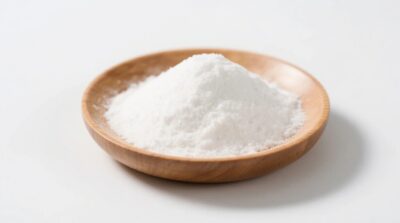
Maltitol Powder
Maltitol powder is a sugar alcohol from non-GMO corn starch with about 90% of…
Related Posts