
Organic maltitol serves commercial food manufacturing as the polyol that most closely replicates sucrose across taste, bulk, and processing behavior. Its adoption spans five major product categories where other sugar alcohols fall short: sugar-free chocolate, hard candy, bakery, ice cream, and beverages. Each category requires distinct formulation strategies that account for maltitol’s specific strengths and limitations. This article provides category-specific formulation guidance, processing parameters, and practical considerations for food manufacturers integrating organic maltitol into commercial products.
Sugar-Free Chocolate Formulation
Maltitol dominates the sugar-free chocolate segment for reasons that no other polyol can match. The minimal cooling effect preserves chocolate flavor integrity. The similar bulk density allows direct replacement of sucrose without recalculating enrobing thickness or mold fill weights. The moderate browning participation contributes caramel notes in milk chocolate formulations.
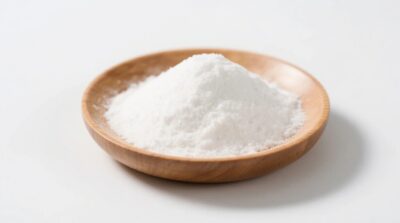
Crystalline maltitol powder is the standard ingredient for solid chocolate bars and coatings. The formulation replaces sucrose at a one-to-one weight ratio, with a sweetness adjustment of 10 to 25 percent additional maltitol to compensate for the sweetness shortfall. In a typical dark chocolate formula containing 55 percent cocoa mass, 15 percent cocoa butter, and 30 percent sucrose, the maltitol substitution replaces the entire 30 percent sucrose fraction with 33 to 35 percent maltitol powder.
Particle size is the critical processing parameter. Maltitol must be milled to a maximum particle size of 20 microns to achieve the smooth mouthfeel that consumers expect from premium chocolate. Coarser particles produce perceptible grittiness that degrades the sensory experience. Manufacturers without in-house milling capability should source pre-milled maltitol with a guaranteed particle size distribution, or use maltitol syrup which bypasses the particle size issue entirely.
Conching time with maltitol is comparable to sucrose-based chocolate. The viscosity reduction during conching follows a similar curve, and the final viscosity targets for molding and enrobing are achievable with standard equipment. The only adjustment is a slight increase in total solids to compensate for the additional maltitol quantity.
Tempering behavior differs marginally. Maltitol chocolate does not develop the same crystal structure as sucrose chocolate because maltitol does not crystallize in the same pattern. The tempering curve requires adjustment, typically raising the cooling stage temperature by one to two degrees Celsius. Manufacturers should validate their tempering parameters with pilot runs before scaling production.
Maltitol syrup in filled chocolates provides soft-center textures without the crystallization issues that sucrose-based fillings encounter during storage. The syrup is mixed with cream, nuts, or fruit preparations and deposited into shell molds. The hygroscopicity of the syrup maintains center softness throughout the shelf life, typically 12 to 18 months at ambient storage.
Hard Candy and Boiled Sweets
Hard candy is the second major industrial application where maltitol syrup provides performance advantages that other polyols cannot deliver.
The manufacturing process follows standard boiled sweet technology with maltitol syrup as the sole sweetener base. The syrup is cooked to 158 to 162 degrees Celsius to achieve the target moisture content below 2 percent. At this temperature, maltitol remains stable and does not decompose or develop off-flavors. The cooked mass is flavored, colored, formed by stamping or pulling, and cooled to ambient temperature before packaging.
The critical advantage of maltitol syrup in hard candy is its resistance to crystallization during storage. Sucrose-based hard candy gradually recrystallizes, producing a gritty texture known as “sugar bloom.” Maltitol syrup, which contains a natural mixture of maltitol, sorbitol, and higher hydrogenated oligosaccharides, does not recrystallize under normal storage conditions. This extends shelf life significantly and eliminates the need for anti-graining agents that sucrose-based candy requires.
Moisture control during production is essential. Maltitol candy is more hygroscopic than sucrose candy, and exposure to humid air during cooling or storage causes surface stickiness. Production lines should maintain relative humidity below 40 percent in the cooling and packaging areas. Barrier packaging with moisture-proof film extends shelf stability.
The laxative dose per piece must be calculated and managed. A standard hard candy piece weighing approximately 10 grams contains roughly 8 to 9 grams of maltitol. A consumer eating three pieces reaches 25 grams of maltitol, entering the caution zone for digestive tolerance. Manufacturers should consider smaller piece sizes, approximately 5 to 6 grams, or blend maltitol with erythritol to reduce the per-piece dose.
Lollipop and stick candy formats follow the same formulation as individual pieces, with the added consideration that consumers tend to consume lollipips over a longer period, which spreads the osmotic load and may reduce the peak digestive impact compared with eating multiple small pieces quickly.
Bakery Products
Commercial bakery applications of organic maltitol span cookies, cakes, muffins, pastries, and bread products. Each subcategory requires tailored formulation approaches.
Cookies use crystalline maltitol powder as a direct sucrose replacement. In a standard cookie formula, maltitol replaces sucrose at a one-to-one ratio with a 10 to 15 percent sweetness adjustment. The dough handles similarly on commercial mixing and forming equipment. The bake time and temperature match conventional parameters. The resulting cookies develop acceptable crust color through residual browning from maltitol and Maillard participation of egg proteins and flour components.
Moisture retention in maltitol cookies exceeds sucrose cookies, which is an advantage for shelf life. Maltitol’s hygroscopic character prevents the rapid drying that makes conventional cookies hard and stale within days. A shelf life of 10 to 14 days at ambient storage is typical for maltitol-sweetened cookies, compared with 5 to 7 days for sucrose versions without additional humectants.
Cakes require more formulation attention. The reduced browning capacity of maltitol compared with sucrose produces lighter crust color, which may not meet consumer expectations for golden-brown appearance. Formulators address this by adding a small quantity of reducing sugar, typically 5 to 10 percent of the total sweetener fraction as fructose or honey, or by adjusting oven temperature and bake time. The internal texture and moisture of maltitol cakes are comparable to conventional cakes when the formula is properly balanced.
Muffins and quick breads are less sensitive to the browning shortfall because their thicker structure and longer bake time develop adequate color from protein browning alone. Maltitol-sweetened muffins maintain softness for several days, extending the retail shelf window compared with conventional products.
Yeast-raised breads require retention of fermentable sugar for yeast activity. A practical approach replaces 80 to 90 percent of the sucrose with maltitol while retaining 10 to 20 percent as glucose, fructose, or maltose for yeast nutrition. The reduced fermentable substrate produces a slightly slower rise and milder flavor development, but the results are acceptable for most reduced-sugar bread products. For technical specifics on blending strategies, our consumer uses guide includes ratio recommendations that translate to commercial scales.
Ice Cream and Frozen Desserts
Maltitol syrup is the primary polyol used in sugar-free ice cream, and its functional advantages in this category are substantial.
Freezing point depression is the first critical function. Maltitol syrup depresses the freezing point of the mix effectively, preventing ice crystal formation that would otherwise produce a gritty, icy texture. The freezing point depression curve of maltitol syrup is comparable to the sucrose-corn syrup combination used in conventional ice cream, which means that the scoopability and texture match consumer expectations without formulation compromises.
Water binding prevents ice recrystallization during frozen storage. Ice cream stored at fluctuating temperatures, typical of home freezer conditions, undergoes ice crystal growth that progressively degrades texture. Maltitol syrup binds water in the serum phase, maintaining the original crystal size distribution throughout the shelf life. This extends the quality window from a typical 3 to 6 months for erythritol-based ice cream to 8 to 12 months for maltitol-based formulations.
The formulation structure replaces the sucrose and corn syrup solids fractions of a conventional ice cream base with maltitol syrup at equivalent solids content. A standard sugar-free ice cream formula contains approximately 12 to 15 percent maltitol syrup solids, 10 to 12 percent milk fat, 8 to 10 percent milk solids non-fat, and 0.3 to 0.5 percent stabilizer-emulsifier blend. The overrun targets and freezing parameters match conventional processing conditions.
Soft-serve ice cream and frozen yogurt follow the same formulation principles with reduced total solids. Maltitol syrup at 8 to 10 percent solids provides adequate sweetness and texture in these lower-fat formats.
Sorbet and water ice products use maltitol syrup as the sole sweetener and texture modifier. The syrup replaces the sucrose and corn syrup in conventional sorbet formulas, providing smooth texture and adequate solids content for scoopability.
The digestive tolerance consideration in ice cream is relevant because consumers tend to eat larger portions. A standard 150-gram serving of maltitol-sweetened ice cream contains approximately 18 to 22 grams of maltitol, approaching the caution zone. Formulators should consider blending with erythritol or reducing the maltitol concentration while maintaining texture through additional stabilizers.
Beverages and Liquid Products
Maltitol in commercial beverages occupies a niche where moderate caloric content and sugar-like taste are both required.
Ready-to-drink functional beverages use maltitol at concentrations of 3 to 5 percent by weight, providing sweetness equivalent to approximately 2.5 to 4 percent sucrose. This level keeps the maltitol dose per 250-milliliter serving at 7.5 to 12.5 grams, within the comfortable tolerance range for most consumers. The neutral taste profile, without the cooling effect of erythritol, suits beverages where a clean, sugar-like sweetness is expected.
Powdered drink mixes incorporate maltitol powder as the primary sweetener component. The powder blends readily with other dry ingredients, flows well through packaging equipment, and dissolves without residue in the reconstituted beverage. The caloric contribution of maltitol, 2.1 kcal/g, is appropriate for recovery and sports nutrition products where some energy from carbohydrate is desired.
Meal replacement shakes use maltitol as part of a sweetener blend that may include erythritol, stevia, or monk fruit extract. The maltitol fraction contributes bulk sweetness and mouthfeel that high-intensity sweeteners alone cannot deliver. The moderate caloric value aligns with the macronutrient targets of most meal replacement formulations.
Dairy-based beverages, including flavored milk and yogurt drinks, use maltitol syrup for sweetness and moisture retention. The syrup integrates smoothly into dairy processing lines without phase separation or precipitation issues.
Carbonated beverages are a challenging application for maltitol because the higher concentration required for adequate sweetness in a large-format beverage would exceed comfortable tolerance levels. In this category, maltitol is more effective as a minor component of a blended sweetener system, contributing 10 to 20 percent of total sweetness with erythritol or high-intensity sweeteners providing the balance.
About Our Organic Maltitol
BIOSTARCH supplies certified organic maltitol in both crystalline powder and syrup forms to food manufacturers worldwide. The crystalline powder delivers 98 percent minimum purity with controlled particle size distribution for chocolate, bakery, and confectionery applications. The syrup at 70 percent solids content offers ready-to-use convenience for ice cream, beverage, and sauce formulations. All products are produced under USDA Organic and EU Organic certification with full traceability documentation, available at any order volume. Manufacturers evaluating maltitol for new product development can request samples and complete specification sheets through our product page.
Recommended Products
Maltitol Powder
Maltitol powder is a sugar alcohol from non-GMO corn starch with about 90% of…
Related Posts


