
Organic maltitol is one of the most widely used sugar alcohols in the global food industry, appearing in sugar-free chocolates, baked goods, frozen desserts, and pharmaceutical excipients. As consumer interest in reduced-sugar products continues to grow, questions about maltitol’s safety profile have become more frequent. Is it safe for daily consumption? How does it affect blood sugar? What are the practical limits on digestive tolerance? This article examines the evidence behind organic maltitol safety, drawing on clinical research, regulatory assessments, and comparative data with other polyols.
Maltitol is produced through the hydrogenation of maltose, typically derived from starch sources. When the raw materials are certified organic, the resulting maltitol carries organic certification that guarantees the absence of synthetic pesticides, genetically modified organisms, and prohibited processing aids throughout the supply chain. BIOSTARCH supplies organic maltitol manufactured under rigorous quality standards, with full traceability from raw material to finished powder.
Maltitol and Blood Sugar
Maltitol has a glycemic index of approximately 35, roughly half that of sucrose at 65. This places maltitol in the low-GI category, making it a practical sweetening option for individuals managing blood glucose levels. Unlike sucrose, which is rapidly hydrolyzed and absorbed, maltitol undergoes partial and slower absorption in the small intestine.
After ingestion, intestinal enzymes cleave maltitol into glucose and sorbitol. The glucose component enters the bloodstream, while the sorbitol fraction is absorbed slowly or passes to the colon. This split pathway means a given amount of maltitol delivers roughly half the glycemic load of an equivalent weight of sucrose.
Clinical studies confirm this lower impact. Controlled trials demonstrate that maltitol produces a slower and lower postprandial blood glucose rise compared to sucrose, glucose, or maltose. The insulin response is similarly attenuated. For people with diabetes or insulin resistance, maltitol can be a useful tool in meal planning. The American Diabetes Association includes sugar alcohols among acceptable sugar substitutes, recommending that approximately half the grams be counted as carbohydrate when calculating insulin requirements.
Maltitol is not calorie-free and its glycemic effect is not zero. Erythritol (GI of 0) and xylitol (GI of 7 to 12) produce even smaller blood sugar responses. Maltitol sits in the middle range for glycemic impact — above erythritol and xylitol but well below sucrose. For applications where the lowest possible glycemic load is the goal, other polyols may be preferred. For applications where maltitol’s bulking properties and sweetness quality are needed, its GI of 35 remains substantially better than sugar. Our complete guide to organic maltitol covers how maltitol functions across different food applications.
Digestive Tolerance
Digestive tolerance is the most practical safety consideration for anyone using maltitol regularly. Like all sugar alcohols except erythritol, a significant fraction of ingested maltitol reaches the large intestine without being absorbed. Once in the colon, maltitol exerts an osmotic effect that draws water into the bowel and is fermented by gut bacteria, producing gas. These mechanisms account for the gastrointestinal symptoms — bloating, flatulence, abdominal cramping, and loose stools — associated with excessive polyol intake.
The tolerance threshold for maltitol is typically cited at 30 to 50 grams per day for most adults, though individual sensitivity varies considerably. Some people experience mild effects at 20 grams, while others tolerate up to 60 grams without symptoms. A prudent approach is to start with 10 to 15 grams per day, divided across multiple servings, and increase gradually over one to two weeks. The body can adapt to regular polyol intake, with tolerance often improving after consistent moderate consumption.
When comparing maltitol to other sugar alcohols, it falls on the more sensitive end. Erythritol is best tolerated — approximately 90 percent is absorbed in the small intestine and excreted unchanged. Xylitol occupies a middle position, generally tolerated up to 40 to 45 grams per day, though sensitive individuals may notice effects at 20 to 30 grams. Sorbitol and maltitol share a similar profile: both produce noticeable laxative effects at moderate doses and require gradual adaptation. Our market comparisons article examines how maltitol stacks up against erythritol, xylitol, and sorbitol across tolerance, cost, and functional performance.
Individuals with irritable bowel syndrome may be more sensitive to maltitol. Under the FODMAP framework, maltitol is categorized as a polyol to restrict during the elimination phase of a low-FODMAP diet, with reintroduction permitted during the challenge phase to assess individual tolerance. Children should be introduced to maltitol-sweetened products in small servings due to lower body mass.
The European Union requires foods containing more than 10 percent added polyols to carry the warning: “Excessive consumption may produce laxative effects.” This labeling requirement reflects the well-characterized nature of the effect and serves as a consumer safeguard rather than indicating any serious health risk. When consumed within the typical tolerance range, maltitol does not cause adverse digestive effects in the majority of people.
Dental Health
Maltitol is classified as non-cariogenic, meaning it does not contribute to tooth decay. This property separates maltitol from sugar and fermentable starches that support cavity-causing bacteria in the oral cavity.
The mechanism centers on plaque pH. When oral bacteria metabolize sucrose, they produce organic acids that lower the pH of dental plaque. A pH drop below 5.5 to 5.7 triggers enamel demineralization, initiating dental caries. Maltitol does not serve as an effective substrate for Streptococcus mutans and other cariogenic bacteria. Clinical measurements confirm that maltitol does not lower plaque pH below the critical threshold of 5.7, even after prolonged oral exposure.
This pH-neutral property means maltitol can sweeten products designed for frequent oral contact — chewing gum, mints, hard candies — without promoting enamel erosion. EFSA has approved a health claim stating that sugar replacers including maltitol contribute to the maintenance of tooth mineralization by reducing demineralization compared to sugar-containing foods.
It is worth comparing maltitol’s dental performance to other polyols. Xylitol is the benchmark for oral health because it actively inhibits S. mutans growth through a futile metabolic cycle. Maltitol, while non-cariogenic, does not demonstrate the same antimicrobial potency. Sorbitol offers weak dental benefits because oral bacteria can partially ferment it. Erythritol has shown plaque-reducing effects in some studies. The practical distinction is that xylitol provides active cavity prevention, while maltitol provides cavity neutrality — both are substantially preferable to sugar for dental health.
For consumers focused on oral care, maltitol is a tooth-friendly sweetener that does not cause damage, not one that actively repairs enamel. Combined with good oral hygiene, maltitol-sweetened products can be part of a diet that supports dental health. Our consumer uses guide explores how maltitol functions in everyday products and what to look for on ingredient labels.
Caloric Value
Maltitol provides 2.1 kilocalories per gram under FDA labeling rules and approximately 2.4 kcal/g under EU regulations, compared to 4.0 kcal/g for sucrose. This represents a caloric reduction of roughly 40 to 48 percent relative to sugar. The difference between jurisdictions reflects methodological variations in calculating bioavailable energy from sugar alcohols, not any actual difference in the molecule.
The reduced caloric value stems from incomplete absorption. Only part of ingested maltitol enters systemic circulation as glucose; the remainder is fermented in the colon or excreted. Under FDA rules, maltitol is assigned 2.1 kcal/g for Nutrition Facts labeling. EU Regulation No 1169/2011 uses 2.4 kcal/g for all polyols.
In the polyol family, erythritol leads at 0.2 to 0.4 kcal/g. Mannitol provides 1.6 kcal/g. Maltitol at 2.1 to 2.4 kcal/g sits near xylitol at 2.4 kcal/g and sorbitol at 2.6 kcal/g, with modest differences among the three.
For food formulators, maltitol’s caloric advantage supports “reduced calorie” and “no sugar added” claims while preserving the bulk, mouthfeel, and sweetness that sugar-free products require. In chocolate and confectionery where maltitol is the preferred bulking sweetener, caloric savings accumulate across a product line. Consumers using maltitol in home baking can reduce sweetener calorie intake substantially — maltitol measures roughly one-to-one with sugar by volume.
Regulatory Safety
Organic maltitol’s safety is supported by a broad and consistent regulatory framework spanning North America, Europe, Asia, and international scientific bodies.
The U.S. Food and Drug Administration has affirmed maltitol as Generally Recognized as Safe (GRAS) for use as a sweetener, humectant, texturizer, and stabilizer across a wide range of food categories. The FDA has established specifications for maltitol under the Food Chemicals Codex, including minimum purity, heavy metal limits, and physical property standards.
In the European Union, maltitol is approved as food additive E 965, with maltitol syrup and powder both covered under EU purity specifications. The European Food Safety Authority has confirmed maltitol poses no concern at current dietary exposure levels.
The Joint FAO/WHO Expert Committee on Food Additives has allocated maltitol an Acceptable Daily Intake of “not specified” — the most favorable classification, reflecting the absence of any identified hazard at achievable consumption levels.
In China, maltitol is listed under GB2760, the national standard for food additive use, authorizing its application across specified food categories. Maltitol’s inclusion follows the same scientific consensus recognized by FDA, EFSA, and JECFA.
Beyond regulatory approvals, organic certification adds quality assurance. Organic maltitol must be produced from organic-certified raw materials — typically organic corn or wheat starch — and processed without synthetic solvents or chemical catalysts inconsistent with organic standards. BIOSTARCH maintains organic certification for its maltitol product line, with documentation available to qualified buyers.
Common Misconceptions about Maltitol
Several misunderstandings about maltitol circulate among consumers and industry professionals. Addressing these directly contributes to an accurate safety evaluation.
Maltitol is not the same as sugar. Maltitol is a sugar alcohol — a hydrogenated disaccharide — not a sugar. Its metabolic pathway differs from sucrose, its caloric value is approximately half, and its glycemic impact is substantially lower. Sugar-free chocolates made with maltitol provide sweetness and texture comparable to conventional chocolate at a fraction of the glycemic burden.
Maltitol does not cause stomach upset in everyone. Individual digestive tolerance varies widely. The majority of people can consume 30 to 50 grams of maltitol per day without gastrointestinal symptoms, particularly when intake is distributed across multiple servings. The laxation threshold commonly cited in clinical literature reflects high single-dose exposure rather than typical dietary use. Gradual introduction allows the gut to adapt, and many regular consumers report no digestive issues whatsoever.
Maltitol is not a zero-calorie sweetener. At 2.1 to 2.4 kcal/g, maltitol provides roughly half the calories of sugar — not zero. Consumers calculating net carbohydrate intake should account for maltitol appropriately, following the 50 percent rule for sugar alcohols.
All sugar alcohols are not equally safe and do not perform identically. Sugar alcohols differ meaningfully in absorption, metabolism, caloric value, glycemic response, digestive tolerance, and dental effects. Erythritol is nearly inert metabolically; xylitol provides active dental benefits; maltitol offers bulking and textural properties that erythritol cannot match. Selecting the right polyol depends on the application context.
Organic certification for maltitol is not merely marketing. Organic certification represents a verifiable supply chain standard. Organic maltitol is produced from crops grown without synthetic pesticides and without genetic modification, and processed under conditions that comply with organic requirements. For consumers and formulators who prioritize clean-label ingredients, this distinction carries practical meaning beyond marketing claims.
Maltitol is suitable for diabetic diets when used with awareness. While maltitol produces a lower glycemic response than sugar, it is not glycemic-neutral like erythritol. People with diabetes should factor maltitol into their carbohydrate calculations and monitor individual blood glucose responses. Used within these parameters, maltitol can be a practical component of diabetic meal planning.
Maltitol Compared With Other Sugar Alcohols
The following table compares key safety and performance parameters of maltitol against other common sugar alcohols:
| Parameter | Maltitol | Erythritol | Xylitol | Sorbitol |
|---|---|---|---|---|
| Glycemic Index | 35 | 0 | 7–12 | 9 |
| Calories (kcal/g) | 2.1–2.4 | 0.2–0.4 | 2.4 | 2.6 |
| Relative Sweetness (vs. sucrose) | 75–90% | 70% | 100% | 60% |
| Digestive Tolerance | Moderate–Low | High | Moderate | Low |
| Dental Safety | Non-cariogenic | Non-cariogenic | Anti-cariogenic | Non-cariogenic (weak) |
| FDA Status | GRAS | GRAS | GRAS | GRAS |
| EFSA Status | E 965 (approved) | E 968 (approved) | E 967 (approved) | E 420 (approved) |
| JECFA ADI | Not specified | Not specified | Not specified | Not specified |
| Cooling Effect | Low | Very High | High | Moderate |
| Primary Applications | Chocolate, confectionery, baked goods | Beverages, tabletop | Gum, mints, oral care | Confectionery, toothpaste |
Maltitol’s safety profile, confirmed by decades of clinical research and regulatory review, supports its use as a reduced-calorie, low-glycemic, tooth-friendly sweetener. Its primary practical consideration is digestive tolerance at higher intake levels — a characteristic shared with most sugar alcohols and well-documented in the scientific literature. For consumers managing blood sugar, reducing caloric intake, or protecting dental health, organic maltitol represents a functional and well-studied option. For formulators, maltitol’s combination of bulking properties, sweetness quality, and textural performance makes it a valuable tool in sugar-free product development. Our product page provides specifications for organic maltitol powder and syrup.
About Our Organic Maltitol
BIOSTARCH produces organic maltitol that meets the highest standards of purity, safety, and performance. Our manufacturing process begins with certified organic starch — primarily from non-GMO corn sourced from audited growers — and proceeds through enzymatic hydrolysis to maltose followed by catalytic hydrogenation under controlled conditions. The resulting maltitol is purified through ion exchange, decolorization, and crystallization steps that ensure consistent quality and eliminate contaminants.
Every batch of BIOSTARCH organic maltitol is tested for compliance with USP, FCC, and EP specifications. Available certificates of analysis document purity, moisture content, particle size distribution, heavy metal limits, and microbiological parameters. Our organic certification is maintained through annual audits by accredited third-party certifiers, with full chain-of-custody documentation from raw material to finished product.
BIOSTARCH organic maltitol is available in powder and syrup forms, suitable for sugar-free chocolate, confectionery, baked goods, frozen desserts, nutritional bars, and pharmaceutical applications. With a glycemic index of 35, approximately 2.1 kcal/g, and non-cariogenic properties verified by independent testing, BIOSTARCH maltitol provides formulators with a functional, evidence-backed bulking sweetener that supports reduced-sugar product development.
Organic maltitol safety is not an abstraction — it is a concrete result of rigorous quality control, independent certification, and a supply chain built on transparency. BIOSTARCH stands behind every kilogram we produce, providing technical documentation, formulation support, and regulatory guidance to customers who demand the highest standards. We invite you to explore our organic maltitol product page for specifications, packaging options, and ordering information.
Recommended Products
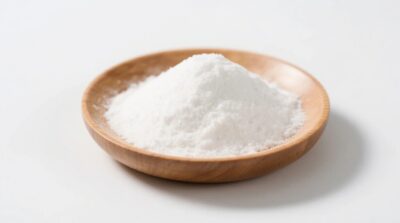
Maltitol Powder
Maltitol powder is a sugar alcohol from non-GMO corn starch with about 90% of…
Stevia Extract Powder
Stevia extract powder is a high-intensity sweetener standardized to ≥95% Rebaudioside A. Zero-calorie and…
Related Posts


