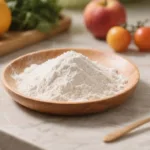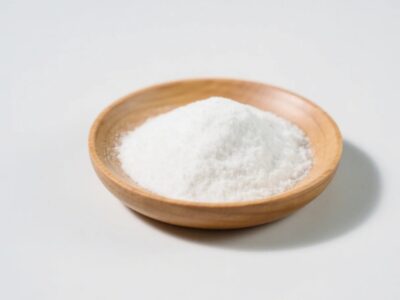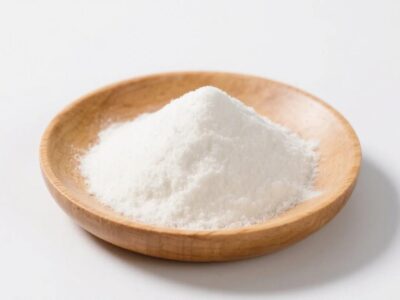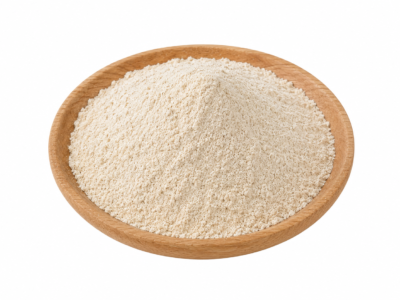
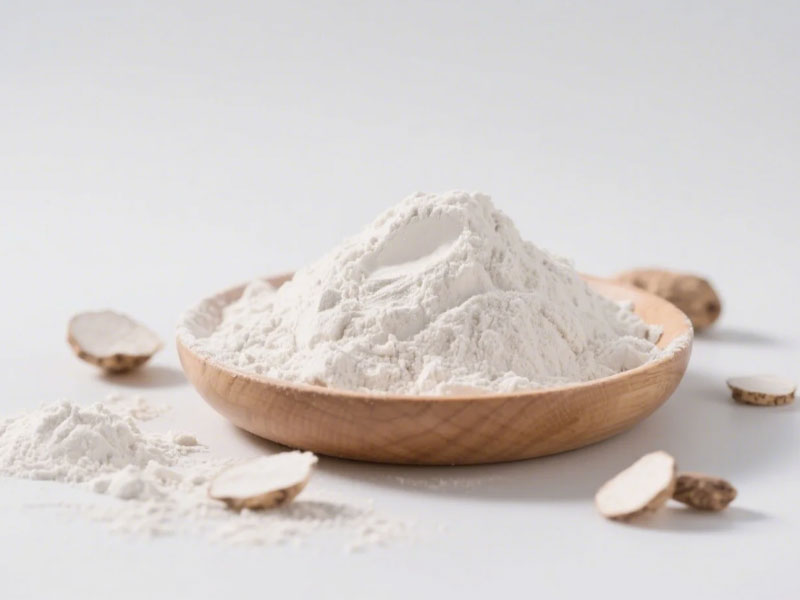
Our konjac flour is a fine, off-white powder milled from the dried corm of Amorphophallus konjac (konjac root or konnyaku imo), cultivated without synthetic pesticides, herbicides, or GMOs. With ≥90% glucomannan content, it is a rich natural source of water-soluble dietary fiber (≥90% glucomannan)—delivering exceptional thickening, gelling, and water-binding capacity at very low usage levels (0.1–1.0%).
Unlike starches or gums, konjac flour forms thermo-irreversible gels in the presence of alkali (e.g., calcium hydroxide or sodium carbonate), making it indispensable for traditional Asian noodles, plant-based seafood, and clean-label meat analogs.
What Is Konjac Flour?
Konjac flour consists primarily of glucomannan, a high-molecular-weight polysaccharide composed of β-(1→4)-linked D-mannose and D-glucose units in a ~1.6:1 ratio. Its unique structure enables:
- Extremely high viscosity (even at 0.5% concentration)
- Synergy with xanthan gum, carrageenan, and agar for elastic gels
- Neutral taste and odor when properly processed
- Very low calorie (~1-2 kcal/g, fermented in colon)
Our konjac flour is produced using mechanical cleaning, milling, and air-classification—without chemical bleaching, acid treatment, or sulfites.
Key Functional & Health Benefits
- Very low calorie & low net carbs: Suitable for keto, paleo, and low-glycemic diets
- High satiety: Swells in stomach, promoting fullness (EFSA-approved health claim)
- Cholesterol & blood sugar support: May help support healthy cholesterol and blood sugar levels
- Gluten-free & allergen-free: Safe for celiac and sensitive consumers
- Water-holding capacity: Binds up to 50-100x its weight in water
- Clean label: Listed simply as “konjac flour” or “glucomannan”
⚠️ Usage Note: Always disperse konjac flour in cold liquid before heating to prevent lumping. For gels, add a small amount of alkali (e.g., pickling lime).
Technical Specifications
| Parameter | Konjac Flour |
|---|---|
| Botanical Source | Amorphophallus konjac |
| Appearance | Off-white to light beige fine powder |
| Odor & Taste | Very mild; no fishy or earthy off-notes |
| Glucomannan Content (Dry Basis) | ≥90% (by enzymatic-gravimetric method) |
| Viscosity (1% solution, 25°C) | ≥25,000 mPa·s (Brookfield, spindle #3, 12 rpm) |
| Moisture Content | ≤10.0% |
| Ash Content | ≤4.0% |
| pH (1% slurry) | 5.0 – 7.0 |
| Particle Size (D[90]) | ≤150 µm |
| Bulk Density | 0.40 – 0.60 g/mL |
| Shelf Life | 24 months (stored sealed in cool, dry place) |
| Heavy Metals (Maximum Limits) | |
| – Lead (Pb) | ≤0.5 mg/kg |
| – Arsenic (As) | ≤0.5 mg/kg |
| – Cadmium (Cd) | ≤0.1 mg/kg |
| – Mercury (Hg) | ≤0.03 mg/kg |
| Microbiological Criteria | |
| – Total Plate Count | ≤10,000 CFU/g |
| – Yeast & Mold | ≤100 CFU/g |
| – Escherichia coli | Absent in 1 g |
| – Salmonella spp. | Absent in 25 g |
| – Listeria monocytogenes | Absent in 25 g |
| Allergen Status | Gluten-Free (<5 ppm), Soy-Free, Dairy-Free, Nut-Free, Corn-Free |
Analytical methods: AOAC 991.43 for dietary fiber; viscosity per ISO 12048. Complies with FDA GRAS (21 CFR 172.859), EU Novel Food regulations (for glucomannan capsules), and JECFA specifications.
Applications
- Shirataki / Konjac Noodles: Primary ingredient for low-calorie pasta alternatives
- Plant-Based Meat & Seafood: Provides bite, juiciness, and moisture retention
- Sauces, Dressings & Soups: Ultra-efficient thickener at low dosage
- Bakery Fillings & Glazes: Prevents syneresis, improves gloss
- Dietary Supplements: Capsules or powders for weight management and digestive health
- Pet Treats: Natural fiber source for digestive wellness in dogs/cats
Pro Tip: Combine with 0.1% xanthan gum to create elastic, chewy textures ideal for vegan calamari or scallops.
Why Choose Our Konjac Flour?
We source konjac corms from certified farms in mountainous regions of China and Southeast Asia, where traditional cultivation ensures high glucomannan content. Our milling facility uses dedicated lines to prevent cross-contamination, and every batch is tested for viscosity, purity, and heavy metals.
We also offer deodorized and ultra-fine grades upon request for sensitive applications like clear beverages.
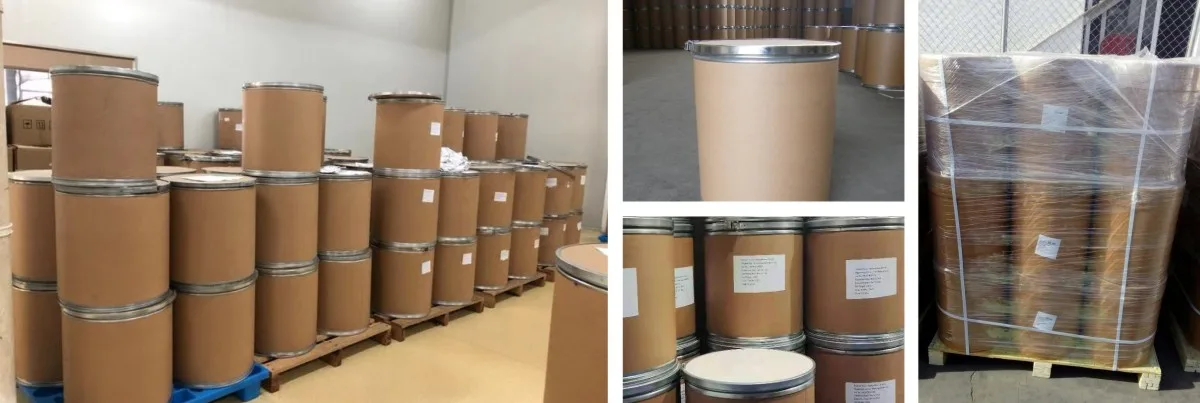
Available packaging:
- 10 kg or 25 kg multi-wall paper bags with food-grade PE liner
- 500 kg–1,000 kg FIBCs for industrial users
- Custom packaging and private labeling available
FAQs
Q: Is konjac flour keto-friendly?
A: Yes! With 0 net carbs and high fiber, it’s ideal for keto and low-carb diets.
Q: Is konjac flour safe for consumption?
A: Yes, konjac flour is generally recognized as safe (GRAS) for food use. Always consume with adequate water and follow recommended usage guidelines.
Q: Can glucomannan replace xanthan gum?
A: Yes—it provides superior thickening and is allergen-free.
Q: Does konjac flour have a taste or odor?
A: Properly processed konjac flour has a neutral taste and very mild odor, making it suitable for a wide range of food applications.
Q: Do you offer private labeling?
A: Yes! Custom branding available for all grades.
Packing