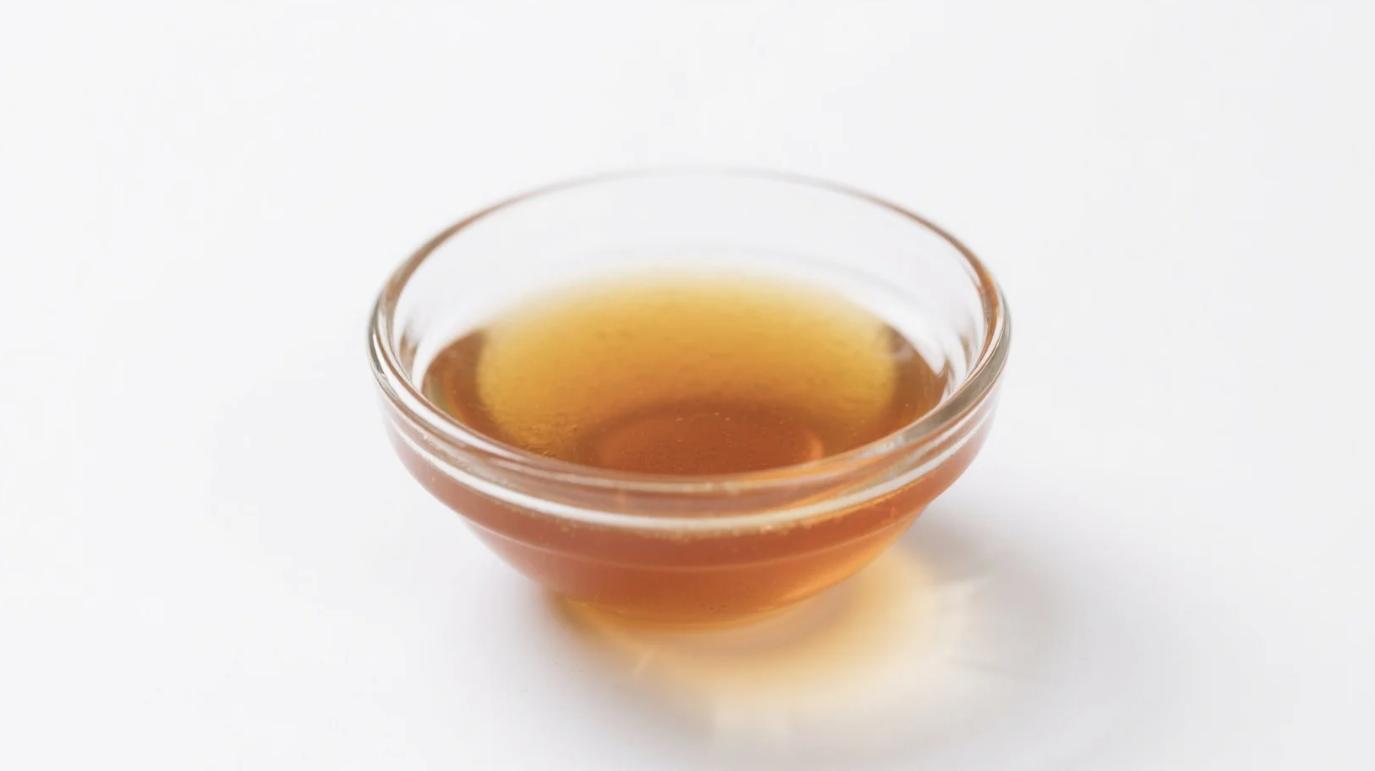
Our certified organic malt syrup is a traditional liquid sweetener produced by enzymatic saccharification of organically grown barley or rice grains during the malting process. Rich in maltose and complex carbohydrates, it delivers mild sweetness, deep caramel-like notes, and excellent browning properties—without refined sugar, high-fructose corn syrup, or artificial additives.
Ideal for clean-label, vegan, and naturally sweetened formulations, our organic malt syrup supports both flavor development and functional performance in baking, brewing, confectionery, and plant-based foods.
What Is Organic Malt Syrup?
Organic malt syrup is made by soaking and germinating organic barley (or rice), which activates natural enzymes (amylases) that break down starch into sugars—primarily maltose (40–60%), along with glucose, dextrins, and oligosaccharides. The resulting wort is gently concentrated under vacuum at low temperatures to preserve flavor and nutritional integrity.
Unlike refined syrups, organic malt syrup retains trace minerals (such as potassium, magnesium, and B vitamins) and has a low Dextrose Equivalent (DE 20–35), providing mild sweetness and functional properties in food formulations.
We offer two base options upon request:
- Barley-based (contains trace gluten; not suitable for celiac)
- Rice-based (naturally gluten-free, ideal for GF applications)
Please specify your preference when ordering.
Also Known As: Names and Synonyms in the Trade
Malt syrup is described under several names in specifications, freight documents and retail labels, and the term a document uses usually says whether it means the liquid itself or the enzyme-active version of it. The list below covers the forms that come up most often in enquiries and technical data sheets.
- Malt extract – the interchangeable term used in regulation and in most technical data sheets
- Barley malt syrup – the barley-based grade, and the name under which the gluten question is normally raised
- Rice malt syrup – the base mashed from rice rather than barley, and the route to a gluten-free declaration
- Non-diastatic malt syrup – the heat-inactivated grade, used for sweetness, colour and body with no live enzyme activity, where its diastatic counterpart keeps the amylases working
- Liquid malt syrup – the trade description that separates the syrup from the dried malt extract sold into dry blends
The name on the label has to match the name on the specification, and the specification has to state the base grain, the dextrose equivalent and whether the enzymes are active. Two offers both called malt syrup can differ on all three, so line those up before treating them as equivalent.
Technical Specifications
| Parameter | Organic Malt Syrup |
|---|---|
| Source | Organic barley or organic rice (as specified) |
| Appearance | Thick, viscous liquid; amber to dark brown |
| Odor & Taste | Characteristic malty aroma; mildly sweet |
| Solids (Brix) | 78–82% |
| Dextrose Equivalent (DE) | 20 – 35 |
| pH (20% solution) | 4.5 – 5.5 |
| Maltose Content | 40 – 60% |
| Glucose + Fructose | ≤10% |
| Ash Content | ≤1.0% |
| Sulfur Dioxide (SO₂) | Not detected (<1 ppm) |
| Shelf Life | 18 months (stored sealed, cool, dry) |
| Heavy Metals (Maximum Limits) | |
| – Lead (Pb) | ≤0.1 mg/kg |
| – Arsenic (As) | ≤0.1 mg/kg |
| – Cadmium (Cd) | ≤0.05 mg/kg |
| – Mercury (Hg) | ≤0.01 mg/kg |
| Microbiological Criteria | |
| – Total Plate Count | ≤1,000 CFU/g |
| – Yeast & Mold | ≤100 CFU/g |
| – Escherichia coli | Absent in 10 g |
| – Salmonella spp. | Absent in 25 g |
| – Listeria monocytogenes | Absent in 25 g |
| Allergen Status | Barley-based: Contains gluten (not GF) Rice-based: Gluten-Free (<5 ppm) |
| Certifications | USDA Organic, EU Organic, Non-GMO Project Verified, Kosher, Halal (available), Gluten-Free Certified (rice version only) |
All testing conducted in ISO 17025-accredited labs using AOAC, ISO, and FCC methods. Complies with FDA 21 CFR and EU food additive regulations.
Sourcing, Certification and Regulatory Status
| Jurisdiction / Standard | Regulatory status | Legal name | Notes |
|---|---|---|---|
| European Union | Food ingredient; organic labelling under Regulation (EU) 2018/848; cereal allergen declaration applies to the barley base | Malt extract | Barley is one of the cereals containing gluten listed in Annex II of Regulation (EU) No 1169/2011 and must be declared when the syrup is barley-based. Under Regulation (EU) No 828/2014 a gluten-free statement is allowed only at or below 20 mg/kg. |
| United States | GRAS as a direct food ingredient | Malt syrup (malt extract) | Affirmed as GRAS at 21 CFR 184.1445 and used as a flavoring agent up to current good manufacturing practice. That entry defines malt syrup from germinated barley, so a rice-based equivalent is not described by it and is handled on its own merits. |
| Japan | Food ingredient; organic labelling through the JAS system | Malt syrup (malt extract) | Handled as an ordinary food ingredient, and barley is not among the items for which allergen labelling is mandatory, although wheat is. Organic claims have to follow the JAS organic requirements for the destination. |
| Codex Alimentarius | Food ingredient; not covered by the Codex sugars standard | Malt extract | Not one of the sugars defined in CXS 212-1999, whose scope names products such as white sugar, glucose syrup, lactose and fructose. Where the base is barley, the gluten-containing cereal has to be declared under CXS 1-1985 (Section 4.2.1.4). |
Compliance turns on the base grain, the solids and DE figures, the sulphite result and the microbiological limits rather than on the naming convention, so those are the values to line up when comparing offers. Confirm the legal name, the organic status and the allergen wording required by the destination market before the first shipment.
Applications
- Bakery: Enhances crust color, volume, and softness in breads, bagels, and pretzels
- Craft Brewing: Natural fermentable sugar source for lagers, ales, and non-alcoholic malt beverages
- Confectionery: Base for chewy candies, malt balls, and nougat
- Breakfast Cereals & Granola: Binder and natural sweetener with clean label appeal
- Plant-Based Meats: Contributes savory depth and browning in meat analogues
- Infant & Clinical Nutrition: Easily digestible carbohydrate source (subject to formulation review)
Format and Grade Selection
Two questions settle a malt syrup specification: which base grain it comes from, and whether the enzymes are still active. Both change the gluten position and the way the syrup behaves in the process.
- Diastatic, enzyme-active – the grade that keeps its amylases and can go on breaking down starch in the mash or in the dough
- Non-diastatic, heat-inactivated – the grade used purely for sweetness, colour and body, where no further starch conversion is wanted
- Dextrose equivalent – the DE band that sets how sweet the syrup reads and how far browning develops on heating
- Barley base – the traditional, fuller-bodied grade, and the one that carries a gluten declaration
- Rice base – the alternative chosen where the finished label has to make a gluten-free claim
- Solids and viscosity – the total solids figure fixes the handling temperature and the pump and dosing setup
Handling Note: A malt syrup at high solids is viscous rather than pourable, so it is metered by weight and normally warmed before pumping. It belongs in the water phase of a formulation, and it cannot be turned into a powder without a separate drying step.
Tell us the base grain, whether the diastatic or the non-diastatic version is wanted, and the application, and we will quote the DE and the packaging that fit it.
Why Choose Our Organic Malt Syrup?
We partner with certified organic grain growers and use traditional malting techniques combined with modern food safety controls. Our production avoids high-temperature degradation, acid hydrolysis, or synthetic enzymes—ensuring a pure, authentic product that meets global organic standards.
Every batch includes full documentation: Certificate of Analysis (CoA), Organic Certificate (specifying barley or rice origin), Allergen Statement, and SDS—for seamless integration into your supply chain and compliance systems.
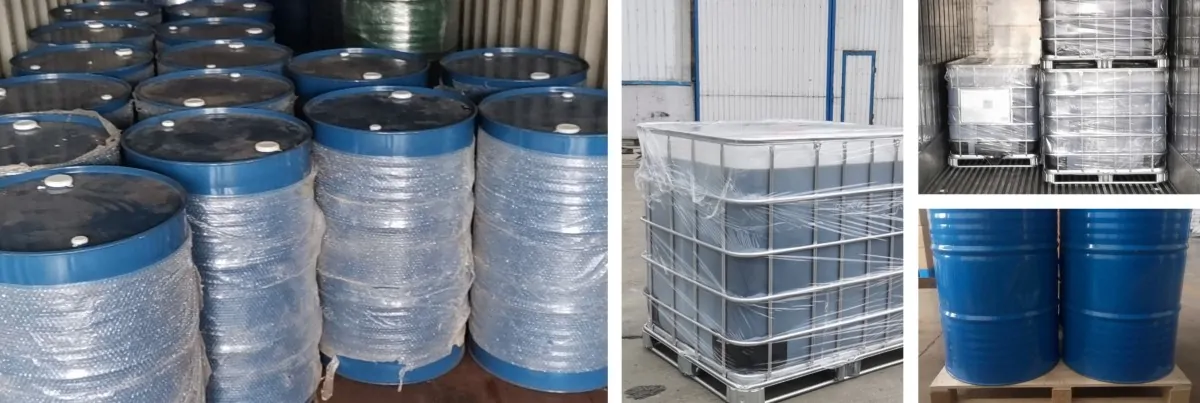
Available packaging:
- 25 kg food-grade HDPE pails with tamper-evident lids
- 300 kg IBC totes (for industrial users)
- Custom drum sizes available upon request
FAQs
Q: What is the main difference between Diastatic and Non-Diastatic Organic Malt Syrup?
A: Diastatic Organic Malt Syrup contains active enzymes (amylase) that can break down starches into sugars, making it ideal for baking (to aid fermentation and crust development) and brewing. Non-Diastatic Organic Malt Syrup has had its enzymes denatured (inactivated) through heat, so it’s used purely for its sweetness, flavor, color, and functional properties like binding and humectancy, without affecting fermentation rates.
Q: Is Organic Malt Syrup gluten-free?
A: Typically, Organic Malt Syrup is derived from barley, which contains gluten. Therefore, it is generally not considered gluten-free. If a gluten-free option is required, please inquire about our specialized organic malt syrups derived from gluten-free grains like rice or corn.
Q: What’s the typical shelf life and recommended storage for bulk quantities?
A: Our Organic Malt Syrup typically has a shelf life of 12-24 months from the manufacturing date when stored in a cool, dry place, away from direct sunlight and extreme temperatures, in its original sealed containers.
Q: How does Organic Malt Syrup compare in sweetness to sugar (sucrose)?
A: Organic Malt Syrup is less sweet than sucrose, typically ranging from 30% to 60% of sucrose’s sweetness, depending on the specific grade and composition of sugars. This allows for a more balanced flavor profile in finished products.
Q: Can Organic Malt Syrup be used as a natural browning agent?
A: Yes, Organic Malt Syrup is an excellent natural browning agent. Its high content of reducing sugars (like maltose and glucose) readily participates in the Maillard reaction during heating, contributing to desirable golden-brown crusts and rich flavors in baked goods and other cooked applications.
Packing