
The Sweetener Landscape — Why Comparisons Matter
The sweetener aisle has grown more complex than ever. Ten years ago, most consumers chose between sugar and a handful of artificial options. Today, the landscape includes natural zero-calorie sweeteners, rare sugars, sugar alcohols, and high-intensity extracts — each with distinct properties, taste profiles, and functional behaviors.
For food manufacturers and home bakers alike, the question is no longer simply “Is this sweet?” It has become: “How does this sweetener perform in my recipe? What happens at high temperatures? Will my customers notice an aftertaste? What does the label say?”
This comparison guide examines seven of the most widely used sweeteners — organic erythritol, allulose, xylitol, stevia, monk fruit, maltitol and sorbitol, and conventional sugar — across the dimensions that matter most: sweetness intensity, caloric content, glycemic impact, digestive tolerance, baking performance, cost, and market positioning. Whether you are formulating a new keto protein bar or simply looking for the best sweetener for your morning coffee, understanding these differences helps you make an informed choice.
For a deeper look at erythritol’s production methods, chemistry, and nutritional fundamentals, our Complete Guide covers what formulators and consumers need to know.
Erythritol vs. Sugar
Sugar — sucrose — remains the gold standard for sweetness, mouthfeel, and functional performance in food. It provides 4 calories per gram, has a glycemic index of 65, and delivers the clean, familiar sweetness that consumers expect. It also contributes to browning, caramelization, moisture retention, and texture in baked goods.
Erythritol offers a very different profile. With roughly 70% of sugar’s sweetness by weight and only 0.24 calories per gram, it provides sweetness with virtually no caloric load. Its glycemic index is zero, meaning it does not raise blood glucose or insulin levels — a significant advantage for people managing diabetes or following ketogenic diets.
The taste of erythritol is clean and sugar-like, but it produces a mild cooling sensation on the tongue — a property some consumers notice and others do not. In baking, erythritol does not brown or caramelize the way sugar does, so recipes may need adjustment for color and texture. It also does not retain moisture as effectively, which can lead to drier baked goods unless offset with additional liquid or fat.
From a label perspective, erythritol has a key advantage over sugar: it can be listed as a natural sweetener with negligible calories, aligning with clean-label trends and consumer demand for reduced-sugar products. Manufacturers seeking a certified-organic bulk sweetener can explore Organic Erythritol Powder for both industrial and retail applications.
Erythritol vs. Allulose
Allulose has emerged as one of erythritol’s strongest competitors in the natural sweetener space. As a rare sugar found naturally in small quantities in figs, raisins, and maple syrup, allulose delivers about 70% of sugar’s sweetness — very close to erythritol — but with a smoother mouthfeel and no cooling sensation.
Allulose contains approximately 0.4 calories per gram (the FDA allows labeling at 0.4 kcal/g in the U.S.), while erythritol provides 0.24 calories per gram. Both are considered virtually calorie-free for practical purposes. Allulose has a glycemic index of zero and does not raise blood sugar.
Where allulose truly differentiates itself is in baking performance. Unlike erythritol, allulose browns and caramelizes similarly to sugar, making it ideal for cookies, cakes, sauces, and glazes. It also retains moisture better than erythritol, resulting in softer, more traditional textures. However, allulose is significantly more expensive — often two to three times the cost of erythritol — and its commercial availability remains more constrained.
Digestive tolerance is another point of comparison. Both sweeteners are generally well-tolerated, but some individuals report bloating or mild GI discomfort with large doses of allulose. Erythritol, which is absorbed in the small intestine and excreted unchanged in urine, tends to cause fewer digestive issues for most people — a point explored further in our Health & Safety article.
Erythritol vs. Xylitol
Xylitol shares erythritol’s sugar-alcohol classification but differs in several important ways. Both provide a sugar-like sweetness with similar bulk and mouthfeel. Xylitol matches sugar one-to-one in sweetness, making it slightly sweeter than erythritol’s 70% potency.
The most significant difference lies in digestive tolerance. Xylitol is partially fermented by gut bacteria in the large intestine, which can cause gas, bloating, and diarrhea at moderate doses — typically above 30 to 50 grams per day. Erythritol, by contrast, is largely absorbed in the small intestine and excreted unchanged, resulting in better digestive tolerance for most individuals.
Xylitol carries approximately 2.4 calories per gram, compared to erythritol’s 0.24. Its glycemic index is low (13) but not zero, making erythritol the better choice for those strictly monitoring blood glucose.
A critical safety consideration sets xylitol apart: it is highly toxic to dogs, even in small amounts. Erythritol does not carry this risk, making it a safer choice for households with pets.
On cost, xylitol is generally less expensive than erythritol, and it performs well in baking applications where browning and moisture retention matter. Many manufacturers blend the two to balance cost, sweetness, and digestive tolerance.
Erythritol vs. Stevia
Stevia, extracted from the leaves of the Stevia rebaudiana plant, belongs to a different category entirely. As a high-intensity sweetener, stevia is approximately 200 to 350 times sweeter than sugar by weight — meaning only a tiny amount is needed to achieve significant sweetness.
This high potency creates both advantages and challenges. On the positive side, stevia adds virtually no calories or bulk, making it extremely cost-effective for sweetness delivery. It has a glycemic index of zero and is suitable for keto and diabetic diets.
The main drawback is taste. Stevia has a characteristic licorice-like aftertaste that many consumers find bitter or unpleasant, especially at higher concentrations. Masking this aftertaste often requires blending with other sweeteners or flavor modifiers, which adds complexity and cost to product formulation.
Erythritol and stevia are frequently blended together — not as competitors but as complementary ingredients. Erythritol provides bulk, texture, and sugar-like mouthfeel, while stevia boosts sweetness to desired levels. This synergistic relationship makes them a popular pairing in commercial keto products, protein bars, and sugar-free beverages.
Erythritol vs. Monk Fruit
Monk fruit extract (luo han guo) is another high-intensity sweetener, typically 150 to 250 times sweeter than sugar. Like stevia, it contains zero calories, has a glycemic index of zero, and is derived from a natural plant source.
Monk fruit generally has a cleaner taste profile than stevia, with less bitterness and a more sugar-like finish. However, it can sometimes carry a subtle fruity aftertaste that formulators find challenging in neutral-flavored applications.
The biggest practical difference is cost. Monk fruit extract is among the most expensive natural sweeteners on the market, sometimes costing several times more than stevia and dramatically more than erythritol or xylitol. This price premium limits its use as a standalone bulk sweetener; it is almost always blended with erythritol or other bulking agents.
The erythritol-monk fruit combination has become a staple in consumer packaged goods, offering good sweetness, clean taste, and acceptable economics. Erythritol supplies the bulk and texture, while monk fruit delivers high-intensity sweetness with a reasonably clean finish.
Erythritol vs. Maltitol and Sorbitol
Maltitol and sorbitol are two of the oldest and most widely used sugar alcohols in processed foods. Both provide bulk sweetness with fewer calories than sugar — maltitol at roughly 2.1 calories per gram and sorbitol at 2.6 — and both have glycemic indexes lower than sugar but higher than erythritol.
The primary concern with maltitol and sorbitol is digestive tolerance. Both are extensively fermented in the large intestine, producing gas and drawing water into the bowel through an osmotic effect. Consumption of even moderate amounts can cause significant bloating, cramping, and diarrhea. For this reason, products containing maltitol and sorbitol often carry warning labels about laxative effects in several jurisdictions.
Erythritol’s superior digestive tolerance gives it a meaningful advantage in consumer-facing products where repeat purchase depends on the eating experience. Many food manufacturers have shifted away from maltitol and sorbitol toward erythritol-based formulations for precisely this reason. The Industrial Applications article examines this trend across commercially processed food categories.
From a formulation standpoint, maltitol performs well in chocolate and confectionery — applications where erythritol’s cooling sensation can sometimes be noticeable. Sorbitol is inexpensive and effective as a humectant, though its laxative effects restrict usable quantities.
Comparison Table — All 7 Sweeteners
| Sweetener | Sweetness (% of Sugar) | Calories (per gram) | Glycemic Index | Cost Tier | Best Use |
|---|---|---|---|---|---|
| Sugar (Sucrose) | 100% | 4.0 | 65 | Low | Universal reference; traditional baking |
| Erythritol | 60–70% | 0.24 | 0 | Medium | Keto baking, beverages, bulking sweetener |
| Allulose | 70% | 0.4 | 0 | High | Sugar-like baking, browning applications |
| Xylitol | 100% | 2.4 | 13 | Medium-Low | Oral care, baking where bulk matters |
| Stevia | 200–350× | 0 | 0 | Low (per sweetness) | High-intensity boost; best when blended |
| Monk Fruit | 150–250× | 0 | 0 | Very High | Premium blends, clean-taste boost |
| Maltitol / Sorbitol | 50–90% | 2.1–2.6 | 35–52 | Low | Confectionery, economical bulking |
Cost tiers reflect bulk ingredient pricing relative to peers. Stevia and monk fruit cost per unit of sweetness delivered, not per-gram weight comparison, due to their high intensity.
Market Trends — Clean-Label, Keto, and Regulatory Dynamics
The global alternative sweetener market continues to expand, driven by consumer demand for reduced-sugar, clean-label, and functional products. Several intersecting trends are shaping which sweeteners gain adoption and which lose ground.
The ketogenic diet has become a major demand driver. Sweeteners with zero glycemic impact — erythritol, allulose, stevia, and monk fruit — benefit directly, as keto consumers actively avoid ingredients that raise blood glucose. Our Consumer Uses article details how erythritol fits into weight management and low-carb eating patterns.
Clean-label preferences are pushing manufacturers away from artificial sweeteners like aspartame, sucralose, and acesulfame potassium toward naturally derived alternatives. Erythritol, stevia, monk fruit, and allulose all qualify as natural-sourced ingredients, though definitions vary by jurisdiction.
Regulatory developments add another layer. Allulose has received favorable treatment in the U.S., Japan, and Mexico, but it is not yet approved in the European Union or the United Kingdom, restricting its global reach. Erythritol enjoys broader international regulatory acceptance, with approvals spanning the EU, U.S., Japan, Australia, and many other markets. Stevia and monk fruit are also widely approved, though labeling and purity requirements differ across regions.
Cost pressure remains a consistent theme. Ingredient buyers seek the best balance of taste performance and unit economics, which often pushes formulation toward blends — combining a bulk sweetener like erythritol with a high-intensity sweetener such as stevia or monk fruit to optimize both mouthfeel and cost.
How to Choose the Right Sweetener for Your Product
Choosing a sweetener requires weighing multiple factors simultaneously. Here is a practical framework for decision-making.
First, define the primary goal. Is it calorie reduction, blood sugar management, clean-label positioning, or cost optimization? The answer shapes the shortlist immediately. For zero glycemic impact, choices narrow to erythritol, allulose, stevia, and monk fruit. For cost sensitivity, xylitol and maltitol become more relevant.
Second, consider the application. Baking at high temperatures? Allulose performs best for browning, though erythritol works with recipe adjustments. Chocolate and confectionery? Maltitol has formulation advantages in these categories, while erythritol’s cooling effect can be a concern. Cold beverages? Erythritol dissolves well and its cooling sensation is often a feature rather than a drawback.
Third, evaluate digestive tolerance. If your product will be consumed in significant quantities — such as a protein bar or packaged dessert — erythritol typically causes fewer GI issues than xylitol, maltitol, or sorbitol. This matters directly for product reviews and repeat purchases.
Fourth, assess cost and supply chain stability. Allulose and monk fruit carry premium price tags and may face supply constraints. Erythritol and xylitol are more economical bulk options. For manufacturers evaluating large-scale adoption, the Sourcing Guide discusses quality factors, certifications, and sourcing considerations that affect ingredient consistency.
Finally, consider blending. The most successful commercial sugar-free products rarely use a single sweetener. Blending erythritol with stevia or monk fruit achieves both the bulk texture of sugar and the sweetness intensity consumers expect. Blending erythritol with allulose can deliver better browning and moisture retention while managing costs effectively.
There is no single best sweetener — only the best fit for a specific product, audience, and budget. Understanding these trade-offs is what separates successful product development from reformulation cycles that miss the mark. For personalized guidance on sweetener selection for your product line, reach out through our Contact Us page for formulation support.
Recommended Products
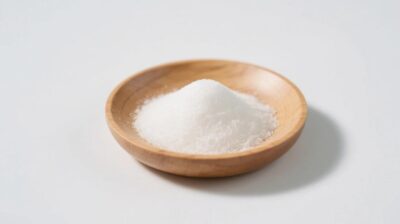
Organic Erythritol Powder
Organic erythritol powder is a certified-organic sugar alcohol produced by fermenting organic glucose, delivering…
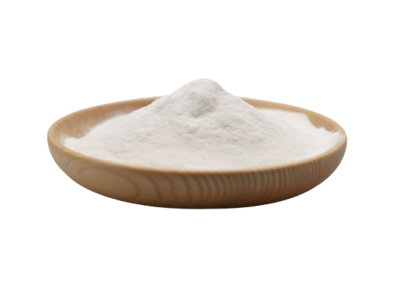
Stevia Extract Powder
Stevia extract powder is a high-intensity sweetener standardized to ≥95% Rebaudioside A. Zero-calorie and…


