
Finding a sugar substitute that works in real recipes — not just in coffee — is a challenge. Most alternatives fail when heat is applied, or they leave a bitter aftertaste. Organic xylitol stands apart because it behaves predictably in the kitchen, measures exactly like sugar, and dissolves cleanly in both hot and cold drinks. It is a practical tool for anyone who wants to reduce refined sugar without giving up home baking and daily beverages.
This guide covers the most effective ways to use organic xylitol powder at home.
Why Home Cooks Choose Xylitol
The main reason home cooks reach for xylitol is simplicity: it is a 1:1 replacement for granulated sugar by volume. One cup of xylitol replaces one cup of sugar in most recipes without requiring complex conversions. Sugar does more than sweeten — it adds volume, texture, and structural support to baked goods. Many sugar substitutes fall short because they cannot replicate that physical bulk. Xylitol can, because its crystal size and weight per cup are nearly identical to cane sugar.
Taste is the second reason. Xylitol delivers approximately 100% of the sweetness of sucrose without the metallic or bitter notes that plague stevia and certain artificial sweeteners. Some people detect a very slight cooling sensation on the tongue. In most recipes, this effect is either undetectable or pleasantly mild.
The third reason is stability. Xylitol does not react with other common ingredients in unpredictable ways, and it does not clump from ambient humidity as aggressively as some sugar alcohols.
For those new to sugar alternatives, starting with a product that behaves like the ingredient it replaces removes an entire layer of learning. That is the appeal of BIOSTARCH’s organic xylitol powder: it measures, pours, and stores like sugar, so the transition feels natural rather than experimental.
Baking With Xylitol
Baking is where most sugar substitutes fail. Xylitol performs well, but it does require an understanding of what sugar does in a recipe and where xylitol behaves differently.
The Key Differences From Sugar
Sugar performs three roles in baking: sweetening, tenderizing, and browning. Xylitol handles the first two roles well. The third — browning — is where you will notice a difference.
Xylitol does not caramelize or form the golden-brown crust that sugar creates on cookies, cakes, and muffins. Baked goods made with xylitol will look paler than their sugar-based counterparts. Some bakers add a small amount of cinnamon or use a slightly higher oven temperature for the final minutes, but the crust will never look quite the same.
Sugar also holds moisture through hygroscopicity. Xylitol is also mildly hygroscopic and acts as a humectant, so xylitol-based baked goods tend to stay moist for several days longer than sugar-based versions.
Ratios and Measurement
The standard substitution ratio is 1 cup xylitol for 1 cup granulated sugar. By weight, the ratio is slightly different: a cup of granulated xylitol weighs about 192 grams, versus roughly 200 grams for a cup of sugar. If you bake by weight rather than volume, use about 95 grams of xylitol for every 100 grams of sugar called for in the recipe.
For recipes that rely on sugar for volume — such as angel food cake or certain frostings — xylitol works well because it provides the same physical bulk. For recipes that rely on sugar for browning — such as creme brulee or pecan pie — xylitol is not the right choice.
Cookie, Cake, and Muffin Tips
Cookies are the most forgiving starting point for xylitol baking. The dough comes together the same way, and the cookies spread and set in a familiar pattern. Because xylitol does not brown, aim for a light golden color at the edges as your doneness cue rather than waiting for the entire surface to darken. Press the center of a cookie lightly; if it springs back, it is done.
Cakes and muffins made with xylitol rise normally because xylitol does not interfere with leavening agents. The crumb structure is comparable, though the crust will be lighter in color. If the recipe includes chocolate, xylitol pairs especially well because the slight cooling effect complements the richness of cocoa.
Managing the Cooling Effect
Xylitol absorbs heat as it dissolves, creating a cooling sensation in the mouth. In most baked goods, this effect is minimal because the xylitol has already dissolved during mixing or baking. In recipes where xylitol remains partially crystalline — such as powdered sugar substitutes for dusting — the cooling effect is more noticeable. If this bothers you, dissolving the xylitol in a small amount of warm liquid before incorporating it reduces the sensation.
Sweetening Beverages
Xylitol dissolves readily in both hot and cold liquids, which makes it versatile for everyday drinks.
Hot Beverages
In hot coffee, tea, or herbal infusions, xylitol dissolves completely within seconds of stirring. It does not leave a gritty residue the way some granulated sugar substitutes can. The sweetness profile is clean — there is no lingering aftertaste.
A typical starting dose is 1 to 2 teaspoons per 8-ounce cup, adjusted to taste. One note for coffee drinkers: xylitol does not balance acidity the way sugar does. The coffee will taste slightly different, though not in a way most people find unpleasant.
Cold Beverages and Smoothies
Xylitol dissolves more slowly in cold liquids than sugar does. For iced tea, lemonade, or cold brew coffee, stir the xylitol into a small amount of warm water first to create a simple syrup, then add it to the cold drink. This prevents crystals from settling at the bottom of the glass.
For smoothies, add xylitol directly to the blender. A useful ratio is 1 to 2 teaspoons per 12-ounce smoothie, depending on the natural sweetness of the fruit.
Tracking Daily Intake
Because xylitol has a laxative threshold for some people, it is worth tracking total daily intake across all sources. For beverage use alone, 2 to 3 teaspoons spread across the day is a reasonable range for most adults. The complete guide to daily xylitol use covers tolerance levels and how to increase dosage safely.
Oral Care at Home
Xylitol’s role in oral health is the most well-documented benefit of this ingredient. The mechanism is straightforward: the bacteria in dental plaque, particularly Streptococcus mutans, cannot metabolize xylitol the way they metabolize sugar. When plaque is exposed to xylitol instead of sucrose, the bacteria produce less acid and are less able to adhere to tooth surfaces.
DIY Xylitol Mouthwash
Making a xylitol mouthwash at home requires only two ingredients and takes less than five minutes.
Recipe: Basic Xylitol Mouthwash
- 1 cup (240 ml) warm distilled water or boiled-then-cooled water
- 1 to 2 tablespoons organic xylitol powder
- Optional: 2 to 3 drops of food-grade peppermint oil
Stir the xylitol into the warm water until fully dissolved. Add peppermint oil if using. Store in a sealed glass bottle in the refrigerator. Shake before each use. Use approximately 1 tablespoon for rinsing, swish for 30 seconds, and spit out. Do not swallow. Replace the batch every 7 to 10 days.
Xylitol in Toothpaste and Gum
Some people stir a small pinch of xylitol powder directly into their toothpaste on the brush before brushing. The amount is small — less than 1/8 teaspoon — and the goal is to increase the xylitol concentration in the mouth during brushing rather than to sweeten the paste.
For gum and mints, read the ingredient label. The effective range for oral health is 5 to 10 grams of xylitol per day, divided across multiple exposures. Check the ingredient order: xylitol should be the first or second ingredient. Products that list xylitol first deliver a meaningful dose; those that list it after sugar or multiple artificial sweeteners do not.
The article Smile Brighter: The Surprising Oral Health Benefits of Organic Xylitol explains the dental research in more detail.
Dairy and Frozen Desserts
Xylitol changes the freezing behavior of dairy-based mixtures in ways that are useful once understood.
Ice Cream and Sorbet
Sugar lowers the freezing point of ice cream bases so that homemade ice cream has a scoopable texture rather than freezing into a solid block. Xylitol also lowers the freezing point, though slightly less efficiently than sucrose. The result is ice cream that freezes a bit firmer than the sugar version.
To compensate, many home cooks add a small amount of vegetable glycerin (1 to 2 teaspoons per quart of base) or increase the proportion of cream relative to milk. Alternatively, simply let the container sit at room temperature for 5 minutes before scooping.
The flavor of xylitol ice cream is clean and sweet. Because xylitol does not crystallize as it refreezes, leftover ice cream that has partially melted and been refrozen has a less grainy texture than sugar-based ice cream.
Yogurt and Parfaits
Stirring xylitol into plain yogurt is straightforward. The powder dissolves readily with a few seconds of stirring. A practical dose is 1/2 to 1 teaspoon per 6-ounce serving. For parfaits and layered desserts, xylitol-sweetened yogurt holds its texture well overnight in the refrigerator and does not weep or separate the way honey sometimes does.
Daily Dosage Guidance
Xylitol is generally well tolerated, but it has a laxative threshold that varies by individual. Unlike sugar, which is rapidly absorbed in the small intestine, xylitol is absorbed slowly and partially. Unabsorbed xylitol passes into the large intestine, where it can draw water into the bowel.
Effective Dental Dose
Research on xylitol and oral health commonly cites a daily range of 5 to 10 grams, divided across at least three exposures throughout the day. This dosing pattern keeps salivary xylitol levels elevated across waking hours.
For reference:
- 1 teaspoon of xylitol powder weighs approximately 4 grams
- 1 tablespoon weighs approximately 12 grams
- One piece of xylitol gum typically contains 1 to 1.5 grams
Laxative Threshold Awareness
The laxative threshold for xylitol varies widely. Some people tolerate 30 to 40 grams per day without issue; others notice effects at 10 to 15 grams. The threshold changes with regular use — people who consume xylitol daily tend to develop greater tolerance over several weeks.
A sensible approach for new users is to start with 5 grams per day (roughly 1.25 teaspoons) and increase gradually over two to three weeks while monitoring tolerance.
Readers interested in how xylitol affects gut bacteria compared to other sweeteners can consult Does Xylitol Destroy Gut Bacteria? for a balanced comparison.
Xylitol and Pets — A Critical Safety Note
Xylitol is toxic to dogs. Even small amounts can cause a rapid insulin release leading to hypoglycemia, and in some cases liver failure. Keep all xylitol-containing products out of reach of dogs. This species-specific toxicity affects dogs at doses as low as 0.1 grams per kilogram of body weight. If a dog has consumed any xylitol product, contact a veterinarian immediately.
Storage and Shelf Life
Organic xylitol powder is stable when stored correctly. The main enemies are moisture and strong odors.
Store xylitol in a cool, dry place in a sealed container. A glass jar with a tight-fitting lid works well. Xylitol is less hygroscopic than some sugar alcohols, but it will clump if exposed to high humidity. If clumps form, break them up with a spoon or pulse the powder briefly in a dry blender.
Refrigeration is not necessary, but it does no harm. Some people prefer refrigerator storage during humid summer months.
Properly stored organic xylitol has a shelf life of 36 months from the date of manufacture. It is a stable crystalline compound that does not support microbial growth. Check the manufacturing date when purchasing, and use within three years for best quality. The guide to choosing xylitol for diabetic-friendly diets includes a section on what to look for on product labels.
Shopping Guide
Not all xylitol products are equivalent. Several quality markers distinguish a reliable product from one that may cause problems in baking or oral care use.
USDA Organic Certification
Organic certification ensures that the xylitol is derived from organic plant sources and processed without prohibited synthetic pesticides or fertilizers. The certification also requires traceability through the supply chain.
Purity Level
High-quality xylitol powder is at least 99.5% pure. The remaining 0.5% consists of trace moisture and harmless processing residues. Lower-purity products may contain higher levels of other sugar alcohols such as maltitol or arabitol, which have different digestive tolerance profiles.
Purity information is sometimes printed on the package and sometimes available only through a certificate of analysis (CoA). Reputable suppliers provide CoAs on request. BIOSTARCH publishes purity data and makes batch-specific documentation available to buyers who request it.
Crystal Size and What to Avoid
Xylitol is available in granulated and powdered forms. Granulated (similar in size to table sugar) is the standard choice for baking and beverage sweetening. Powdered xylitol dissolves faster and is useful for dusting baked goods or making mouthwash. For general home use, granulated is the more versatile option.
Avoid products that do not list the country of origin, lack an ingredient statement, or list “sugar” or “dextrose” as additional ingredients. Also avoid products making therapeutic claims such as “cures gum disease.” Xylitol is a food ingredient, not a drug.
Those interested in how commercial food manufacturers select xylitol for sugar-free product lines can read Is Xylitol the Natural Sweetener Your Sugar-Free Product Is Missing? for an overview of industrial application criteria.
About Our Organic Xylitol
BIOSTARCH supplies organic xylitol powder that meets USDA Organic standards and tests at 99.5% purity or higher. The product is derived from organic corn cob or birch wood sources and is processed without synthetic solvents. Each batch is accompanied by a certificate of analysis.
The xylitol is available in granulated and powdered forms, in packaging from retail pouches to bulk bags. For home cooks, the 1 kg and 500 g resealable pouch formats are the most practical sizes.
BIOSTARCH also provides technical support for customers who want guidance on using xylitol in specific applications.
To view the product page and specifications, visit the Organic Xylitol product page.
Recommended Products
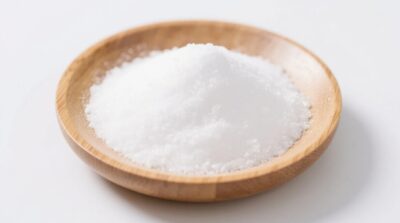
Organic Xylitol Powder
Organic xylitol is a certified-organic sugar alcohol from non-GMO plant fiber. With about 40%…
Related Posts