
The global sweetener market has transformed as health-conscious consumers and sugar taxes drive demand for alternatives. The sugar alcohol segment alone represents a multi-billion-dollar industry. Product formulators, procurement specialists, and brand owners face a complex decision matrix when selecting sugar alternatives. This comparison examines five leading options across their functional properties, metabolic impacts, formulation characteristics, and market positioning.
The Sugar Alcohol and Zero-Cal Sweetener Market Landscape
The shift away from refined sugar has become a mainstream dietary preference backed by public health initiatives, sugar taxes in over 50 countries, and reformulation targets from major food brands. The global sugar substitutes market is projected to exceed $24 billion by 2027, with sugar alcohols and natural high-intensity sweeteners capturing the largest share of new product launches.
Three factors drive comparative analysis between xylitol and its competitors. First, the clean label movement has redefined how consumers evaluate ingredient lists. Second, glycemic performance has become a critical differentiator as low-carb and ketogenic diets maintain popularity. Third, formulation constraints—including bulk requirements, browning capacity, and moisture management—dictate which sweeteners work in specific applications.
Xylitol occupies a unique position, offering a rare combination of sugar-like properties, dental benefits, and moderate caloric reduction. It faces intense competition from erythritol’s zero-calorie proposition, sorbitol’s ultra-low cost, maltitol’s sugar-like functionality, and stevia’s intense sweetness with zero metabolic impact.
Master Comparison Table
The following table provides a quick-reference comparison of the five sweeteners across the most critical selection criteria. Values represent typical ranges and may vary based on specific product grades and manufacturing sources.
| Criteria | Xylitol | Erythritol | Sorbitol | Maltitol | Stevia (High Purity) |
|---|---|---|---|---|---|
| Sweetness Relative to Sucrose | 100% | 70% | 60% | 90% | 200-300x |
| Calories per Gram | 2.4 | 0.2 | 2.6 | 2.1 | 0 |
| Glycemic Index | 7-13 | 0-1 | 9 | 35 | 0 |
| Dental Benefits | Excellent (inhibits S. mutans) | Moderate (non-fermentable) | None (fermentable) | Minimal | Excellent (non-fermentable) |
| Digestive Tolerance (single dose) | ~30-40g (unadapted) | ~50g | ~20-30g | ~30-40g | No impact |
| Cooling Effect | High | Very high | Moderate | Low | Moderate-high |
| Browning (Maillard Reaction) | Yes | No | Minimal | Yes | No |
| Bulk Contribution | 1:1 with sugar | 0.7:1 | 1:1 | 1:1 | None (needs bulking agent) |
| Approximate Cost (USD/kg) | $4-7 | $3-5 | $1.5-3 | $2-4 | $15-30 (use minuscule amounts) |
| Organic Certification Availability | Yes | Yes | Limited | Limited | Yes |
| Aftertaste | None | None (cooling sensation) | None | Slightly chemical | Licorice/bitter (varies) |
| Keto-Friendly | Yes (moderate) | Yes (excellent) | No | No | Yes (excellent) |
| Stability in Baking | Good | Poor (no browning, strong cooling, recrystallizes) | Good | Excellent | N/A (used with bulking agent) |
This table illustrates why no single sweetener dominates every application. Xylitol offers the strongest overall balance among the polyols compared here for products emphasizing dental health and sugar-like functionality. Erythritol wins on calories and glycemic performance. Sorbitol dominates cost-sensitive applications. Maltitol offers the closest functional match to sugar for commercial baking. Stevia provides sweetness without calories but requires careful blending.
Xylitol vs Erythritol: Head-to-Head
The comparison between xylitol and erythritol deserves particular attention as the two most frequently debated sugar alcohols in health-conscious formulation. Both occur naturally in fruits and vegetables, have low glycemic impact, and are popular in dental health products — yet their differences are substantial.
Dental Advantage of Xylitol
Xylitol’s most well-documented advantage over erythritol is its specific mechanism of action against cariogenic bacteria. Streptococcus mutans cannot metabolize xylitol. When S. mutans attempts to process xylitol, it expends energy without gaining fuel, reducing its population and acid production. Clinical studies demonstrate that regular xylitol consumption reduces plaque formation, lowers cavity risk, and supports enamel remineralization.
Erythritol is also non-fermentable by oral bacteria and does not contribute to tooth decay. However, the evidence for a direct antibacterial mechanism is weaker for erythritol than for xylitol, which is what makes xylitol especially valuable for oral care applications. For brands making dental health claims, xylitol provides stronger scientific backing.
Erythritol’s Zero-Calorie Edge
Erythritol’s primary advantage over xylitol is its negligible calorie contribution—approximately 0.2 calories per gram compared to xylitol’s 2.4 calories per gram. For consumers counting every calorie, erythritol delivers approximately 95% fewer calories than sugar, while xylitol provides about 40% fewer calories. This difference drives erythritol’s popularity in weight management products.
Additionally, erythritol has a glycemic index of essentially zero, compared to xylitol’s low-but-measurable GI of 7-13. For individuals with strict glycemic management requirements, erythritol presents a safer choice.
Cooling Effect and Flavor Profile
Both xylitol and erythritol exhibit a cooling sensation when they dissolve, but the intensity differs markedly. Erythritol produces a pronounced cooling effect that works well in mint products, chewing gum, and summer beverages, but may seem strange in baked goods. Xylitol’s cooling effect is subtler and less likely to interfere with flavor expectations.
Xylitol’s flavor profile is widely considered the closest of any sugar alcohol to real sugar. Neither sweetener has a significant aftertaste.
Blending Strategies
Many formulators blend xylitol and erythritol to optimize cost, calorie profile, and functional performance. A common ratio is 70% xylitol to 30% erythritol, which reduces overall calories while maintaining acceptable bulk and minimizing the intense cooling effect of pure erythritol. Such blends work particularly well in tabletop sweeteners. For brands considering erythritol as a primary or secondary sweetener, organic erythritol powder offers similar organic certification and clean-label advantages.
For applications prioritizing dental claims, a higher xylitol percentage is warranted. For keto products where every gram of carbohydrate matters, erythritol-heavy blends may be preferable.
Xylitol vs Sorbitol
Sorbitol is the most established sugar alcohol in commercial food production, with decades of use in sugar-free candies, diabetic foods, and pharmaceutical excipients. Its primary competitive advantage is cost—sorbitol typically costs 30-50% less than xylitol, making it attractive for high-volume, price-sensitive applications.
Glycemic Index Comparison
Both xylitol and sorbitol have low glycemic indices compared to sugar (GI 65). Sorbitol’s GI of approximately 9 is slightly lower than xylitol’s 7-13 range, but this difference is marginal and unlikely to influence product selection except for the most stringent glycemic control markets. Both sweeteners are suitable for diabetic-friendly products, though xylitol’s additional dental benefits often justify its higher cost in premium positioning.
Laxative Threshold and Digestive Tolerance
Sorbitol is notorious for its laxative effect at relatively low doses. Many individuals experience gastrointestinal discomfort after consuming as little as 20-30 grams of sorbitol in a single serving. Xylitol’s laxative threshold is generally higher, with most unadapted adults tolerating roughly 30-40 grams before experiencing symptoms, and tolerance increases with regular use. This improved digestive tolerance makes xylitol more suitable for products where single-serving consumption may approach meaningful sweetener quantities.
The mechanism behind these differences relates to how the body absorbs each sugar alcohol. Xylitol absorption is more efficient, leaving less unabsorbed material to ferment in the colon. Sorbitol passes through the small intestine more readily, reaching the colon where gut bacteria ferment it, producing gas and drawing water into the bowel.
Moisture Management and Cost Positioning
Sorbitol is hygroscopic and commonly used as a humectant in baked goods, confections, and toothpaste. It helps retain moisture and maintain product softness over shelf life. Xylitol also exhibits humectant properties but to a lesser degree. In applications where moisture retention is the primary function, sorbitol may be more effective.
However, xylitol’s moisture management characteristics are sufficient for most applications, and its superior flavor profile and dental benefits often outweigh sorbitol’s cost advantage. Xylitol positions at a premium tier, targeting consumers willing to pay more for dental benefits, cleaner flavor, and organic certification options. The organic xylitol powder available from BIOSTARCH serves this premium segment.
Xylitol vs Maltitol
Maltitol most closely mimics sugar’s functional properties in commercial food production. With a sweetness level at 75-90% of sugar and a sugar-like crystallization behavior (though only minimal browning, unlike sucrose), maltitol is the sugar alcohol of choice for sugar-free chocolate, baked goods, and confectionery products that must deliver a sugar-like experience.
Glycemic Index: The Critical Difference
The most significant differentiator between xylitol and maltitol is glycemic impact. Maltitol has a glycemic index of approximately 35, substantially higher than xylitol’s 7-13 range. This occurs because maltitol is partially digested and absorbed as glucose in the small intestine. For consumers monitoring blood glucose—including people with diabetes and those following low-carb diets—this difference is consequential.
Products sweetened with maltitol may cause measurable blood glucose rises, whereas xylitol-sweetened products have minimal glycemic impact. This has led to increased scrutiny of “sugar-free” claims on maltitol-sweetened products.
Consumer Perception and Formulation Trade-Offs
Maltitol’s higher glycemic impact has generated consumer education challenges for brands using it. Informed consumers increasingly check ingredient lists for maltitol and may avoid products containing it. Xylitol benefits from more consistently positive consumer perception as a dental-friendly sweetener with minimal metabolic impact.
Maltitol’s superior functionality in applications requiring browning, crystallization, and sugar-like texture makes it difficult to replace in certain products. Sugar-free chocolates, for instance, rely on maltitol’s ability to form a crystalline structure similar to sugar. However, for products where crystallization is not required—such as beverages, yogurt, ice cream, and toothpaste—xylitol’s formulation advantages make it the superior choice. The complete guide to organic xylitol powder explores these application-specific considerations in greater detail.
Xylitol vs Stevia and Monk Fruit
Stevia and monk fruit represent an entirely different category: high-intensity, zero-calorie sweeteners derived from natural plant sources. Rather than competing directly with xylitol, they more commonly complement it through strategic blending.
Bulk vs High-Intensity: The Formulation Challenge
The fundamental challenge with stevia and monk fruit is that they provide intense sweetness without bulk. One gram of high-purity stevia extract can replace the sweetness of 200-300 grams of sugar, but it contributes no volume, texture, or functional properties. This creates a significant formulation challenge: what fills the space that sugar previously occupied?
Xylitol provides 1:1 bulk replacement for sugar. In applications where texture, mouthfeel, and physical structure depend on bulk sweetener—such as baked goods, confections, and dairy products—xylitol alone can replace sugar without requiring additional bulking agents.
Blending Xylitol and Stevia for Full Sugar Equivalence
The most sophisticated sweetener systems combine xylitol and stevia (or monk fruit) to achieve full sugar equivalence with dramatically reduced calories and glycemic impact. In these blends, xylitol provides the bulk, texture, and base sweetness, while stevia contributes the additional sweetness needed to match sugar’s intensity exactly.
A typical blend might use xylitol for 70% of the sweetness equivalent and stevia for the remaining 30%. This approach minimizes stevia’s aftertaste while leveraging xylitol’s excellent flavor profile. The result is a clean-label sweetener system with approximately 60% fewer calories than sugar and a negligible glycemic impact.
Taste Management and Cost Considerations
Stevia’s primary limitation has been its aftertaste — often described as licorice-like, bitter, or metallic — which varies by extract grade. Xylitol has no aftertaste and actually helps mask stevia’s aftertaste when used in blends, making xylitol-stevia systems particularly effective in beverages, chewing gum, and oral care products. For a deeper look at xylitol’s oral health benefits, see our article; combining xylitol with stevia creates low-calorie dental health products without compromising taste. The combined cost of a xylitol-stevia blend is typically lower than using premium xylitol alone at full sweetness levels.
Market Positioning: When to Choose Xylitol
Given the strengths and limitations of each sweetener, when should formulators specifically choose xylitol? The following criteria indicate xylitol is the optimal choice:
Dental Health Positioning: When a product’s value proposition includes oral health benefits, xylitol is the only sugar alcohol with robust clinical evidence and recognized dental health claims. This applies to chewing gum, toothpaste, mouthwash, lozenges, and children’s products.
Clean Label and Premium Positioning: Xylitol’s natural occurrence in birch trees and corn cobs, combined with its clean flavor and organic certification availability, aligns with premium positioning and clean label formulations.
1:1 Baking Replacement: For home baking mixes and products where consumers expect sugar-like performance without complex reformulation, xylitol’s 1:1 substitution ratio and browning capability make it uniquely accessible. The guide to healthier baking with organic xylitol demonstrates how straightforward this replacement can be.
Keto and Low-Carb Products: With a low glycemic index and minimal net carbs, xylitol fits within ketogenic diet parameters when used in moderation. It offers a more natural option than artificial sweeteners.
Digestive Tolerance Priority: For products where consumers may consume meaningful quantities in a single serving, xylitol’s favorable tolerance profile compared to sorbitol reduces the risk of gastrointestinal side effects.
Organic Certification Requirements: For brands requiring certified organic sweeteners, xylitol has established organic supply chains more developed than those for many competing sugar alcohols. BIOSTARCH’s organic xylitol sourcing and quality standards ensure traceability and compliance.
Market Trends: Organic Sugar Alcohol Demand Growth 2024–2027
Clean Label Sugar Reduction
Regulatory pressure on added sugar continues to intensify. The WHO recommendation that free sugars constitute less than 10% of total energy intake has been adopted into national dietary guidelines globally. Sugar taxes now cover populations exceeding 2 billion. Xylitol benefits from this trend because it is neither an artificial sweetener nor a high-intensity sweetener requiring bulking agents.
Oral Care Segment Expansion
The oral care market’s expansion beyond traditional toothpaste into functional chewing gum, mints, lozenges, and oral care beverages creates new opportunities. As consumers adopt preventive oral health practices, xylitol’s clinically documented mechanism provides a defensible competitive advantage over erythritol for oral care applications.
Organic Verification as a Market Differentiator
Demand for organic and non-GMO verified sugar alcohols is growing as the organic food market expands into packaged goods, supplements, and personal care. Xylitol produced from organic birch wood or certified corn cobs commands a price premium but opens access to the rapidly growing organic sector.
Keto Adoption and Cross-Sector Applications
Low-carb product launches have increased consistently, and xylitol is gaining share as formulators differentiate with natural ingredient profiles. Its applications extend beyond food into pharmaceuticals, personal care, and cosmetics. In skincare, xylitol’s moisture-retaining properties add value. In pharma, it serves as an excipient for taste masking in liquid medications. The industrial applications of xylitol illustrate this versatility.
About Our Organic Xylitol
BIOSTARCH offers premium organic xylitol powder sourced from certified organic production facilities. Our organic xylitol is produced through a carefully controlled hydrogenation process that ensures consistent purity, particle size, and performance.
Our technical team works directly with customers to optimize xylitol usage levels, develop blended sweetener systems, and troubleshoot formulation challenges — whether for dental health products, clean-label baked goods, or keto-friendly formulations.
Our organic xylitol is available in multiple mesh sizes to suit different applications, from fine powder for beverage mixes to granular grades for tabletop use.
With global supply chain capabilities, BIOSTARCH supports brands from emerging startups to established multinationals. Contact our team to request samples, obtain detailed specifications, or discuss how organic xylitol can support your product development objectives.
Recommended Products
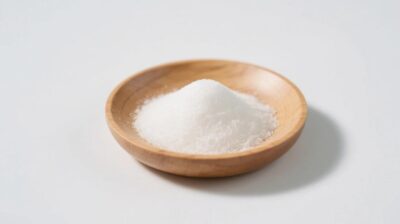
Organic Erythritol Powder
Organic erythritol powder is a certified-organic sugar alcohol produced by fermenting organic glucose, delivering…
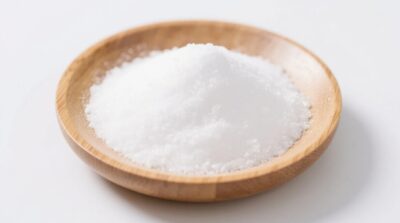
Organic Xylitol
Organic xylitol is a certified-organic sugar alcohol from non-GMO plant fiber. With about 40%…
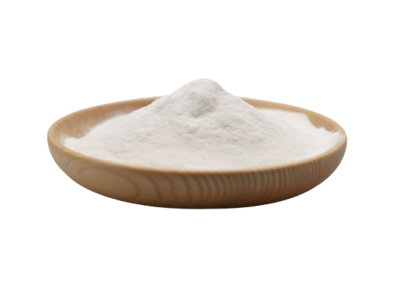
Stevia Extract Powder
Stevia extract powder is a high-intensity sweetener standardized to ≥95% Rebaudioside A. Zero-calorie and…
Related Posts


