
What Is Organic GOS (Galactooligosaccharides)?
Organic galactooligosaccharides, commonly abbreviated as GOS, are a class of functional prebiotic carbohydrates composed of short chains of galactose molecules linked together, typically ending with a terminal glucose unit. These oligosaccharides occur naturally in human breast milk at significant concentrations, where they serve as one of the primary nutritional factors supporting the development of a healthy infant gut microbiome. The organic designation indicates that the GOS is produced from certified organic raw materials — most commonly organic lactose sourced from grass-fed dairy operations — using enzymatic processes that meet organic certification standards.
GOS functions as a selective substrate for beneficial gut bacteria, particularly Bifidobacterium and Lactobacillus species. Unlike digestible carbohydrates, GOS resists breakdown by human digestive enzymes in the stomach and small intestine, arriving intact in the colon where it is fermented by resident microbiota. This fermentation produces short-chain fatty acids (SCFAs) such as butyrate, acetate, and propionate, which serve as energy sources for colonocytes and contribute to maintaining intestinal barrier integrity.
The prebiotic potency of GOS is well-documented in clinical literature. Studies have demonstrated that daily GOS supplementation can measurably increase populations of Bifidobacterium within as little as seven days, often outperforming other common prebiotic fibers such as fructooligosaccharides (FOS) in terms of bifidogenic selectivity.
Organic GOS holds GRAS (Generally Recognized as Safe) status from the U.S. Food and Drug Administration and is approved as a novel food ingredient in the European Union. These regulatory designations, combined with its well-characterized safety profile and broad application versatility, have established organic GOS as a preferred prebiotic ingredient across infant formula, functional foods, dietary supplements, and clinical nutrition products worldwide.
The Chemistry: How GOS Is Different from Other Oligosaccharides
Understanding how GOS differs from other oligosaccharides requires examining its molecular architecture. GOS molecules are characterized by a degree of polymerization (DP) typically ranging from 2 to 8 galactose units, with the predominant glycosidic linkages being beta-(1-4) and beta-(1-6) bonds. This structural configuration distinguishes GOS from other commercially significant oligosaccharides in several important ways.
Fructooligosaccharides (FOS) and inulin, two commonly used prebiotic fibers, are built from fructose units linked by beta-(2-1) bonds. While both FOS and inulin provide prebiotic benefits, their fermentation patterns differ from GOS. FOS and inulin tend to ferment more rapidly in the proximal colon, which can produce more gas and bloating in sensitive individuals. GOS, by contrast, ferments more gradually along the length of the colon, resulting in improved digestive tolerance — an important consideration for formulators targeting sensitive populations including infants, elderly consumers, and individuals with irritable bowel syndrome.
Another chemically distinct category is xylooligosaccharides (XOS), which are derived from xylan-rich plant materials such as corn cobs or sugarcane bagasse. XOS has a xylose backbone and demonstrates prebiotic effects at lower dosages than GOS, but lacks the structural similarity to human milk oligosaccharides (HMOs) that makes GOS uniquely valuable for infant nutrition applications.
The structural resemblance between GOS and HMOs is perhaps its most significant chemical distinction. Human milk contains over 200 structurally distinct oligosaccharides, the majority of which contain galactose as a core building block. Commercial GOS mixtures, while simpler in composition, replicate key structural motifs found in HMOs, particularly the galactose-based core and the beta-linked configuration. This biomimetic quality explains why GOS is the prebiotic of choice in organic infant formulas worldwide, where it serves as a functional stand-in for the HMOs naturally present in breast milk.
Physical Properties of GOS Powder
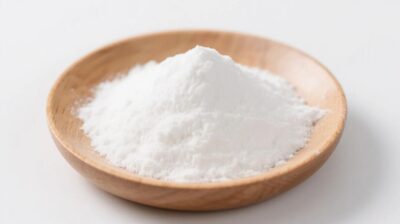
Organic GOS in commercial powder form presents as a white to light yellow, free-flowing powder with a mild, slightly sweet taste profile. Understanding its physical characteristics is essential for formulators considering GOS for different product applications.
Appearance and Organoleptic Properties
The color of high-quality organic GOS powder ranges from white to light yellow, with any deviation toward darker hues typically indicating either the use of non-organic raw materials or suboptimal processing conditions that promote Maillard browning reactions. The powder is free-flowing with minimal tendency toward caking when stored under recommended conditions (sealed, cool, and dry). Odor is neutral to faintly sweet, without the caramelized notes sometimes associated with heat-damaged carbohydrate ingredients.
Sweetness Profile
GOS powder delivers approximately 30% of the sweetness intensity of sucrose on a weight-for-weight basis. This moderate sweetness makes GOS a useful ingredient in reduced-sugar formulations, where it can contribute a subtle sweet background note without dominating the flavor profile. The sweetness character is clean and does not linger, which helps avoid the bitter or metallic aftertaste issues sometimes encountered with high-intensity sweeteners.
Solubility and Solution Behavior
Organic GOS powder demonstrates excellent cold-water solubility, dissolving at concentrations exceeding 70 grams per 100 milliliters of water at 25 degrees Celsius. Solutions are clear to slightly hazy and remain stable without precipitation over extended storage periods. This high solubility differentiates GOS from inulin, which has more limited solubility and can crystallize or precipitate in aqueous systems at higher concentrations. For beverage formulators, GOS offers the practical advantage of dissolving readily in both still and carbonated products without requiring pre-hydration or heat treatment.
Thermal and pH Stability
GOS maintains structural integrity under a wide range of processing conditions. The glycosidic bonds that link galactose units are stable at temperatures up to approximately 160 degrees Celsius, allowing GOS to survive baking, extrusion, UHT processing, and retort sterilization without meaningful loss of prebiotic activity. Similarly, GOS is stable across a broad pH range, from acidic conditions (pH 3.0) found in fruit juices and carbonated beverages to the near-neutral conditions of dairy products and plant-based milks. This robustness simplifies formulation work and eliminates the need for overage calculations to compensate for processing losses.
Hygroscopicity and Handling
GOS powder is moderately hygroscopic, meaning it will absorb moisture from ambient air if left exposed. Proper storage in sealed packaging with a food-grade polyethylene liner is recommended. Under controlled conditions with moisture content maintained at or below 5 percent, GOS powder has a shelf life of 24 months. At the industrial scale, GOS is typically available in 25-kilogram multi-layer paper bags, 10-kilogram bags, or flexible intermediate bulk containers ranging from 500 to 1,000 kilograms.
How Is GOS Produced?
The commercial production of organic GOS relies on a biocatalytic process known as enzymatic transgalactosylation, in which the enzyme beta-galactosidase is used to convert lactose into a mixture of galactooligosaccharides. This process is fundamentally different from chemical synthesis methods used for some other oligosaccharides and is central to maintaining organic integrity throughout production.
Raw Material: Organic Lactose
The production chain begins with certified organic lactose, typically derived from organic cow milk or, for plant-based versions, from microbially synthesized lactose alternatives produced through fermentation of organic plant-derived sugars. The organic certification of the lactose feedstock is the foundational requirement for the final GOS product to carry an organic label. Traceability documentation must demonstrate that the milk source meets organic standards regarding animal husbandry, feed, and land management practices, with no use of synthetic pesticides, antibiotics, or growth hormones.
Enzymatic Conversion
The core production step involves dissolving organic lactose in water at a high substrate concentration — typically 30 to 50 percent weight per volume — and introducing beta-galactosidase enzyme under controlled temperature and pH conditions. The enzyme performs two competing reactions simultaneously: hydrolysis, which cleaves lactose into glucose and galactose, and transgalactosylation, which transfers galactose units onto acceptor molecules including lactose and other sugars to build oligosaccharide chains.
Reaction conditions are carefully optimized to favor transgalactosylation over hydrolysis. Higher lactose concentrations, elevated temperatures (typically 40 to 60 degrees Celsius), and reduced water activity all shift the equilibrium toward GOS formation. The reaction is monitored until the desired GOS yield is achieved, at which point the enzyme is inactivated, usually through a brief heat treatment step.
Purification and Drying
The crude reaction mixture contains GOS at varying degrees of polymerization (DP 2 through DP 8), alongside residual lactose, glucose, and galactose. Purification steps — which may include membrane filtration, chromatographic separation, or selective precipitation — are employed to enrich the GOS fraction and reduce mono- and disaccharide content. For high-purity grades targeting 90 percent or higher GOS content on a dry basis, more intensive purification is required.
The purified GOS solution is then concentrated and spray-dried to produce the final powder form. Spray drying conditions are controlled to preserve the chemical structure of the GOS while achieving consistent particle size, bulk density, and moisture content. The finished powder is tested for GOS content using high-performance anion-exchange chromatography with pulsed amperometric detection (HPAEC-PAD), a method specified in ISO 19262 for quantitative oligosaccharide analysis.
Quality Control and Certification
Each production batch undergoes comprehensive quality testing covering GOS content (minimum 90 percent dry basis), moisture (maximum 5 percent), pH of a 10 percent aqueous solution, heavy metals (lead, arsenic, cadmium, and mercury at sub-parts-per-million levels), and microbiological parameters including total plate count, yeast and mold, and pathogen absence. Organic certification documentation is maintained for every batch, with full chain-of-custody records from raw material sourcing through finished product release.
Common Names and Aliases
GOS appears in ingredient lists, scientific literature, and commercial documentation under several related names. Understanding these naming conventions helps buyers confirm they are sourcing the correct ingredient and aids in interpreting technical specifications from different suppliers and regions.
| Name | Usage Context |
|---|---|
| Galactooligosaccharides (GOS) | The most widely used scientific and commercial name; appears on ingredient declarations and in regulatory filings worldwide |
| Galacto-oligosaccharides | Alternative hyphenated spelling common in European and UK English scientific literature; functionally identical to galactooligosaccharides |
| Oligogalactose | A shortened form sometimes used in ingredient branding and marketing materials; less common in regulatory contexts |
| Oligogalactosyllactose | A more chemically descriptive name that explicitly indicates the lactose-derived origin of the oligosaccharide chains |
| Trans-galactooligosaccharides (TOS) | Emphasizes the transgalactosylation production mechanism; frequently encountered in Japanese and some European technical literature |
| Beta-galactooligosaccharides | Specifies the beta configuration of the glycosidic linkages, distinguishing GOS from alpha-linked galactose oligomers |
In addition to these formal names, GOS products may carry brand-specific trade names from different manufacturers. When reviewing supplier documentation, buyers should verify that the ingredient declaration corresponds to galactooligosaccharides as defined by Codex Alimentarius Standard 290 and confirm that the analytical method used to quantify GOS content (typically HPAEC-PAD per ISO 19262) is consistent with regulatory requirements in the target market.
On product labels, GOS is declared as “galactooligosaccharides” or “galacto-oligosaccharides” in ingredient lists, often accompanied by a parenthetical note indicating the source (e.g., “from milk”) to address allergen labeling requirements. In markets where both dairy-derived and plant-based GOS are available, the naming convention combined with allergen declarations allows consumers and formulators to distinguish between the two sourcing options.
How to Choose the Right Organic GOS Powder
Selecting an organic GOS supplier involves evaluating several technical and commercial factors beyond the baseline specification. A systematic approach to supplier assessment helps ensure that the GOS powder you specify will perform consistently in your finished product while meeting regulatory, certification, and cost requirements.
GOS Content and Purity
The most critical specification parameter is total GOS content, measured on a dry basis. High-purity grades targeting 90 percent or above are preferred for most applications, as they maximize prebiotic efficacy per gram of ingredient and minimize the diluting effect of residual lactose, glucose, and galactose. When comparing supplier certificates of analysis, confirm that GOS content is quantified using HPAEC-PAD rather than less specific methods that may overstate oligosaccharide content by including disaccharides or other non-GOS carbohydrates.
Organic Certification Body
Not all organic certifications are equivalent in terms of market acceptance. USDA Organic certification is generally required for the U.S. market, while EU Organic certification (indicated by the Euro-leaf logo) is essential for products sold in European Union member states. Some markets, particularly in Asia, may additionally require country-specific organic certifications such as JAS (Japan) or the China Organic Product certification. Verify that the certifying body is accredited and that the scope of certification explicitly covers the GOS product you are purchasing.
Source Declaration: Dairy vs. Plant-Based
Organic GOS is available in two primary source categories: dairy-derived (from organic milk lactose, containing trace milk protein) and plant-based (from microbially synthesized substrates, free of animal-derived components). The dairy-derived version is the traditional and more widely available option, suitable for most food applications. The plant-based version serves vegan, dairy-free, and allergen-sensitive applications. Both versions carry organic certification when produced from certified organic inputs using compliant enzymatic processes.
Physical Specifications and Batch Consistency
Beyond GOS content, review additional specification parameters including moisture content (should be at or below 5 percent for stable shelf life), pH of a 10 percent solution (typically 5.5 to 7.0 for most commercial grades), bulk density, and particle size distribution. Consistency from batch to batch is as important as absolute values — a supplier with tight control over manufacturing parameters will deliver powder that behaves predictably in your production environment, whether that involves dry blending, solution preparation, or incorporation into baked goods.
Documentation and Technical Support
A qualified organic GOS supplier should provide a standard documentation package with each shipment: certificate of analysis, organic certificate (specifying dairy or plant origin), allergen statement, and safety data sheet. Additional documentation such as certificates of free sale, GMO-free statements, kosher and halal certifications, and vegan certification (for plant-based versions) may be required depending on the target market and application. Suppliers who can also offer formulation guidance, stability data in representative finished product matrices, and regulatory support documentation add meaningful value beyond the ingredient itself.
About Our Organic GOS
Our organic galactooligosaccharides powder is produced from certified organic lactose through controlled enzymatic transgalactosylation, delivering GOS content of 90 percent or higher on a dry basis. The powder offers consistent quality across applications including infant formula, functional beverages, dietary supplements, and baked goods, supported by full organic certification and comprehensive batch-level documentation.
Recommended Products

Galactooligosaccharides Powder
Galactooligosaccharides (GOS) is a prebiotic from lactose that selectively feeds bifidobacteria. Heat and acid…
Fructooligosaccharides
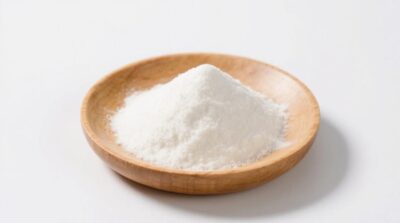
Fructooligosaccharides (FOS) is a prebiotic fiber at 95% purity from non-GMO sugarcane or chicory.…
Xylooligosaccharides
Xylooligosaccharides (XOS) is a prebiotic fiber from non-GMO corncob, effective at low dosage. Heat…


