
Consumers and product developers alike are moving away from refined sugar and toward plant-based, zero-calorie alternatives. Two of the most popular options on shelves today are organic stevia extract and organic monk fruit extract powder. Both deliver intense sweetness without the glycemic spike of sucrose—but they are far from interchangeable.
If you have ever stood in the supplement aisle wondering whether stevia or monk fruit is the smarter choice, or if you are a formulator weighing cost, flavor stability, and label appeal for a new beverage, this comparison is for you. Below, we break down taste, health evidence, market pricing, formulation considerations, and global trends so you can make a confident decision.
The Quick Answer: Stevia vs Monk Fruit at a Glance
| Attribute | Organic Stevia Extract | Organic Monk Fruit Extract |
|---|---|---|
| Source | Stevia rebaudiana leaves | Siraitia grosvenorii (luo han guo) fruit |
| Sweetness relative to sugar | 200–350x | 150–250x |
| Aftertaste | Mild licorice-like bitterness in some extracts | Cleaner, with a fruity finish |
| Glycemic index | Zero | Zero |
| Calories | Zero | Zero |
| GRAS status (US FDA) | Yes (certain rebaudiosides) | Yes |
| Typical cost per kg (bulk) | 25–60 | 80–200 |
| Best suited for | Cost-sensitive formulations, tabletop sweeteners | Premium beverages, keto/low-carb products |
Neither sweetener raises blood glucose. The real differences come down to flavor profile, price, and how each performs in finished products.
Taste Profile: Sweetness Intensity, Aftertaste, and Bitterness
Taste is the single largest factor driving consumer preference between these two ingredients.
Organic stevia extract owes its sweetness to compounds called steviol glycosides—primarily rebaudioside A (Reb A). At high purity ( Reb A 95%+), the licorice-like aftertaste that once turned consumers away has been largely minimized. However, at lower purities or when used at high concentrations, a lingering bitter note can still appear, especially in products with delicate flavor profiles such as teas or light-bodied sports drinks.
Organic monk fruit extract powder, on the other hand, contains mogrosides as its active sweetening compounds. Mogroside V is the most abundant and delivers a sweetness that many taste-panel studies describe as rounder and more “sugar-like” than stevia. The aftertaste is subtle, often described as mildly fruity, and tends to dissipate faster than stevia’s lingering notes.
In head-to-head sensory panels, monk fruit generally scores higher on overall flavor acceptability when used alone, while stevia often performs better in blended formulations where its bitterness is masked by complementary flavors—citrus, vanilla, or chocolate, for example.
For a deeper look at monk fruit’s flavor characteristics and origins, check out our complete guide to organic monk fruit powder.
Health Profile: Glycemic Impact, Safety Studies, and Who Should Use Which
Both stevia and monk fruit are zero-calorie, zero-glycemic-index sweeteners, making them suitable for people managing diabetes, following ketogenic diets, or simply reducing added sugar intake.
Stevia Safety Evidence
The Joint FAO/WHO Expert Committee on Food Additives (JECFA) established an acceptable daily intake (ADI) for steviol glycosides at 4 mg per kg of body weight—roughly equivalent to about 12 mg of high-purity Reb A per kg. Hundreds of toxicology studies support its safety at typical consumption levels. The European Food Safety Authority (EFSA) and the US FDA have both reaffirmed this position.
One point of note: some individuals report mild digestive discomfort at high doses of stevia, though this is uncommon at normal tabletop or formulation usage levels.
Monk Fruit Safety Evidence
Monk fruit has a long history of use in traditional Chinese medicine and has been consumed for centuries without documented adverse effects. The US FDA granted GRAS (Generally Recognized As Safe) status to monk fruit extract in 2010. JECFA has also evaluated mogrosides and found no safety concerns at typical intake levels.
Because monk fruit extract contains antioxidant mogrosides beyond just the sweetening compounds, some research has examined potential anti-inflammatory properties—though these findings are preliminary and should not be overstated.
Who Should Choose Which?
- Stevia is an excellent choice for budget-conscious consumers, everyday tabletop sweetening, and large-scale food manufacturing where cost efficiency matters.
- Monk fruit may be the better option for individuals sensitive to stevia’s aftertaste, those following strict ketogenic protocols who want maximum flavor clarity, and premium product lines where a cleaner taste justifies a higher ingredient cost.
If blood sugar management is your primary concern, our dedicated article on monk fruit and glucose response covers the science in detail.
Cost Comparison: Why Monk Fruit Is Typically More Expensive
The price gap between these two sweeteners is significant and largely structural.
Organic stevia extract is derived from a plant that grows readily in multiple climates—Brazil, Paraguay, China, Kenya, and even parts of the southern United States. The extraction process for high-purity Reb A is well established, and global supply has scaled considerably over the past decade, driving per-kilogram costs down.
Monk fruit, by contrast, is native to a narrow geographic band in southern China’s Guangxi province. The fruit is delicate, has a short harvest window, and yields relatively small amounts of mogrosides per kilogram of raw material. The extraction and purification process is more complex than stevia’s, adding further cost pressure. Limited cultivation outside Guangxi means supply cannot easily scale to meet surging demand.
For bulk buyers evaluating organic sweeteners, expect monk fruit to cost roughly two to five times more than stevia at equivalent sweetness levels. This differential narrows somewhat when comparing end-product usage (monk fruit’s cleaner taste may require less total sweetener), but the gap remains meaningful.
Those ready to source can explore our organic stevia extract and organic monk fruit extract powder pages for specifications, pricing tiers, and minimum order details.
Availability and Forms on the Market
Both sweeteners are available in multiple formats to suit different applications.
Stevia comes as pure extract powder, granulated blends (often mixed with erythritol or maltodextrin for easier volumetric measurement), liquid drops, and tablet form. Bulk buyers can source raw Reb A powder at various purity grades (60%, 80%, 95%, 97%, 99%).
Monk fruit is sold as pure extract powder, granulated blends (commonly with erythritol), liquid concentrates, and sometimes combined with stevia in proprietary blends that aim to balance cost with flavor quality.
For manufacturers, organic certification (USDA, EU, JAS) is available for both ingredients, though certified-organic monk fruit supply is tighter than certified-organic stevia.
Stevia vs Monk Fruit in Formulation: What B2B Buyers Need to Know
Choosing between these sweeteners is not only about ingredient cost. Formulators must consider solubility, thermal stability, pH sensitivity, and regulatory labeling.
Solubility and processing: Both stevia and monk fruit extracts dissolve readily in water. Monk fruit extract tends to have better heat stability at high temperatures, making it somewhat more forgiving in baked goods and pasteurized beverages. Stevia can lose some sweetness intensity at temperatures above 200°F (93°C) if held for extended periods.
Labeling: Under US regulations, both ingredients are labeled simply as “stevia extract” or “monk fruit extract”—no complex chemical names required. This is a meaningful advantage over artificial sweeteners like sucralose or aspartame, which carry less consumer-friendly label names.
Blending strategy: Many of the most successful reduced-sugar products on the market use both ingredients together. A stevia-monk fruit blend can leverage stevia’s lower cost while using monk fruit to smooth out the aftertaste. This approach has become especially common in zero-calorie beverages and protein powders.
Regulatory landscape: Both sweeteners are approved in the US, EU, Japan, Australia, and most major markets. China, as the dominant producer of both, has well-established export channels. Formulators should verify specific purity standards for their target market—Reb A 97% or higher is the standard for US food use, while some markets accept lower purities.
How They Compare to Other Natural Sweeteners
The natural sweetener space extends well beyond stevia and monk fruit. Here is how the leading alternatives stack up.
Erythritol: A sugar alcohol with roughly 70% the sweetness of sugar and near-zero calories. It lacks the intense sweetness of stevia or monk fruit, which is why it is commonly used as a bulking agent in blends. Erythritol provides mouthfeel and crystallization properties that pure high-intensity sweeteners cannot match on their own.
Allulose: A rare sugar found in small quantities in figs and raisins. Allulose has about 70% the sweetness of sugar but only about 0.4 calories per gram. It browns and crystallizes similarly to sucrose, making it valuable for baking applications. Cost remains high relative to erythritol.
Xylitol and other sugar alcohols: These offer bulk and a sugar-like mouthfeel, but they carry a caloric load (roughly 2.4 kcal/g for xylitol) and can cause digestive upset at higher doses. They are best suited for oral care products and sugar-free gum rather than clean-label foods.
The practical takeaway: stevia and monk fruit are high-intensity sweeteners that need bulking agents for most food applications. Pairing them with erythritol or allulose often produces the most sugar-like result.
Global Market Trends: Which Sweetener Is Growing Faster?
The global natural sweetener market has expanded substantially, driven by sugar-reduction mandates, rising diabetes prevalence, and clean-label consumer preferences.
Stevia holds the larger market share by volume, benefitting from over a decade of mainstream adoption. It is found in thousands of SKUs across beverages, dairy alternatives, confectionery, and tabletop products. However, growth has moderated as the market matures. Mintel estimates suggest the global stevia market will grow at a compound annual rate of roughly 5–7% through 2030.
Monk fruit is the faster-growing segment. Despite a smaller base, demand has surged—particularly in North America and parts of Europe—driven by keto and paleo diet communities, premium beverage brands, and consumers who perceive monk fruit as “cleaner” tasting. Some analysts project monk fruit market growth in the range of 8–12% annually through 2030.
The convergence of these trends is pushing more manufacturers toward blended sweetener systems that combine stevia’s cost efficiency with monk fruit’s flavor profile. Expect this blending approach to dominate new product development in the reduced-sugar space over the next several years.
How to Decide: A Framework for Consumers and Formulators
There is no single “best” sweetener—the right choice depends on priorities. Here is a practical decision framework.
For consumers:
| Priority | Recommendation |
|---|---|
| Lowest cost | Stevia extract (pure or blended) |
| Best taste with no aftertaste | Monk fruit extract |
| Keto or low-carb diet | Either works; monk fruit may be preferable for taste-sensitive applications |
| Blood sugar management | Either works; both have zero glycemic impact |
| Baking and cooking | A blend of stevia or monk fruit with erythritol/allulose |
For product formulators:
| Priority | Recommendation |
|---|---|
| Tight cost targets | Stevia, or a stevia-dominant blend |
| Premium positioning, clean taste | Monk fruit, or a monk-fruit-forward blend |
| Beverage formulation | Monk fruit has an edge for solubility and heat stability |
| Broad geographic distribution | Stevia has wider regulatory acceptance in emerging markets |
| Organic and clean-label claims | Both qualify; verify certification for your supply source |
Both organic stevia extract and organic monk fruit extract powder deliver genuine, science-backed sweetness without the health costs of refined sugar. The most effective approach for many applications—whether you are mixing a morning smoothie or developing a new product line—is to test both ingredients, evaluate taste and cost against your specific needs, and consider a blended formulation that draws on the strengths of each.
Recommended Products
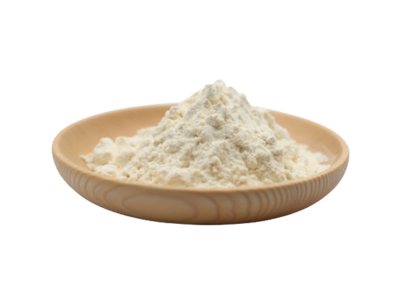
Monk Fruit Extract Powder
Monk fruit extract powder is a zero-calorie sweetener standardized to ≥50% total mogrosides (≥25%…


