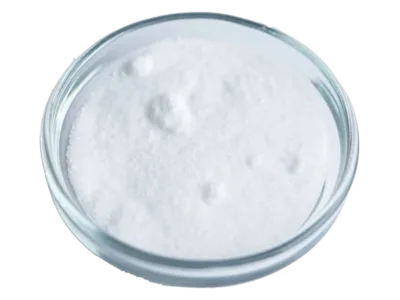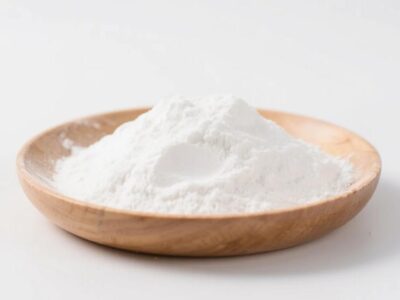
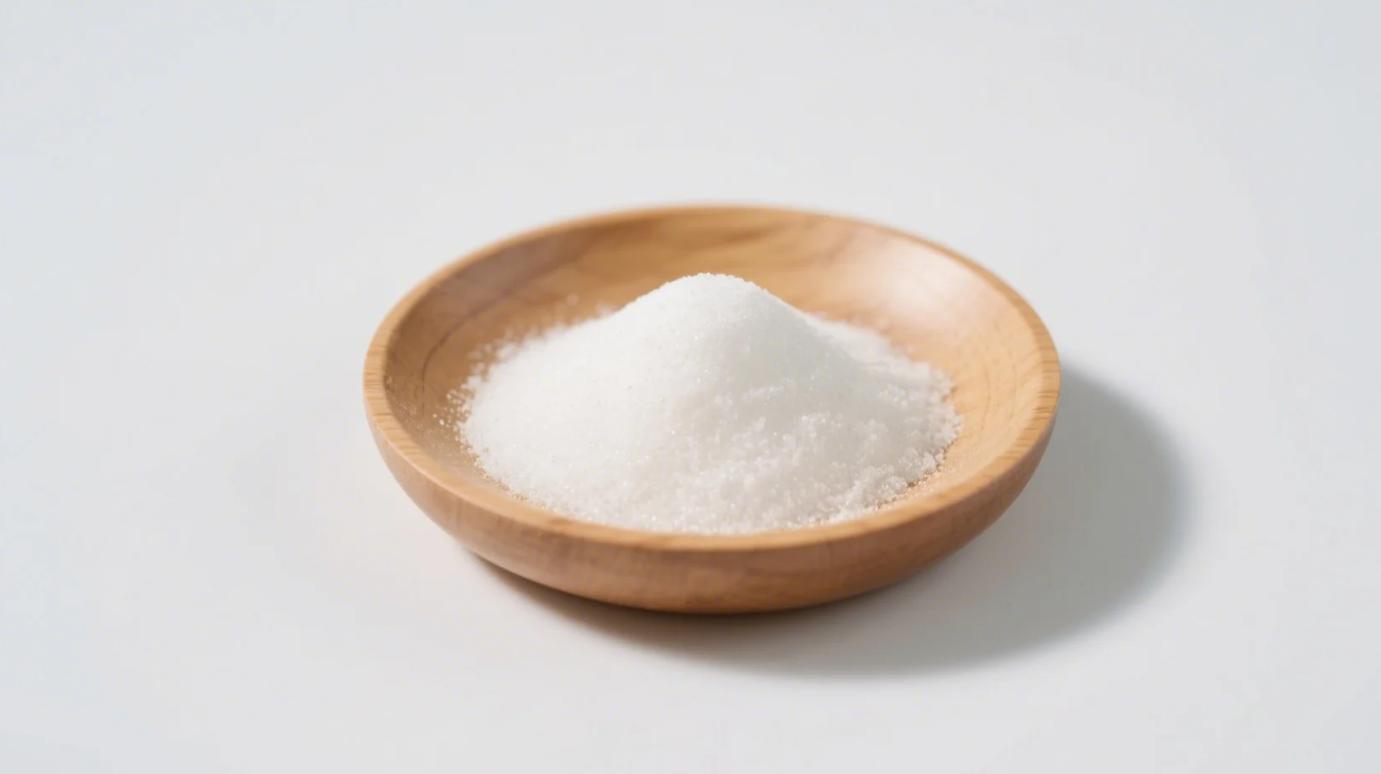
Our certified organic erythritol is a naturally occurring sugar alcohol produced through the fermentation of organic glucose derived from non-GMO corn or tapioca starch. With zero calories, zero glycemic impact (GI = 0), and tooth-friendly properties, it delivers clean sweetness without aftertaste—making it a leading choice for sugar-free, keto, low-glycemic, and clean-label formulations.
Unlike artificial sweeteners, organic erythritol is recognized as safe by global regulatory bodies and is fully compliant with USDA Organic, EU Organic, and “no added sugar” labeling standards.
What Is Organic Erythritol?
Erythritol is a four-carbon polyol found naturally in some fruits and fermented foods. Our organic erythritol is produced via a controlled fermentation process using food-grade yeast (Moniliella or Yarrowia strains) on certified organic glucose syrup, followed by purification, crystallization, and drying—without chemical synthesis, solvents, or synthetic additives.
It is approximately 60–70% as sweet as sucrose, highly soluble, and exhibits excellent heat and pH stability. Over 90% is absorbed in the small intestine and excreted unchanged in urine, minimizing digestive discomfort compared to other sugar alcohols.
Also Known As: Names and Synonyms in the Trade
Erythritol appears under several names in specifications, pharmacopoeial monographs and retail labelling, and the form a document uses often signals which grade or which regulatory route is meant. The list below covers the names that come up most often in enquiries, technical data sheets and customs paperwork.
- meso-Erythritol – the stereochemical name used in pharmacopoeial monographs and biochemical datasheets, marking the meso form that the commercial fermentation grade corresponds to
- Erythritol (E 968 / INS 968, CAS 149-32-6) – the regulatory name and identifier pair quoted on specifications and customs paperwork, pairing the EU E number with the Codex INS number and the CAS registry number
- (2R,3S)-Butane-1,2,3,4-tetrol – the systematic chemical name carried in JECFA-style monographs and on the specification sheet for this grade
- 1,2,3,4-Butanetetrol – the shortened chemical name that appears on older certificates of analysis and in CAS index entries
- Zerose – a trade name for fermentation-derived erythritol that is still found in supplier literature and formulation guides
The name on the label has to agree with the name on the specification sheet, and the specification has to state the assay method and the basis it is reported on. Two offers both called erythritol can differ in particle size, in moisture pick-up and in the glucose feedstock behind them, so line up the assay, the grind and the organic certificate before treating them as equivalent.
Technical Specifications
| Parameter | Organic Erythritol |
|---|---|
| Chemical Name | (2R,3S)-butane-1,2,3,4-tetrol |
| Molecular Formula | C₄H₁₀O₄ |
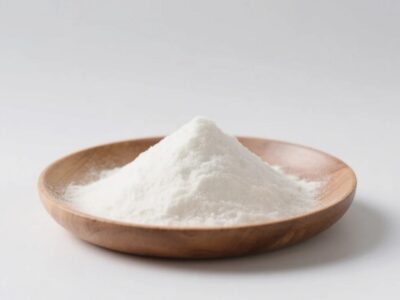
| Appearance | White, crystalline free-flowing powder or granules |
| Odor & Taste | Odorless; clean, sweet taste |
| Sweetness (vs. Sucrose) | 60–70% |
| Assay (Purity, dry basis) | ≥99.0% |
| Moisture Content | ≤0.2% |
| Residue on Ignition (Ash) | ≤0.1% |
| pH (10% solution) | 5.0 – 7.0 |
| Specific Rotation | –1° to +1° |
| Bulk Density | 0.60 – 0.80 g/mL |
| Solubility | ~50 g/100 mL at 20°C |
| Caloric Value | 0 kcal/g (US labeling); ~0.2–0.4 kcal/g (scientific value) |
| Glycemic Index (GI) | 0 |
| Shelf Life | 24 months (stored sealed in cool, dry conditions) |
| Heavy Metals (Maximum Limits) | |
| – Lead (Pb) | ≤0.1 mg/kg |
| – Arsenic (As) | ≤0.1 mg/kg |
| – Cadmium (Cd) | ≤0.05 mg/kg |
| – Mercury (Hg) | ≤0.01 mg/kg |
| Microbiological Criteria | |
| – Total Plate Count | ≤1,000 CFU/g |
| – Yeast & Mold | ≤100 CFU/g |
| – Escherichia coli | Absent in 10 g |
| – Salmonella spp. | Absent in 25 g |
| – Listeria monocytogenes | Absent in 25 g |
| Allergen Status | Gluten-Free (<5 ppm), Soy-Free, Dairy-Free, Nut-Free |
| Certifications | USDA Organic, EU Organic, Non-GMO Project Verified, Kosher, Halal (available), Gluten-Free Certified |
All testing performed per FCC, USP, ISO, and AOAC methods in ISO 17025-accredited laboratories. Complies with FDA GRAS (21 CFR 184.1275), EU Regulation (EC) No 1129/2011, and JECFA standards.
Sourcing, Certification and Regulatory Status
| Jurisdiction / Standard | Regulatory status | Legal name | Notes |
|---|---|---|---|
| European Union | Authorised sweetener and polyol (E 968) | Erythritol (E 968) | Listed in the Union list in Annex II to Regulation (EC) No 1333/2008, where it belongs to Group IV (polyols) and may be used as a sweetener in energy-reduced or no-added-sugar foods, and for other purposes elsewhere; purity criteria are laid down in Regulation (EU) No 231/2012. EFSA completed the re-evaluation of erythritol in 2023 (EFSA Journal 2023;21(11):8430), and foods carrying more than 10% added polyols fall under the laxative warning requirement of Regulation (EU) No 1169/2011. |
| United States | GRAS; FDA has no questions | Erythritol | FDA issued letters of no questions on GRAS notices GRN 76 (2001), GRN 208 (2006), GRN 382 (2011), GRN 401 (2011) and GRN 789 (2019); US labelling counts erythritol at 0.2 kcal/g, and it is one of the sugar alcohols named in 21 CFR 101.80(c)(2)(ii)(A), the provision that sets the conditions for a “does not promote tooth decay” claim. |
| Japan | Permitted food additive | Erythritol | Food additives in Japan are controlled under the Food Sanitation Act, which requires a substance to appear on the list of designated additives or on the List of Existing Food Additives; erythritol is used as a sweetener and bulking agent, and each import consignment passes through the MHLW quarantine-station notification. |
| Codex Alimentarius | Food additive; permitted in accordance with GMP | Erythritol (INS 968) | JECFA evaluated erythritol as a sweetener in 1999 and assigned an ADI “not specified”; the polyols sit in the General Standard for Food Additives (CXS 192-1995) with the Table 3 provisions that permit use in food in general, in accordance with good manufacturing practice. |
Compliance turns on the assay, the particle size and the microbiological limits rather than on the naming convention, so those are the figures to line up when comparing offers. Organic status is a separate question from additive approval and is carried by the organic certificate, not by the specification sheet. Confirm the legal name and the permitted category with the destination market before the first shipment.
Applications
- Sugar-Free Confectionery: Hard candies, chewing gum, chocolates (excellent crystallization control)
- Bakery: Provides bulk and browning in low-sugar cakes, cookies, and muffins
- Beverages: Stable sweetener for sparkling waters, iced teas, and ready-to-drink keto drinks
- Dairy Alternatives: Enhances mouthfeel in plant-based yogurts and ice creams
- Nutritional Supplements: Low-calorie filler in tablets, powders, and meal replacements
- Oral Care Products: Tooth-friendly ingredient in sugar-free gums and lozenges
Note: For optimal sweetness and texture, erythritol is often blended with high-potency natural sweeteners (e.g., stevia or monk fruit) to match sucrose profile.
Format and Grade Selection
Two questions are settled before a specification is agreed: which physical form, and which granulation. Both follow from the formulation rather than from the label.
- Fine powder – the route into beverages, sachets and tablet blends, where fast dissolution and a smooth mouthfeel matter most
- Granulated – the route into tabletop sweeteners and baked goods, where the crystal has to flow like sugar and survive bulk handling
- High-assay grade – chosen when the erythritol also carries the bulk and the dry-basis assay has to stay at 99.0% or above
- Organic-certified grade – required wherever the finished label carries an organic claim, and documented on the organic certificate rather than on the specification sheet
- Blend-ready grade – for formulations where erythritol is combined with stevia or monk fruit to rebuild a sucrose sweetness profile
Handling Note: Erythritol is 60–70% as sweet as sucrose and does not brown in the oven, so a 1:1 swap changes sweetness, colour and bulk at the same time; the grade and the blend ratio are usually fixed together.
Ask for the particle-size distribution, the bulk density and the organic certificate when requesting a sample, and we will quote the format and the grade that fit the process. The figures in the specification table above are the ones the certificate of analysis is written against.
Why Choose Our Organic Erythritol?
We source organic glucose from certified farms and use a closed-loop fermentation system that minimizes environmental impact. Our production avoids synthetic catalysts, bleaching agents, or anti-caking chemicals—ensuring a pure, natural product that meets the highest organic and food safety standards.
Every batch includes full documentation: Certificate of Analysis (CoA), Organic Certificate (specifying corn or tapioca origin), Allergen Statement, and Safety Data Sheet (SDS).
Available forms:
- Fine powder (for beverages and supplements)
- Granulated (for tabletop use and baking)
Packaging options:
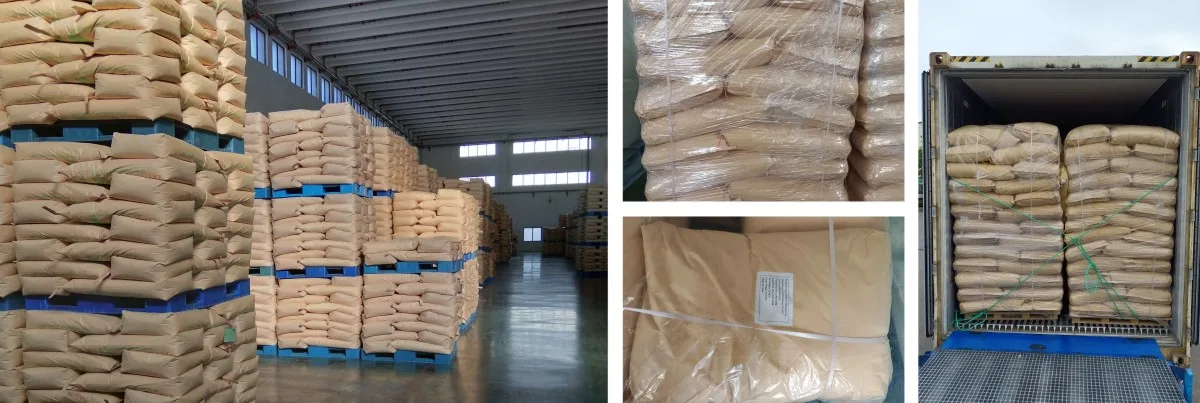
- 25 kg multi-wall paper bags with PE liner
- 500 kg–1,000 kg FIBCs (bulk)
- Custom packaging upon request
FAQs
Q: Is erythritol suitable for low-glycemic diets?
A: Yes! It has a glycemic index of 0 and does not raise blood sugar levels.
Q: Does erythritol cause digestive issues?
A: Erythritol is well-tolerated, with 90% absorbed before reaching the colon.
Q: Do you offer private labeling?
A: Yes! Custom branding available for all three formats.
Packing