
Consumers and food formulators alike are asking about organic xylitol safety. As demand for natural sugar alternatives rises, xylitol has emerged as one of the most studied sugar alcohols on the market. Extracted primarily from birch wood and corn cob, this five-carbon polyol offers sweetness comparable to sucrose with fewer calories and a minimal glycemic footprint. Yet its benefits come with questions about digestive tolerance, pet safety, and long-term use. This guide examines the evidence so you can make informed decisions for yourself, your family, or your product line.
The Organic Xylitol Safety Question
Xylitol is not new to science. Finnish researchers identified its dental benefits in the 1970s, and since then it has been the subject of hundreds of clinical trials and regulatory evaluations. Today it appears in chewing gums, toothpastes, sugar-free baked goods, and pharmaceuticals across more than 50 countries. Despite this widespread use, many consumers remain cautious because sugar alcohols are associated with digestive discomfort and because xylitol carries a well-known toxicity risk for dogs.
The regulatory backdrop supports xylitol’s general safety for human consumption. The FDA has granted xylitol GRAS status for use in foods, pharmaceuticals, and oral care products. EFSA has evaluated and approved xylitol as a Novel Food across the European Union. The Joint FAO/WHO Expert Committee on Food Additives has established an acceptable daily intake without numerical limitation.
Safety, however, is not a binary concept. Individual tolerance varies, dosage matters, and application context influences risk. A consumer using xylitol as a tabletop sweetener faces different exposure parameters than a diabetic managing blood sugar or a parent choosing oral care products for a child. Understanding these layers is essential to a proper evaluation of organic xylitol safety.
How Xylitol Protects Dental Health
The most robust benefit of xylitol is its positive impact on oral health. Unlike sucrose, which oral bacteria ferment into acids that erode enamel, xylitol is non-fermentable. This property means it cannot serve as a metabolic substrate for Streptococcus mutans, the primary bacterium responsible for dental caries. But xylitol goes further than simple neutrality — it actively inhibits bacterial growth.
When S. mutans attempts to metabolize xylitol, it imports the molecule but cannot process it through the glycolytic pathway. The bacterium expends energy trying to digest xylitol without gaining nutritional benefit. This futile cycle depletes the bacterium’s energy reserves and reduces its ability to colonize tooth surfaces and produce biofilm. Over time, habitual xylitol exposure can decrease the population of cariogenic bacteria in the oral cavity.
Clinical data supports these mechanisms. The Turku Sugar Studies found that participants who replaced dietary sucrose with xylitol experienced a substantial reduction in dental caries. Systematic reviews and meta-analyses confirm that xylitol chewing gum, when used regularly, reduces caries rates in children and adults. The American Academy of Pediatric Dentistry and the California Dental Association both recognize xylitol as a valuable adjunct to standard oral hygiene.
Xylitol also supports enamel remineralization. By stimulating saliva flow and maintaining a neutral environment in the mouth, xylitol helps deliver calcium and phosphate ions back to demineralized enamel, supporting the maintenance of tooth mineralization (an EFSA-authorized claim). For more on daily use strategies, see our complete guide to organic xylitol powder.
The evidence is dose-responsive. Most studies showing dental benefits use doses of 5 to 10 grams per day, divided across multiple exposures. Chewing xylitol gum for 5 minutes after meals provides strong salivary stimulation and helps inhibit bacterial activity. Toothpastes and mouthwashes containing xylitol extend this benefit to the brushing routine.
Glycemic and Metabolic Impact
For individuals managing blood sugar, the glycemic profile of xylitol is one of its most attractive features. Sucrose carries a glycemic index (GI) of approximately 65. Organic xylitol, by contrast, has a GI of only 7 to 12. This minimal glycemic response means xylitol consumption produces only a small, gradual increase in blood glucose and corresponding insulin secretion.
This property makes xylitol particularly suitable for people with diabetes or insulin resistance. The American Diabetes Association includes sugar alcohols like xylitol among acceptable sugar substitutes in meal planning. Because xylitol is absorbed slowly in the small intestine and partially metabolized independently of insulin, it does not trigger the glucose spikes associated with refined sugar consumption.
The metabolic pathway is straightforward. Roughly half of ingested xylitol is absorbed in the small intestine and converted to glucose via the liver, though this conversion is slow and incomplete. The remaining unabsorbed xylitol passes to the colon, where it is fermented by gut microbiota into short-chain fatty acids. This fermentation contributes to the caloric value but does not generate the same metabolic stress as sucrose.
Xylitol’s caloric value is 2.4 kilocalories per gram, compared to 4.0 kcal/g for sucrose. This represents approximately 40% fewer calories, making xylitol a practical choice for weight management and calorie-reduced diets. For a sweetener aligned with diabetic dietary needs, our article on why organic xylitol powder is the sweetener of choice for diabetics explores quality considerations.
Research has also examined xylitol’s effects on lipid metabolism. Some studies suggest that xylitol may modestly improve triglyceride profiles and reduce visceral fat accumulation in animal models, though human data remains limited. These findings hint at metabolic benefits beyond glycemic control, possibly involving xylitol’s effects on gut microbiota and intestinal hormone signaling.
Digestive Tolerance and Side Effects
No discussion of organic xylitol safety is complete without addressing digestive tolerance. Like most sugar alcohols, xylitol can cause gastrointestinal symptoms when consumed in large amounts. The side effects are dose-dependent and generally mild.
The mechanism of digestive discomfort is osmotic. Unabsorbed xylitol in the intestinal lumen draws water into the bowel, increasing stool volume and potentially causing diarrhea. Colonic fermentation of remaining xylitol produces gas, which can lead to bloating, flatulence, and cramping. These effects occur with sorbitol, mannitol, maltitol, and erythritol to varying degrees.
Individual tolerance varies widely. Some people consume 30 grams or more of xylitol daily without symptoms, while others experience mild laxation at 10 grams. A conservative starting point is 5 to 10 grams per day, divided into multiple servings, with gradual increases as tolerance develops. The body can adapt to xylitol over time, with regular consumers often reporting improved tolerance after several weeks of use.
Comparatively, xylitol sits in the middle of the sugar alcohol tolerance spectrum. Erythritol is generally better tolerated because most of it is absorbed in the small intestine and excreted unchanged in urine. Sorbitol and maltitol tend to produce more pronounced laxative effects at equivalent doses. This hierarchy is important for formulators choosing between polyol sweeteners. Our analysis of whether xylitol destroys gut bacteria addresses microbiome concerns directly.
Children and individuals with irritable bowel syndrome (IBS) may be more sensitive to sugar alcohols. Parents introducing xylitol to children should start with small amounts and monitor for symptoms. For IBS patients, xylitol is classified as a polyol under the FODMAP framework and may trigger symptoms during restriction phases. However, many people with IBS can reintroduce xylitol during the challenge phase of the low-FODMAP diet.
It is worth noting that xylitol’s laxative effect is sometimes exploited therapeutically. In some countries, xylitol is used as an osmotic laxative for constipation, particularly in pediatric populations, which underscores the importance of mindful consumption.
Pet Safety Warning
The most serious safety concern surrounding xylitol has nothing to do with human health. Xylitol is highly toxic to dogs, and this risk demands attention from every consumer and formulator handling the ingredient.
When dogs ingest xylitol, it triggers a rapid release of insulin from the pancreas. Unlike in humans, xylitol does not cause a corresponding rise in blood glucose in dogs. The insulin surge drives blood sugar low, leading to hypoglycemia within 30 to 60 minutes. Symptoms include vomiting, weakness, staggering, seizures, and loss of consciousness. If left untreated, severe hypoglycemia can be fatal.
At higher doses, xylitol can also cause acute hepatic necrosis — destruction of liver tissue — which may develop 12 to 72 hours after ingestion. This delayed liver failure can occur even after the initial hypoglycemic episode has been managed, making xylitol poisoning particularly dangerous.
The toxic dose is surprisingly low. Dogs may experience hypoglycemia after ingesting as little as 50 milligrams of xylitol per kilogram of body weight. A single piece of sugar-free gum containing xylitol can poison a small dog. For a 10-kilogram dog, just 1 gram of xylitol poses a serious risk.
Consumers should store xylitol-containing products out of reach of pets. This includes tabletop sweeteners, baked goods, chewing gum, toothpaste, and supplements. Formulators should ensure clear labeling on products containing xylitol, warning that the product is not safe for canine consumption. If a dog ingests xylitol, immediate veterinary attention is critical. There is no antidote, but aggressive supportive care including intravenous glucose and liver-protective medications can improve outcomes.
Cats and other household pets do not appear to share the same sensitivity to xylitol, though data is limited. The primary concern remains canine exposure, and vigilance is the best defense against accidental poisoning.
Regulatory Status and Quality Standards
Xylitol’s safety for human consumption is supported by a comprehensive regulatory framework that spans multiple jurisdictions and quality standards.
In the United States, the FDA has affirmed xylitol as GRAS for use in foods, dietary supplements, and oral care products. This designation means qualified experts have evaluated the scientific evidence and determined xylitol to be safe under intended conditions of use. The FDA has also established specifications for xylitol purity under the Food Chemicals Codex (FCC).
In the European Union, xylitol is approved as a Novel Food under Regulation (EC) No 258/97 and listed as a food additive (E 967) with defined purity criteria. EFSA has conducted safety evaluations and concluded that xylitol poses no safety concerns at typical dietary intakes, and has authorized the dental health claim that consumption of foods and drinks containing xylitol instead of sugar contributes to the maintenance of tooth mineralization (Regulation (EU) No 432/2012).
The Joint FAO/WHO Expert Committee on Food Additives (JECFA) has evaluated xylitol and allocated an acceptable daily intake (ADI) of “not specified,” meaning no numerical limit is considered necessary. This is the most favorable ADI classification a food additive can receive.
Beyond regulatory approvals, quality standards govern the physical and chemical properties of commercial xylitol. USP and FCC standards specify minimum purity, moisture content, melting point, and heavy metal limits. These ensure that xylitol used in food and pharmaceutical applications meets consistent safety and performance criteria.
For organic xylitol specifically, certification adds another layer of assurance. Organic certification requires that source materials — typically birch bark or corn — be grown without synthetic pesticides, genetically modified organisms, or prohibited fertilizers. The extraction and purification process must also comply with organic handling standards. Consumers seeking the highest quality should look for products bearing recognized organic certification marks alongside FCC or USP grade designations. Our article on organic xylitol sourcing and quality details the supply chain factors that matter most.
How Xylitol Compares to Other Sugar Alcohols
Understanding xylitol’s position relative to other sugar alcohols helps consumers and formulators choose the right sweetener. The following comparison summarizes key properties across the most common polyols.
| Property | Xylitol | Erythritol | Sorbitol | Maltitol | Mannitol |
|---|---|---|---|---|---|
| Glycemic Index | 7–13 | 0 | 9 | 35–52 | 0–2 |
| Calories per gram | 2.4 | 0.2–0.4 | 2.6 | 2.1–3.0 | 1.6 |
| Relative sweetness to sucrose | 100% | 70% | 60% | 75% | 50% |
| Dental benefit | Strong | Moderate | Weak | Weak | Weak |
| Digestive tolerance | Moderate | High | Low | Low | Moderate |
| Cooling effect | High | Very high | Moderate | Low | Moderate-high |
| Common sources | Birch, corn | Fermented glucose | Glucose | Maltose | Mannose |
Xylitol distinguishes itself with its combination of full sweetness equivalence to sucrose, strong dental benefits, and moderate glycemic impact. Erythritol offers better digestive tolerance and lower calorie content but lacks xylitol’s antimicrobial potency and provides only 70% of sucrose’s sweetness. Sorbitol and maltitol are less suitable for dental health applications because oral bacteria can ferment them to some degree, and they carry higher glycemic loads. Mannitol’s low sweetness limits its use in most food applications.
For formulators, xylitol’s high cooling effect and crystalline structure make it ideal for chewing gums, mints, and confectionery. Its humectant properties help retain moisture in baked goods, though it does not participate in Maillard browning reactions the way sucrose does. Product developers may find our discussion of xylitol in industrial applications useful for navigating technical considerations.
Consumers primarily interested in everyday cooking and baking can explore guidance in our article on using organic xylitol powder in baking. For those weighing competitive sweetener options, our market comparison of xylitol versus alternatives provides additional context on performance and safety trade-offs.
About Our Organic Xylitol
At BIOSTARCH, we produce organic xylitol powder that meets the highest standards of purity, safety, and sustainability. Our manufacturing process begins with certified organic raw materials — primarily birch bark and non-GMO corn sourced from audited growers. We use a proprietary water-based extraction and purification process that preserves the natural integrity of the xylitol while eliminating contaminants, heavy metals, and residual solvents.
Every batch is tested for FCC and USP compliance, with certificates of analysis available upon request. Our organic certification is verified by accredited third-party auditors, ensuring full traceability from farm to finished product. We maintain strict quality control protocols including microbiological testing, moisture analysis, and particle size characterization.
Our organic xylitol powder is suitable for a wide range of applications: tabletop sweetening, sugar-free baking, oral care products, pharmaceuticals, and functional beverages. With a glycemic index of 7 to 12, 2.4 kcal/g, and proven dental health benefits, it offers a versatile, evidence-backed alternative to sugar.
We invite you to explore our organic xylitol product page for specifications, packaging options, and ordering information. Whether you are developing a new sugar-free product line or seeking a healthier sweetener for your household, our team is available to provide technical support, formulation guidance, and regulatory documentation.
Organic xylitol health safety is not merely a question of regulatory compliance — it is a commitment to transparency, rigorous testing, and responsible sourcing. BIOSTARCH stands behind every kilogram we produce, ensuring the sweetener you use is as safe as it is effective.
Recommended Products
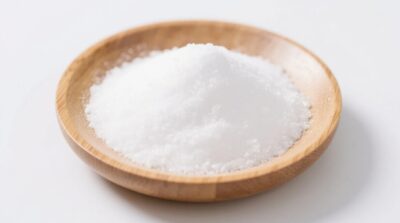
Organic Xylitol
Organic xylitol is a certified-organic sugar alcohol from non-GMO plant fiber. With about 40%…


